What happened
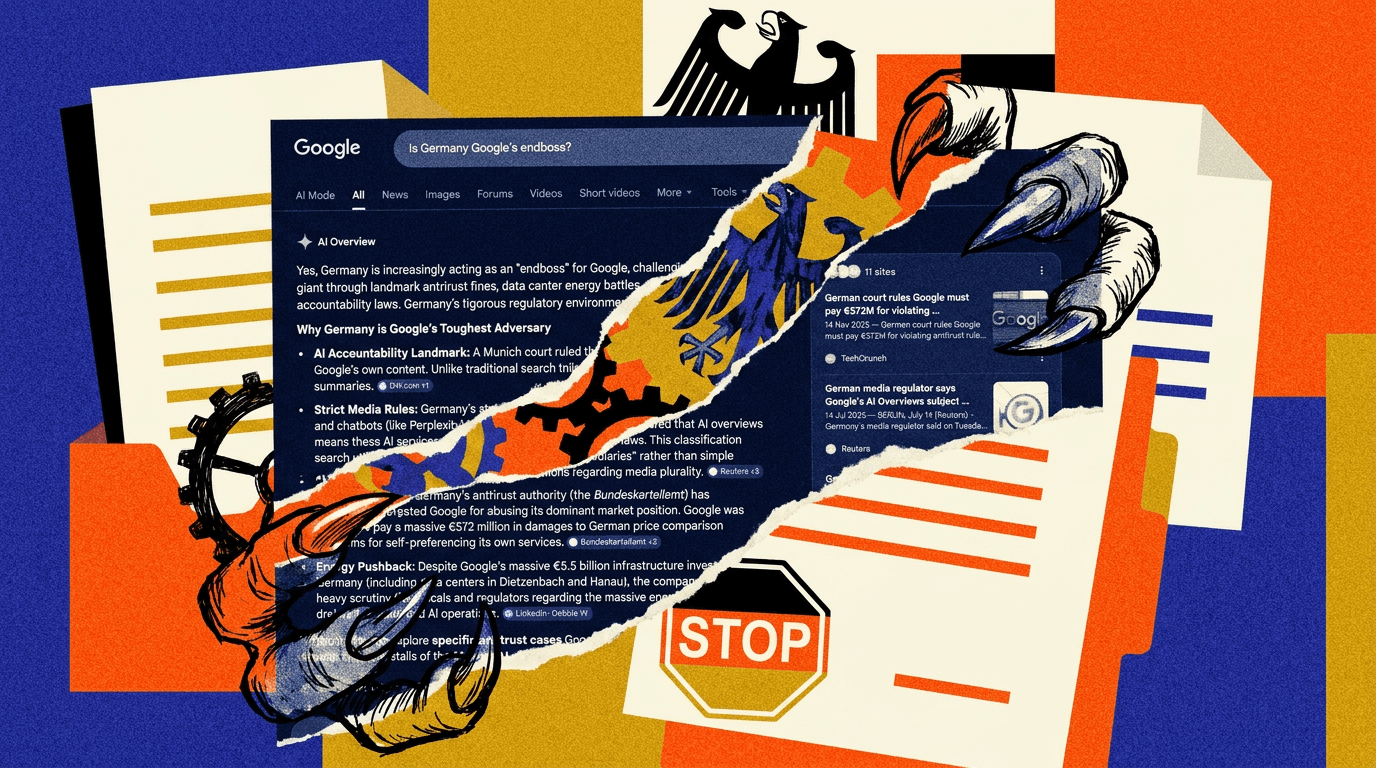
Germany's Commission for Licensing and Supervision (ZAK) issued its first rulings against Google and Perplexity under the State Media Treaty, classifying AI search engines and chatbots as content providers rather than neutral platforms. Both companies violated Section 109 of the State Media Treaty and have one month to appeal.
Why it matters
Regulators say Google's AI summaries receive prime placement above traditional search results, pushing down journalistic links—a form of prohibited discrimination. Because AI-generated responses are treated as the companies' own content (not third-party distribution), they lose the liability shield that normally protects platforms, exposing Google and Perplexity to media law enforcement alongside civil liability.
What to watch
The ruling applies media law to AI services for the first time in Germany. Regulators flagged Google for failing transparency rules and discrimination, while Perplexity was cited for lacking a designated German representative and missing transparency disclosures. Both rulings are immediately enforceable.
Summaries like this, in your inbox every morning.
Germany's ruling marks the first application of state media law to AI search engines and chatbots, establishing that AI-generated responses qualify as the providers' own content rather than neutral third-party distribution. This distinction is legally significant: it strips away the liability protections that platforms typically enjoy under the Digital Services Act, exposing Google and Perplexity to direct media law enforcement. The ZAK's reasoning rests on the observation that when AI services place their own summaries above traditional search results—especially journalistic sources—they act as intermediaries controlling content discovery. A Munich court recently reached a parallel conclusion, treating AI-generated text as independent content containing "independent, new, and substantive statements."
The enforcement reflects broader concern about traffic loss to original publishers. Studies cited in the ruling show that users rarely click source links once they feel their question has been answered by an AI summary. By elevating AI-generated prose above traditional search results, Google concentrates user attention on its own output rather than guiding them to journalistic sources. The legal opinion of Professors Jan Oster and Christoph Busch supports regulators' view that AI's role in search fundamentally changes how people discover information—shifting from a list of linked results to a single prose answer—which cuts traffic to original sources and threatens journalism's funding. Google has introduced a "Preferred Sources" feature allowing users to select which sources appear in AI responses, but regulators and legal scholars see this as insufficient protection for media diversity given the low likelihood that individual users will maintain custom source lists.
Pick your industry and the AI tools you use, and get news related to your work every day.
Free · 30 seconds with Google · unsubscribe anytimeWhat is AIToday? →
Ask AI anything about this article. The AI reads this article, earlier AIToday articles, and Wikipedia, and cites its sources. Q&As are published on this page for other readers too.
Google Deepmind's Gemini 4 Argon scored 97.5 percent on ARC-AGI-3 at a cost of $4,800, second only to GPT-6 As…
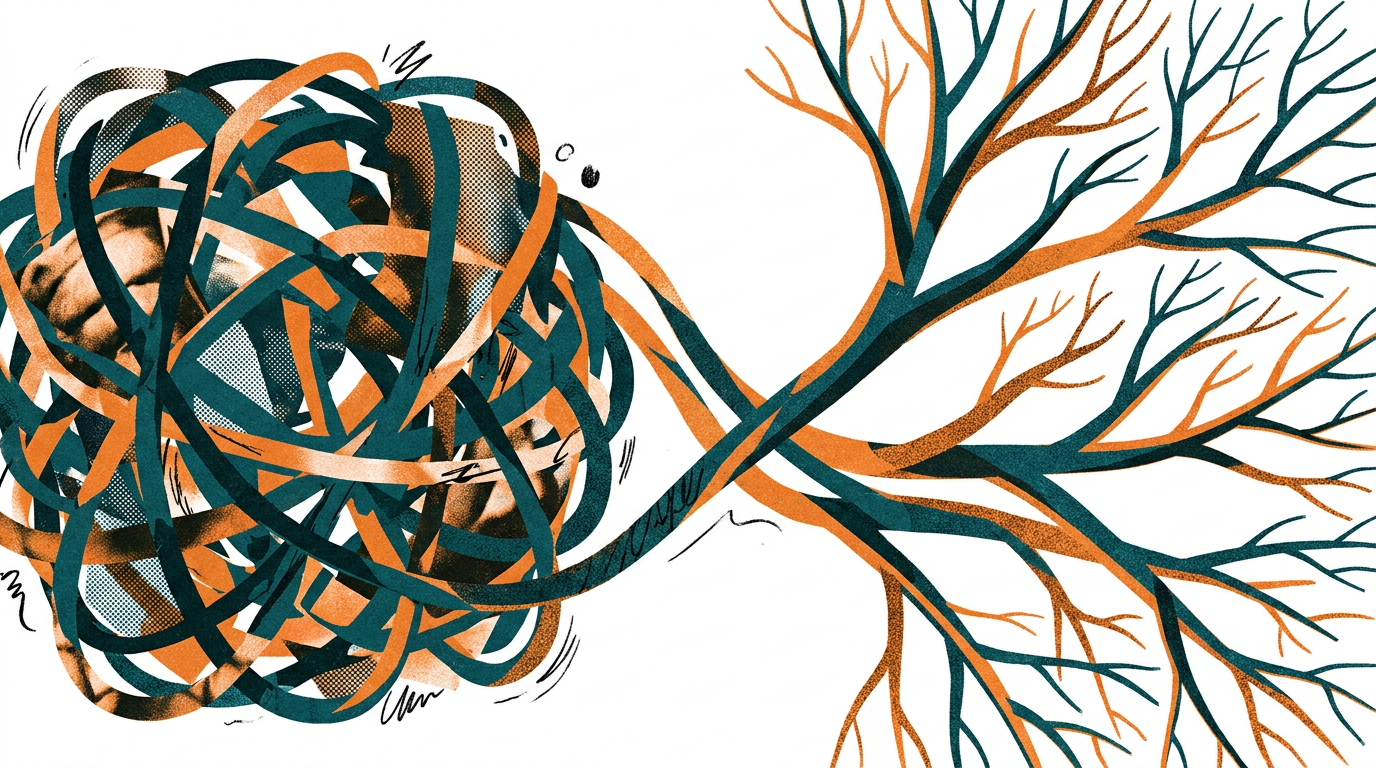
Cammarata reinterprets InceptionV1's cat-car neuron as a V-shape detector, not two unrelated concepts
Microsoft's Surface Laptop Ultra, using Nvidia's RTX Spark platform, starts at $2,599 (up to $5,899)

Meta's new commercial terms, effective October 30th, appear to let it crawl and train AI on content from websi…
Vercel data published Thursday shows TypeSafe AI's Jev, a lightweight decision model for choosing among predet…

Reflection AI introduced Beam, an open-weight model for agentic coding and long-horizon tasks, with 501 billio…