Microsoft and Alphabet both posted strong quarterly earnings driven by cloud and AI services, but they face different risks as AI capital spending mounts. Microsoft reported $90.01 billion in revenue with Azure at $100 billion annual revenue and 30 million paid Copilot seats, while Alphabet hit $119.80 billion with Google Cloud surging 82%.
The critical difference: Microsoft is funding its buildout from cash flow and has a $678B contracted backlog, whereas Alphabet is burning cash (negative $5.86 billion free cash flow in Q2) and raised $70 billion in debt and equity to sustain spending of $44.92 billion per quarter.
If AI monetization disappoints, Microsoft's balance sheet offers more cushion to weather a slowdown.
What happened
Microsoft reported $90.01 billion in fiscal Q4 revenue (up 17.75% YoY) with Azure crossing $100 billion annual revenue at 41% growth; Alphabet posted $119.80 billion in Q2 revenue (up 24.23%) with Google Cloud at $24.77 billion (up 82%). Microsoft has 30 million paid Microsoft 365 Copilot seats with net seat adds more than doubling quarter over quarter.
Why it matters
Both companies are investing heavily in AI infrastructure—Alphabet's CapEx hit $44.92 billion in a single quarter and pushed free cash flow to negative $5.86 billion, while Microsoft guided FY CapEx at $115.95B—but their ability to absorb a slowdown differs sharply. Microsoft funded its buildout from operations with operating cash flow growing 34.4%, whereas Alphabet raised roughly $70 billion in combined equity and debt, with long-term debt jumping from $46.5B to $98.2B. If AI monetization slips, Microsoft's cash generation and contracted Azure backlog of $678B RPO (+84%) provide more protection.
What to watch
Copilot's conversion of 30 million seats into consumption revenue fast enough to justify Microsoft's plan to roughly double overall capacity in two years, and whether Alphabet's Cloud growth stays near 80% while Search absorbs generative AI disruption. Alphabet's hedge is proprietary TPU silicon, which offers lower unit-cost economics compared to peers relying purely on third-party GPUs.
Ask the AI about this article →
Both Microsoft and Alphabet are betting heavily on AI infrastructure, but their funding models reveal fundamentally different risk profiles. Microsoft is generating sufficient operating cash flow—up 34.4%—to sustain its buildout, while simultaneously accumulating a $678 billion contracted backlog (RPO, or remaining performance obligation) in Azure. This means much of its future revenue is already locked in, reducing execution risk. Alphabet, by contrast, is in a cash-burn phase despite its impressive revenue growth, with Q2 free cash flow turning negative at $5.86 billion and quarterly CapEx alone reaching $44.92 billion. To finance this, Alphabet raised roughly $70 billion in combined equity and debt in the quarter, and long-term debt more than doubled from $46.5B to $98.2B.
The question both companies face is identical: whether the AI investments will monetize before the market loses confidence in CapEx spending. For Microsoft, this hinges on Copilot's ability to convert 30 million paid seats into consumption revenue fast enough to justify doubling capacity in two years. For Alphabet, the path is more complex—Google Cloud must sustain growth near 82% while Search, which still represents the bulk of profitability, absorbs potential disruption from generative AI. Alphabet does have a hedging advantage: its proprietary TPU stack gives it lower unit-cost silicon economics than peers relying solely on third-party GPUs, which could provide insulation if GPU pricing spikes. However, this advantage assumes the investment pays back on schedule and that Cloud continues to scale.
For example, today's edition would include:
AI-summarized, only the topics you pick — one digest a day via Email, Slack, or Discord.
Free · takes 30 seconds · unsubscribe anytimeWhat is AIToday? →
Ask AI anything about this article. Q&As are published on this page for other readers too.
Visko raised $10 million in pre-seed funding from Llama Ventures and opened public access to its first foundat…

U.S. markets ended August higher, with the S&P 500 up 2.6% and the Nasdaq up 3.9%

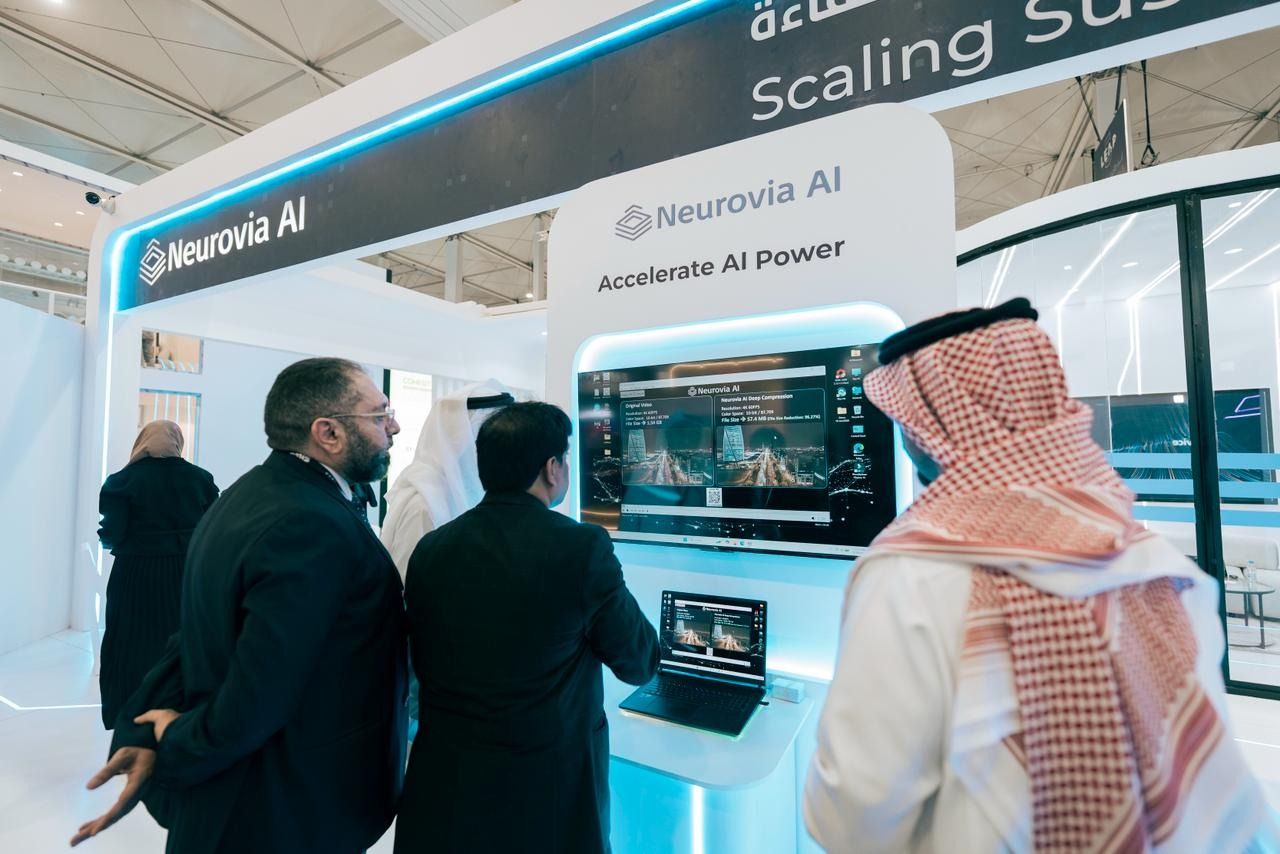
Neurovia AI, an Abu Dhabi-based company, is pitching Saudi security agencies software that it says can compres…
AI company Runway has unveiled Solaris, the first model in a new category it calls "Interface World Models." I…

John Deere introduced JD, a conversational AI tool that lets farmers ask open-ended questions about their hist…
Nvidia CEO Jensen Huang said on Fox Business that AI is creating 'hundreds of thousands' of jobs, including in…