Google's SynthID watermarking system successfully debunked a viral hoax image of Senator Mitch McConnell in a hospital bed this week, when fact-checkers detected the invisible signature embedded by the AI tool that created it. The watermark survives screenshotting and cross-platform sharing, offering a concrete method to authenticate AI-generated images in real-world misinformation scenarios.
Summaries like this, in your inbox every morning.
Sign up free →What happened
A fake image of Senator Mitch McConnell in a hospital bed circulated on Reddit and X this week. Fact-checking site Snopes identified it as AI-generated by detecting Google's SynthID watermark — an invisible signature embedded in images created by participating AI tools.
Why it matters
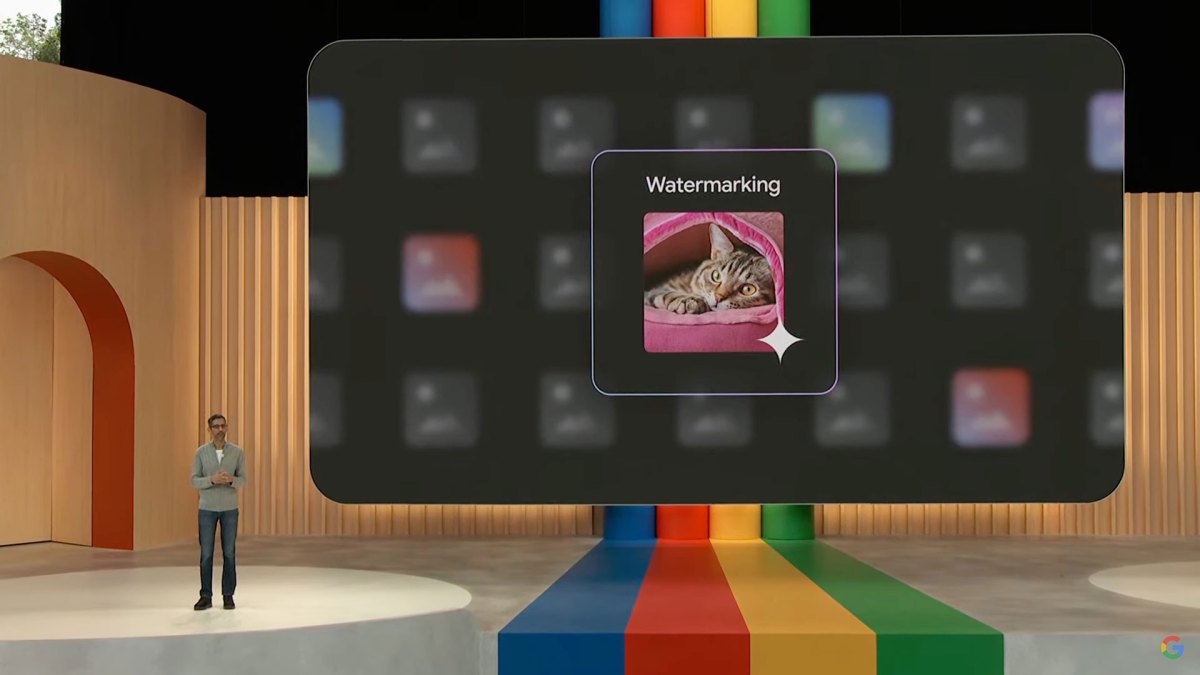
SynthID, launched at Google's I/O conference in 2025, represents a working defense against AI-generated hoaxes that can spread rapidly and fuel misinformation during sensitive moments. The watermark persists even when images are screencaptured and shared across platforms, making it harder for deepfakes to evade detection.
What to watch
SynthID only works when image-generation tools participate in the program. Gemini has included it since 2025, and OpenAI joined in May 2026. Anthropic does not participate. Users can verify images by asking a Gemini model or uploading them to OpenAI's public image verification tool.
SynthID emerged from Google's 2025 I/O developer conference as an invisible signature designed to mark AI-generated images in a way that persists through common sharing and transformation workflows. The McConnell hoax case illustrates both the system's utility and its scope limitation: it worked because the image was created by a participating tool (one that includes the watermark), but the system can only authenticate images from platforms that have voluntarily adopted it. This means SynthID's effectiveness depends on industry participation — a coordination challenge the article hints at through Anthropic's non-participation.
The timing is noteworthy. Senator McConnell's health has been the subject of public speculation since his emergency hospitalization on June 14, creating an environment where credible-looking but false imagery could easily spread and amplify concern. The fact that Snopes could definitively debunk the image using SynthID suggests that watermarking, even when invisible to casual observers, can serve as a rapid verification method for fact-checkers and media. However, the article does not claim that SynthID solves the deepfake problem broadly — it only works within the set of tools that implement it, and only for images generated after the watermark was introduced.
No discussion yet for this article
Get curated AI news from 200+ sources delivered daily to your inbox. Free to use.
Get Started FreeFree · takes 30 seconds · unsubscribe anytime
1 minute a day. The AI essentials.
200+ sources · Email / LINE / Slack
