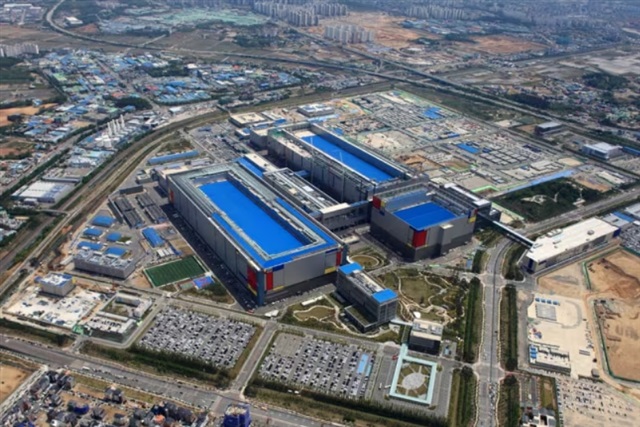
South Korea is accelerating plans to deliver electricity to a new semiconductor cluster in its southwest region by 2030. The initiative responds to surging power demand from chip manufacturing facilities and AI data centers, positioning the country to secure competitive advantages in semiconductor production while potentially growing its energy-storage sector.
Summaries like this, in your inbox every morning.
Sign up free →What happened
South Korea is accelerating plans to supply electricity to a new semiconductor cluster in the country's southwest by 2030, driven by growing power demand from chip factories and AI data centers.
Why it matters
The move reflects the rising energy requirements of semiconductor manufacturing and AI infrastructure; securing dedicated power supply is critical for competing in high-stakes chip production and attracting data center investment to the region.
What to watch
Completion of the power supply infrastructure by 2030; the project may also expand South Korea's domestic energy-storage market as fabs and data centers increase electricity demand.
South Korea is accelerating its plans to deliver electricity to a new semiconductor cluster located in the country's southwest region, with a target completion date of 2030. The effort is driven by mounting power demand from chip manufacturing facilities and artificial intelligence data centers, which consume massive amounts of electricity during both manufacturing and operation. By securing dedicated power infrastructure ahead of demand, South Korea aims to make the region an attractive location for semiconductor fabs and data center operators competing for reliable energy supply. The project may also have a secondary effect: it could expand South Korea's domestic energy-storage market, as manufacturers and data center operators seek battery systems and other storage technologies to manage peak loads and ensure continuity during grid stress. This combination of infrastructure investment and market opportunity reflects the country's strategy to remain competitive in high-value semiconductor and AI sectors while developing new revenue streams in adjacent technology markets.
South Korea's acceleration of power infrastructure for a new semiconductor cluster underscores the country's strategy to maintain and expand its position in global chip manufacturing. The project addresses a concrete constraint: semiconductor fabs and AI data centers are among the most power-intensive industrial operations, and reliable, dedicated electricity supply is essential for competing in advanced chipmaking and attracting high-value data center tenants. By committing to a 2030 deadline, South Korea signals both urgency and long-term commitment to the region, positioning it as a viable location for companies seeking stable energy for compute-intensive workloads. The energy-storage dimension suggests the country may also be hedging against grid volatility or peak-demand spikes, turning a manufacturing necessity into a potential growth market for domestic battery and storage technology.
No discussion yet for this article
Get curated AI news from 200+ sources delivered daily to your inbox. Free to use.
Get Started FreeFree · takes 30 seconds · unsubscribe anytime
1 minute a day. The AI essentials.
200+ sources · Email / LINE / Slack
