What happened
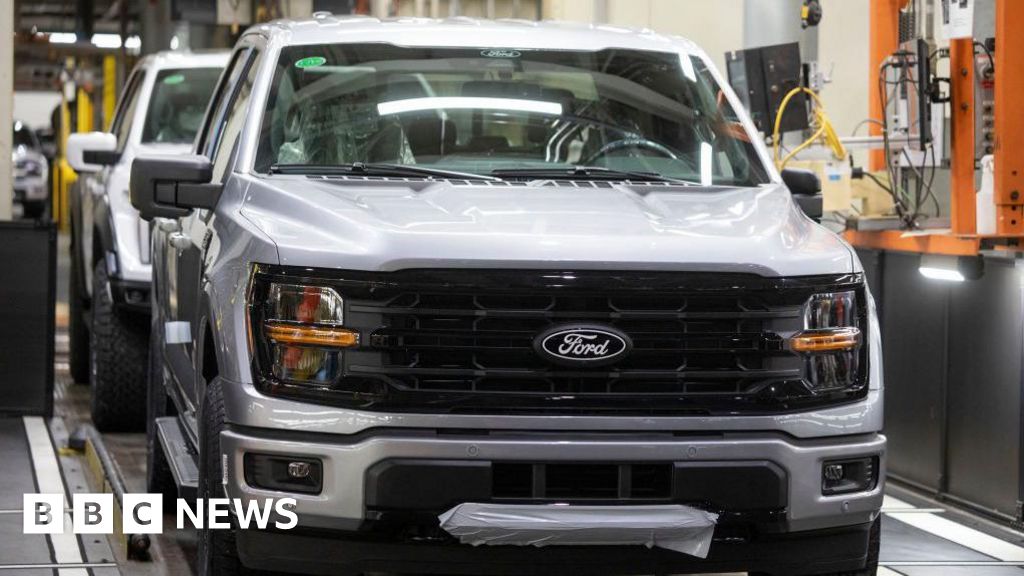
Ford brought back roughly 300 veteran quality inspectors after automated AI systems failed to meet quality standards. The automaker had deployed AI-powered cameras and quality-check tools across its operations, but executives acknowledged the AI fell short of human expertise. The company is now using these experienced engineers to train and improve its AI systems.
Why it matters
Ford's experience illustrates a real limit to AI adoption in manufacturing—automated tools cannot replicate the judgment earned through decades of product cycles. For businesses considering large-scale AI rollouts, this suggests that domain expertise remains irreplaceable and that AI works best when trained and mentored by experienced staff, not deployed in isolation.
What to watch
Ford recently ranked number one mainstream automaker in the US JD Power Initial Quality Study, a position it had not held since 2010. The company attributed this quality turnaround partly to the talent refresh, including the veteran engineers hired to enhance its automation and machine learning systems.
Summaries like this, in your inbox every morning.
Pick your industry and the AI tools you use, and get news related to your work every day.
Free · 30 seconds with Google · unsubscribe anytimeWhat is AIToday? →
Ask AI anything about this article. The AI reads this article, earlier AIToday articles, and Wikipedia, and cites its sources. Q&As are published on this page for other readers too.

