What happened
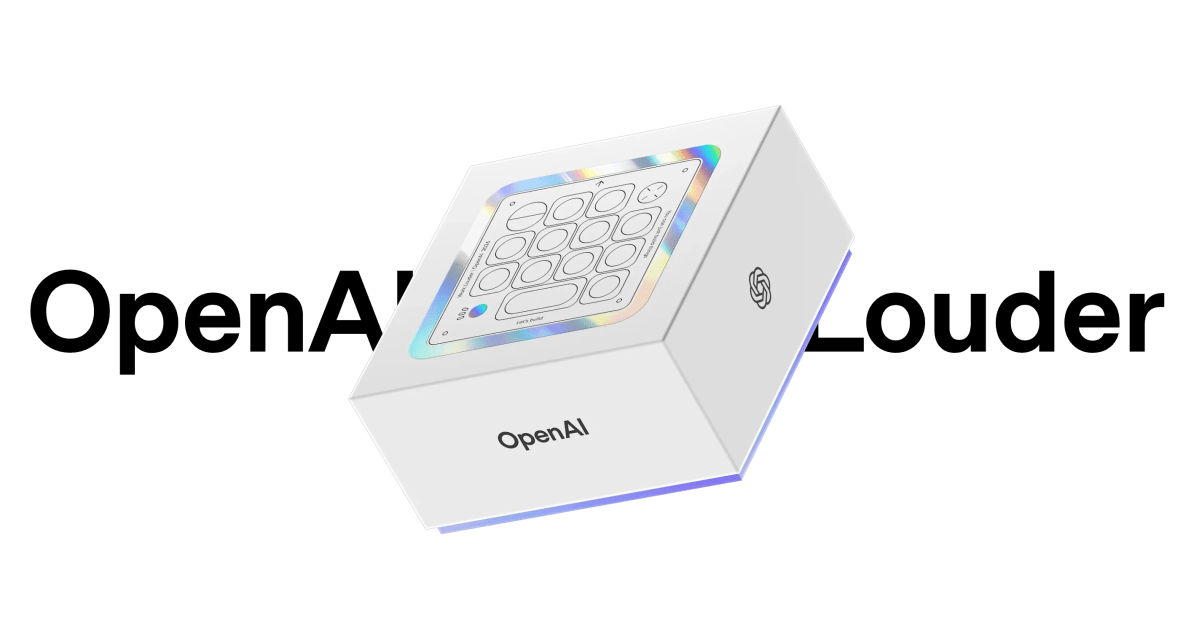
OpenAI released Codex Micro, a square button pad developed with keyboard maker Work Louder, priced at $230. The device features 13 mechanical switches, a joystick, dial, and touch sensor, and will be sold on Supply Co while supplies last as a limited-run collaboration.
Why it matters
The pad is designed to give users a more direct way to monitor and manage their Codex agents—OpenAI's coding platform. Six frosted keys display live status of Codex threads using color coding (complete, needs feedback, running, or error), while command keys can be assigned to actions like push-to-talk, accepting changes, or sending prompts. All controls are configurable from the ChatGPT desktop app, making it a practical tool for developers working with OpenAI's code generation system.
What to watch
This is a limited-run collaboration with no specified unit count. OpenAI is also developing a separate, more ambitious hardware project with former Apple designer Jony Ive—rumored to be a smart speaker for voice interaction with ChatGPT—though that device faces legal scrutiny following Apple's recent lawsuit alleging OpenAI stole hardware secrets, claims OpenAI says are without merit.
Summaries like this, in your inbox every morning.
OpenAI's release of Codex Micro marks its first foray into hardware, though the product is narrowly scoped: it is a specialized input device for its Codex coding platform rather than a consumer-facing AI device. The collaboration with Work Louder—a keyboard maker already known for custom mechanical switch pads like the Creator Micro 2 and a previous partnership with Figma in 2023—suggests OpenAI is leveraging existing expertise rather than building hardware from scratch. The device's design centers on a practical pain point for developers: monitoring and controlling AI agents through visual feedback and quick-access controls, with the color-coded status display and configurable command keys addressing workflows specific to Codex users.
This limited hardware release arrives as OpenAI pursues a much larger and more ambitious hardware initiative with Jony Ive, a project that has attracted significant public attention but remains largely undisclosed. The timing highlights a potential product strategy: a specialized niche device (Codex Micro) alongside a mainstream consumer product (the Ive smart speaker). However, the Ive project is now under legal pressure following Apple's lawsuit this week, which alleges that OpenAI stole hardware secrets—a claim OpenAI has denied. The contrast between the modest, available-now Codex Micro and the delayed, legally embattled Ive device underscores both the company's current hardware capabilities and its ongoing constraints.
Pick your industry and the AI tools you use, and get news related to your work every day.
Free · 30 seconds with Google · unsubscribe anytimeWhat is AIToday? →
Ask AI anything about this article. The AI reads this article, earlier AIToday articles, and Wikipedia, and cites its sources. Q&As are published on this page for other readers too.
Chunghwa Telecom president Rong-shy Lin said the shift from conversational AI to autonomous AI agents is resha…

CoreWeave fell 5% in premarket trading Friday and was on track to finish the week down 15%, after rebounding f…

Apple and Meta said they would jointly release a new open-weight AI model designed to run on high-end Macs, ai…

Investors put $38.5 billion into Asian startups in Q3, per Crunchbase data

A longtime Anthropic investor told Fortune he expects shares priced around $1.8 trillion, below the company's…

In Q2, billionaires or their funds sold six 'Magnificent Seven' AI stocks