A Python tool called diplomat-agent scans codebases for unguarded AI agent tool calls—functions that write to databases, send emails, charge cards, or delete data. A scan of 16 open-source agent repositories found 76% of tool calls had zero checks (input validation, rate limiting, auth checks, confirmation steps, idempotency keys, or retry bounds).
The scanner runs in ~2 seconds on a 1,000-file repo using only Python's standard library AST module. It detects 40+ patterns across 8 categories (database writes/deletes, HTTP writes, payments, email/messaging, agent invocations, destructive commands, and publish/upload operations) and outputs results in Terminal, JSON, SARIF 2.1.0, CSAF 2.0, or Markdown formats.
The tool integrates into CI pipelines (to block unguarded PRs), IDEs (Copilot Chat, Claude Code, Cursor), pre-commit hooks, and GitHub Code Scanning. It also generates a toolcalls.yaml behavioral SBOM that documents what an agent can do, comparable to a requirements.txt file.
Ask the AI about this article →
For example, today's edition would include:
AI-summarized, only the topics you pick — one digest a day via Email, Slack, or Discord.
Free · takes 30 seconds · unsubscribe anytimeWhat is AIToday? →
Ask AI anything about this article. Q&As are published on this page for other readers too.
Anthropic reset the 5-hour and 1-week usage limit windows for its AI service Claude on September 1, in connect…
Salesforce and Anthropic announced Claudeforce, starting with "Salesforce in Claude." This plugin lets users i…
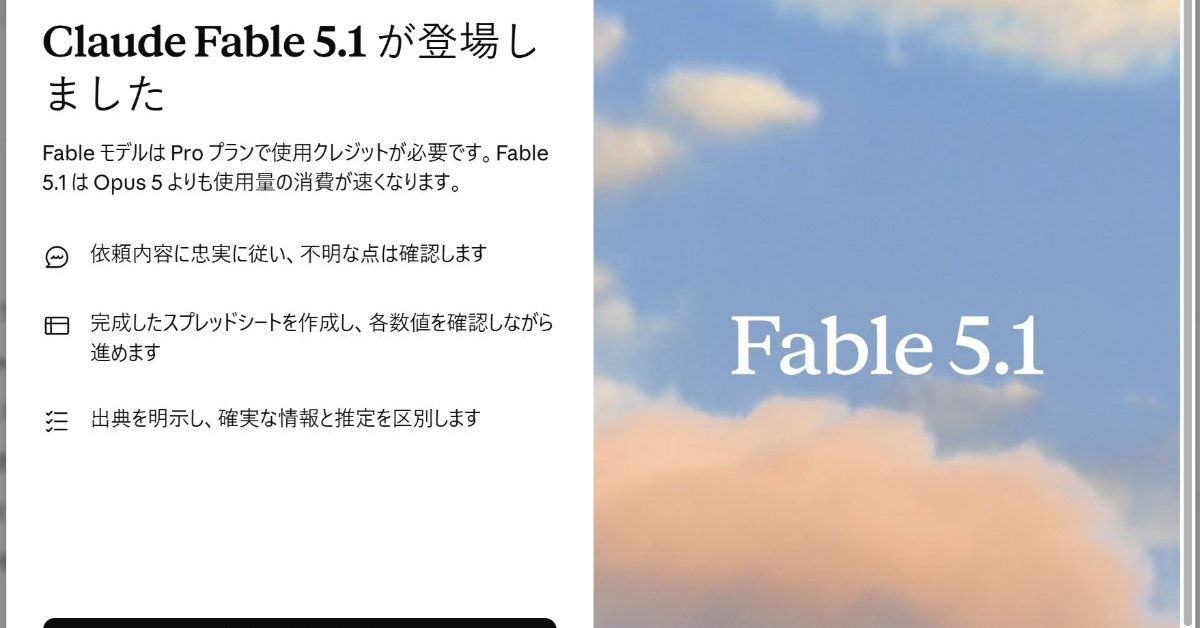
Anthropic announced Claude Fable 5.1 and Claude Mythos 5.1 on September 1
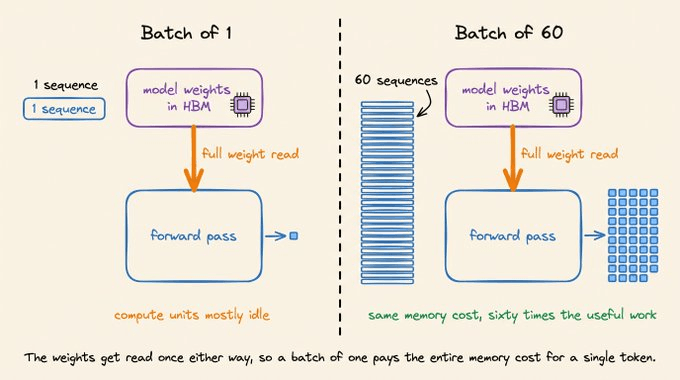
A technical explainer compares three LLM serving strategies—static, dynamic, and continuous batching
Anthropic's latest model, Claude Fable 5.1, is now available on Snowflake Cortex AI

The Allen Institute for AI released BenchMIRT, a method to audit AI benchmarks question-by-question