
Google DeepMind is losing prominent AI researchers, with departures linked to three factors: CEO Demis Hassabis stepping back from operations about a year ago because he found management unfulfilling, researchers' frustration with limited access to Google's TPU chips, and a structural conflict of interest where Google Cloud sells those same chips to rivals like Anthropic that DeepMind must compete against.
Google's bureaucratic environment is also reportedly making smaller, younger companies more attractive to talent.
What happened
Prominent AI researchers are leaving Google DeepMind. CEO Demis Hassabis stepped back from daily operations about a year ago, handing management duties to Koray Kavukcuoglu; Hassabis reportedly found management unfulfilling and views himself as a scientist rather than executive.
Why it matters
Researchers are frustrated by limited access to Google's TPU chips, while Google Cloud simultaneously sells those same chips to competitors like Anthropic—the very firms DeepMind researchers are expected to outcompete. Google's bureaucracy also makes smaller companies more appealing to talent.
What to watch
Google announced today that frontier AI lab Mirendil will receive more than $100 million worth of TPUs and Nvidia GPUs through a Google Cloud partnership—a move that may illustrate the resource allocation tensions driving departures.
Ask the AI about this article →
The departure of researchers from Google DeepMind reflects tensions embedded in Google's organizational structure and business model. CEO Demis Hassabis's step back from daily operations—undertaken about a year ago because he felt management unfulfilling—marked a symbolic shift in DeepMind's leadership. The deeper issue, however, lies in Google's split incentives: the company must simultaneously run a world-leading AI research lab and operate Google Cloud as a profitable business serving all customers, including AI startups that directly compete with DeepMind. When Google Cloud sells TPU chips to Anthropic and other rivals, it creates a dynamic where DeepMind researchers perceive themselves as resource-constrained relative to external competitors who can purchase computing power freely. Google's advance allocation of computing capacity—locked in years ahead but subject to shifting priorities—compounds the friction. Smaller, nimbler companies without such bureaucratic layers reportedly appear more appealing to talent seeking autonomy and certainty over computational resources.
For example, today's edition would include:
AI-summarized, only the topics you pick — one digest a day via Email, Slack, or Discord.
Free · takes 30 seconds · unsubscribe anytimeWhat is AIToday? →
Ask AI anything about this article. Q&As are published on this page for other readers too.
Israeli startup DataAgent Ltd
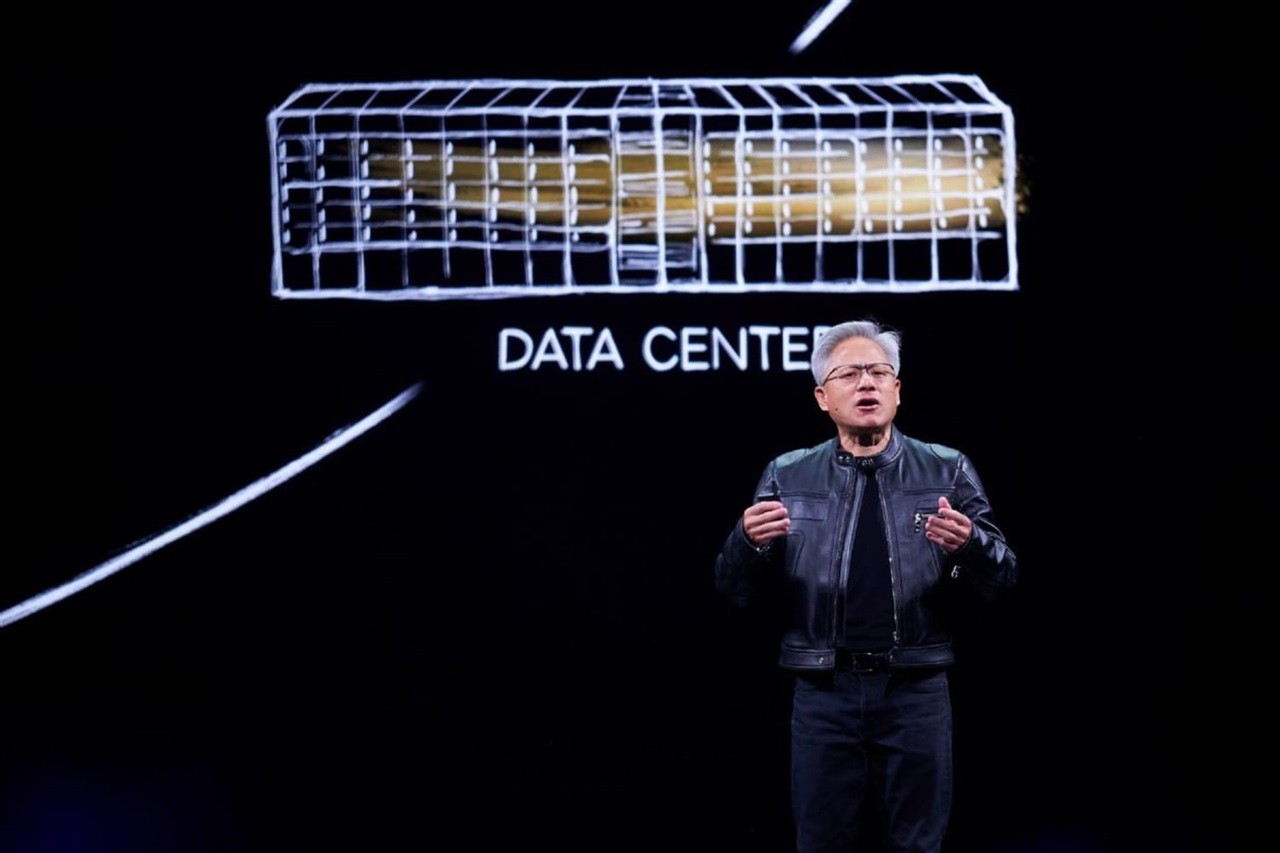
Taoyuan is positioning itself as a northern hub for AI data centers (AIDC), citing the Tatan area and an LNG c…
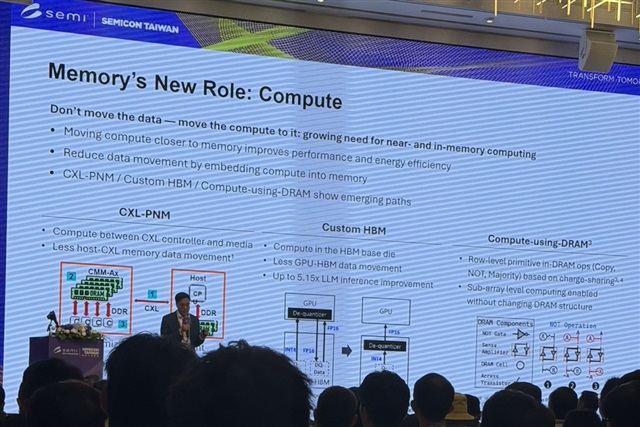
SK Hynix presented a custom HBM concept at SEMICON Taiwan 2026, where compute functions are placed in the base…
The U.S. Department of Defense announced on August 31 that it has deployed ChatGPT Mil, a customized version o…

Nvidia reported earnings that were both remarkable and boring, reflecting its focus on avoiding a consolidated…

Anthropic has agreed to a $35bn cloud-computing contract with Lambda, a Nvidia-backed cloud provider