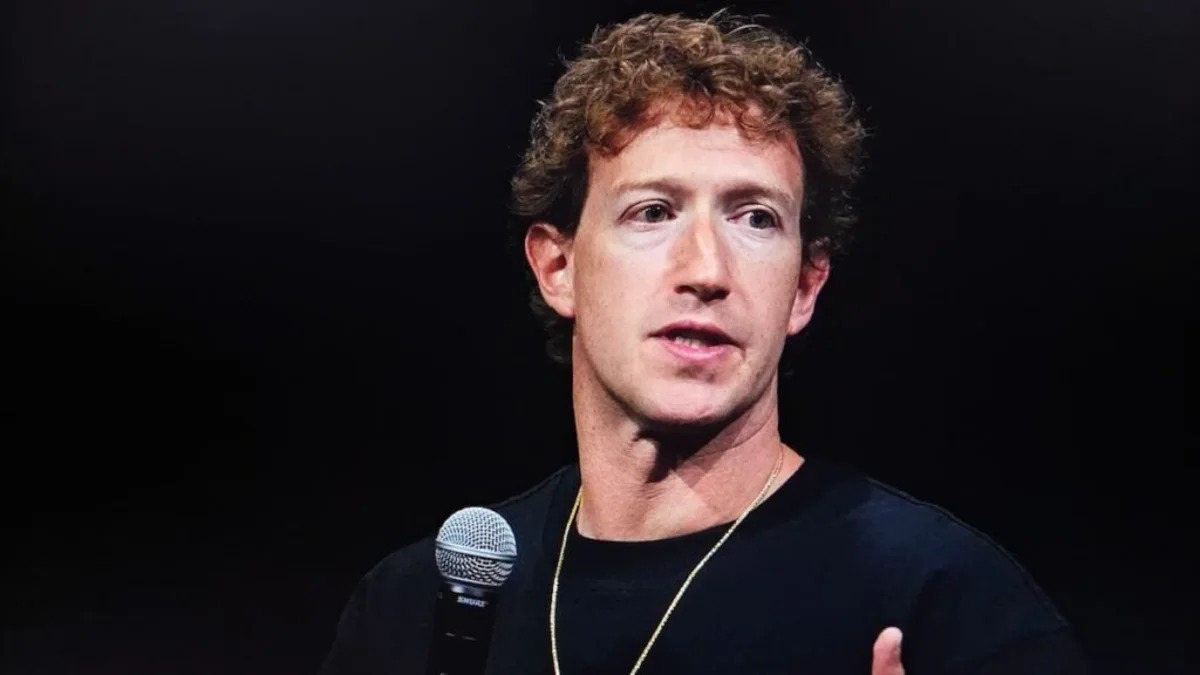
Meta CEO Mark Zuckerberg said on the company's earnings call that personal AI agents—software that understands users' goals and works on their behalf—could soon help billions of people manage their careers, finances, health, and relationships. Zuckerberg called the opportunity "almost inevitable" and said he believes it is "extremely unlikely" that within roughly five years billions of people will not have such agents. Meta is investing heavily in the technology, though Zuckerberg acknowledged the company has not yet delivered the consumer-grade personal AI agent he envisions.
Summaries like this, in your inbox every morning.
Sign up free →What happened
During Meta's second-quarter earnings call, CEO Mark Zuckerberg said personal AI agents could help billions of people manage careers, finances, health, and relationships, calling the opportunity "almost inevitable." He believes it is "extremely unlikely" that within roughly five years billions of people will not have such agents working on their behalf around the clock.
Why it matters
Zuckerberg pointed to rapid growth in coding agents over the past year as proof the market is emerging, though he noted bringing AI agents to consumers at scale requires products that "just work" without setup or troubleshooting. Meta is betting its experience building consumer products for billions and its infrastructure for computationally intensive AI services give it an advantage—though the company has not yet launched the personal AI agent he envisions.
What to watch
Meta is pursuing personal AI agents alongside business-focused agents and advanced AI models. A June warning from AGI Inc. CEO Div Garg flagged that AI agents could disrupt major tech companies like Google and Meta by reducing reliance on traditional search and human-driven advertising.
During Meta's second-quarter earnings call, CEO Mark Zuckerberg laid out an ambitious vision for personal AI agents—autonomous software that understands users' goals and operates on their behalf continuously. In response to a Bernstein analyst's question about whether consumer AI adoption could evolve beyond chatbots as search substitutes, Zuckerberg pointed to the rapid growth of coding agents over the past year as evidence that the agentic AI market is already forming. He explained that coding became the first major agentic AI market because developers possess technical sophistication, appetite for experimentation, and comfort with tools requiring setup and troubleshooting. Scaling this model to billions of consumers, however, demands a different approach: "If you're trying to build something that isn't used by millions of people but is used by billions of people, it needs to just work," he said. Zuckerberg stated he believes it is "extremely unlikely" that within roughly five years billions of people will not have personal AI agents working on their behalf around the clock—agents capable of helping users manage health, hobbies, personal finances, careers, relationships, household responsibilities, and productivity. Meta is pursuing personal AI agents alongside business-focused agents and advanced AI models, and Zuckerberg argued the company's experience building consumer products for billions and its infrastructure for computationally intensive AI services at global scale could confer an advantage. He acknowledged, however, that Meta has yet to launch the consumer-grade personal AI agent he envisions, saying: "I kind of understand that we need to deliver it for our community. That's what we're very focused on." The strategic urgency became clearer in light of a June warning from AGI Inc. CEO Div Garg that AI agents could disrupt major tech companies such as Google and Meta by eroding reliance on traditional search and human-driven advertising. Meta reported second-quarter revenue of $60.80 billion(約9.7兆円), beating Wall Street estimates of $59.50 billion(約9.5兆円), with revenue rising 28% year over year, providing financial runway for the company's heavy investment in AI infrastructure and product development.
Zuckerberg's comments on the earnings call reflect Meta's strategic bet that personal AI agents—autonomous software that anticipates user needs and acts on their behalf—represent the next major computing platform. His framing of the opportunity as "almost inevitable" signals Meta's conviction that this shift is not speculative but directional, though the timeline (roughly five years) and the requirement that such products "just work" for billions underscores the technical and user-experience hurdles ahead. The reference to rapid growth in coding agents establishes proof of concept: developers, as a technically sophisticated early-adopter cohort, have already begun integrating agentic tools. Bringing that model to mainstream consumers—people without technical training—demands a fundamentally different product philosophy, which explains Zuckerberg's emphasis on simplicity and reliability. His acknowledgment that Meta has not yet shipped such a product tempers the bullish rhetoric and suggests the company remains in the investment phase. The June warning from AGI Inc.'s Div Garg adds urgency to Meta's timeline: agents that reduce user reliance on search and ad-driven interactions pose an existential risk to Meta's core advertising model, making the development of captive, proprietary agent experiences strategically essential.
AI-summarized, only the topics you pick — one digest a day via Email, Slack, or Discord.
Free · takes 30 seconds · unsubscribe anytime
No comments yet. Be the first to share your thoughts!
Log in to join the discussion





Get curated AI news from 200+ sources delivered daily to your inbox. Free to use.
Get Started FreeFree · takes 30 seconds · unsubscribe anytime
