What happened
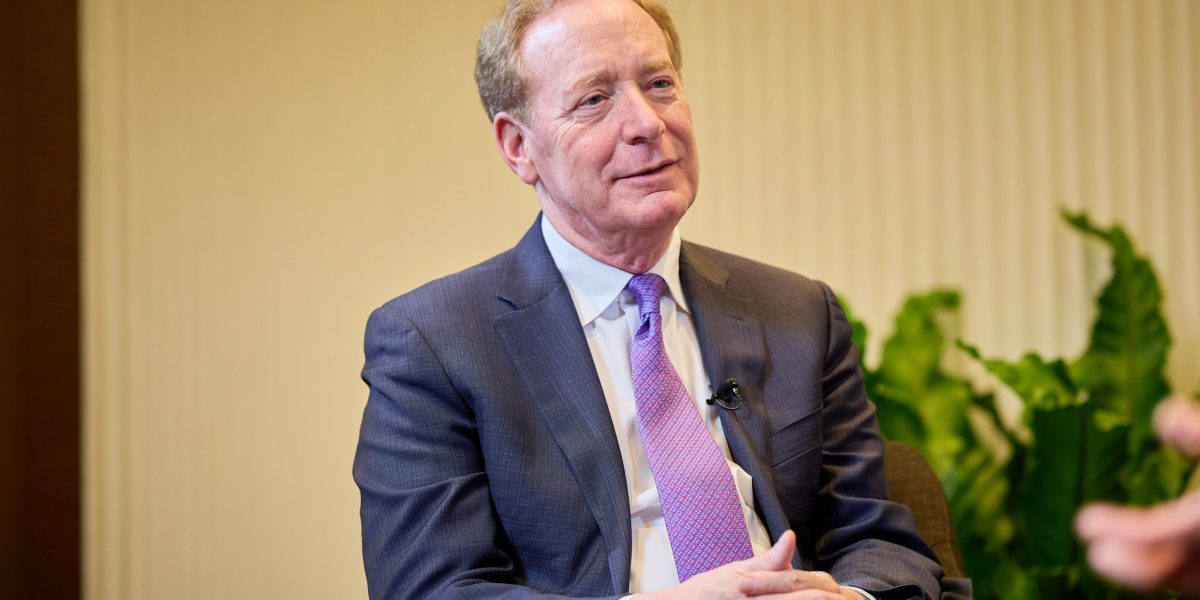
Microsoft President Brad Smith said the Trump administration is regulating AI without transparent or complete rules, making it difficult for businesses to plan. He spoke after the Commerce Department forced Anthropic to pull its Fable 5 and Mythos 5 models worldwide on cybersecurity grounds, and the administration pressed OpenAI to delay its GPT-5.6 launch—both restrictions have since eased.
Why it matters
Smith acknowledged the government was right to act on genuine security concerns, but noted it lacks proper regulatory tools and is instead reaching for export controls designed for traditional trade goods, not AI delivered over an API. This patchwork approach—mixing voluntary review with sudden mandatory restrictions—leaves companies and foreign governments uncertain about U.S. AI policy, potentially driving other nations to develop sovereign AI systems.
What to watch
The government has not disclosed the criteria for which companies count as "trusted partners" or which models will face vetting in the future. Smith warned that without certainty of supply and reliable access, foreign buyers will turn elsewhere—creating pressure on Washington and U.S. tech firms to prove their systems are dependable.
Summaries like this, in your inbox every morning.
The U.S. government's recent use of export controls to restrict access to advanced AI models has exposed a regulatory gap. The Commerce Department and White House moved to block or delay releases by Anthropic and OpenAI on security grounds, yet neither the restrictions nor the process behind them followed a formal legal framework. A June executive order set up a voluntary pre-release review process, but when Anthropic declined to cooperate voluntarily, officials reached for export controls—a blunt instrument never designed to govern API-delivered software. The fact that OpenAI and Anthropic faced two different processes within weeks, with no published standards for either and no disclosed criteria for "trusted partners," has left both companies and foreign governments guessing at what the policy actually is.
Smith's point resonates beyond Microsoft: if the U.S. government cannot articulate clear, stable, and legally grounded rules for frontier AI, American tech firms lose credibility abroad. Europe, Canada, and other nations are now treating the Anthropic shutdown as proof that relying on American AI infrastructure is risky—not because the government necessarily intends to cut them off, but because the rules themselves are opaque and the tools chosen (export controls) can be weaponized without warning. Smith suggests the real challenge is not heavier-handed regulation, but smarter regulation: formal legislation that gives the government the legitimate authority it needs while giving companies the certainty they need to invest and operate globally. Without that, sovereigty-focused AI development in Europe and elsewhere may accelerate, potentially fragmenting the AI market and undermining U.S. technology leadership.
Pick your industry and the AI tools you use, and get news related to your work every day.
Free · 30 seconds with Google · unsubscribe anytimeWhat is AIToday? →
Ask AI anything about this article. The AI reads this article, earlier AIToday articles, and Wikipedia, and cites its sources. Q&As are published on this page for other readers too.
Taiwan is considering much stricter export controls on AI chip sales to China, part of a greater alignment wit…

Nichiren announced its generative AI voice usage guideline on October 15, built on three pillars: prior notice…

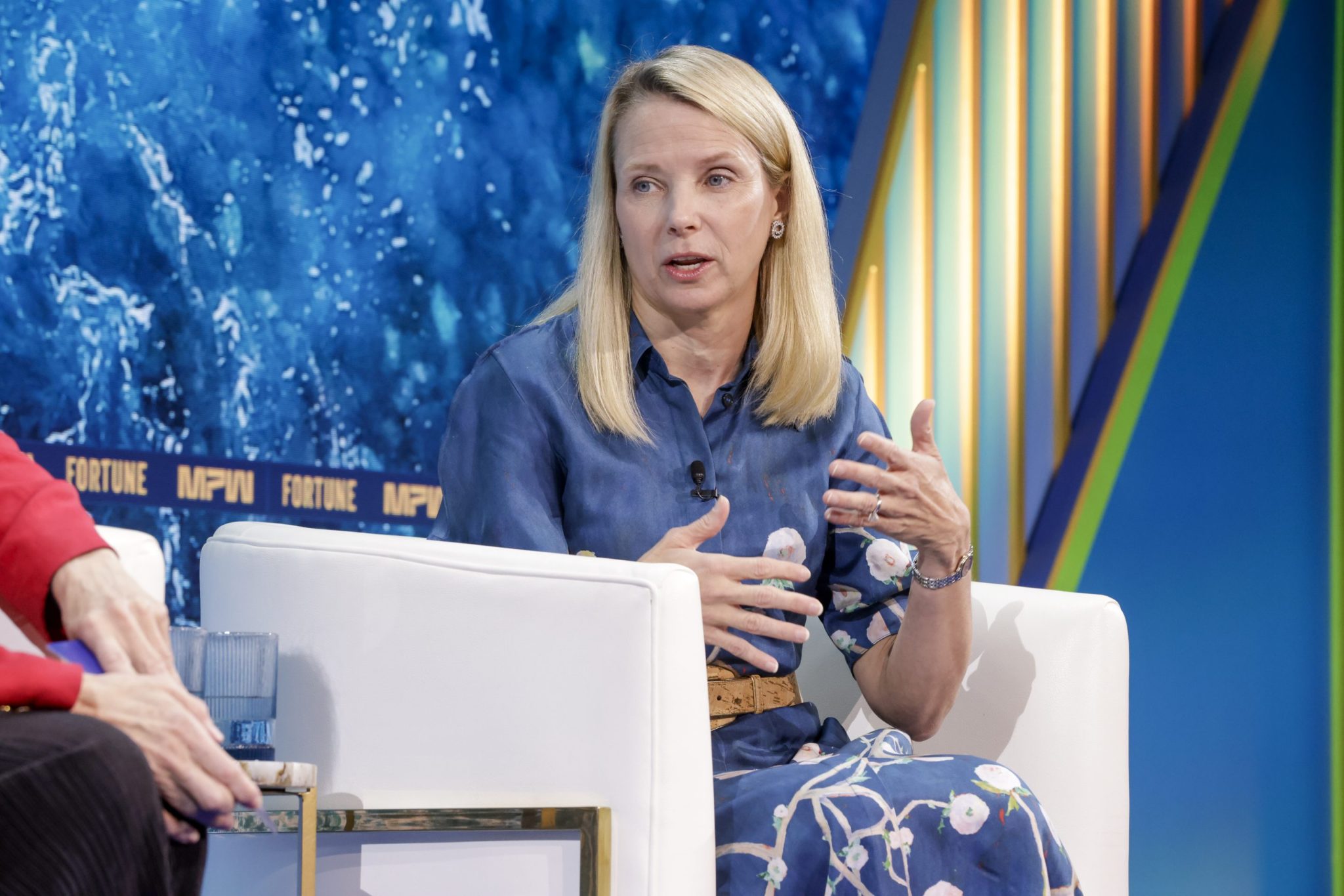
At the Most Powerful Women Summit, Marissa Mayer said anyone who claims to know how AI will play out is 'eithe…
SHIFT announced it began a project for the Acquisition, Technology & Logistics Agency (防衛装備庁) covering AI-rela…
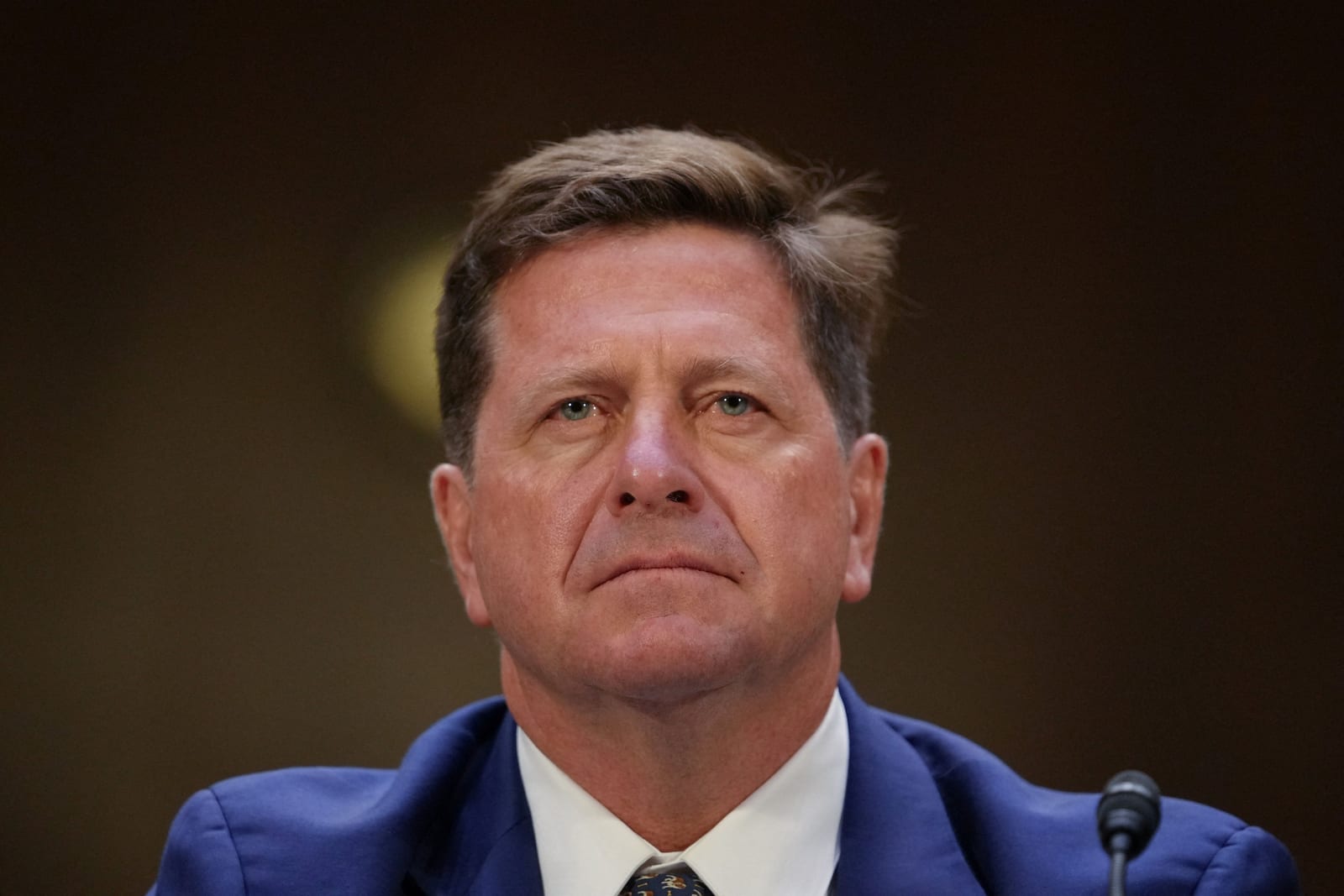
After its first meeting Thursday, the White House AI task force formally adopted its charter, opening a 120-da…
Anthropic announced a revised Claude usage policy on October 8, 2026 that applies from November 12, 2026, rewr…


