Summaries like this, in your inbox every morning.
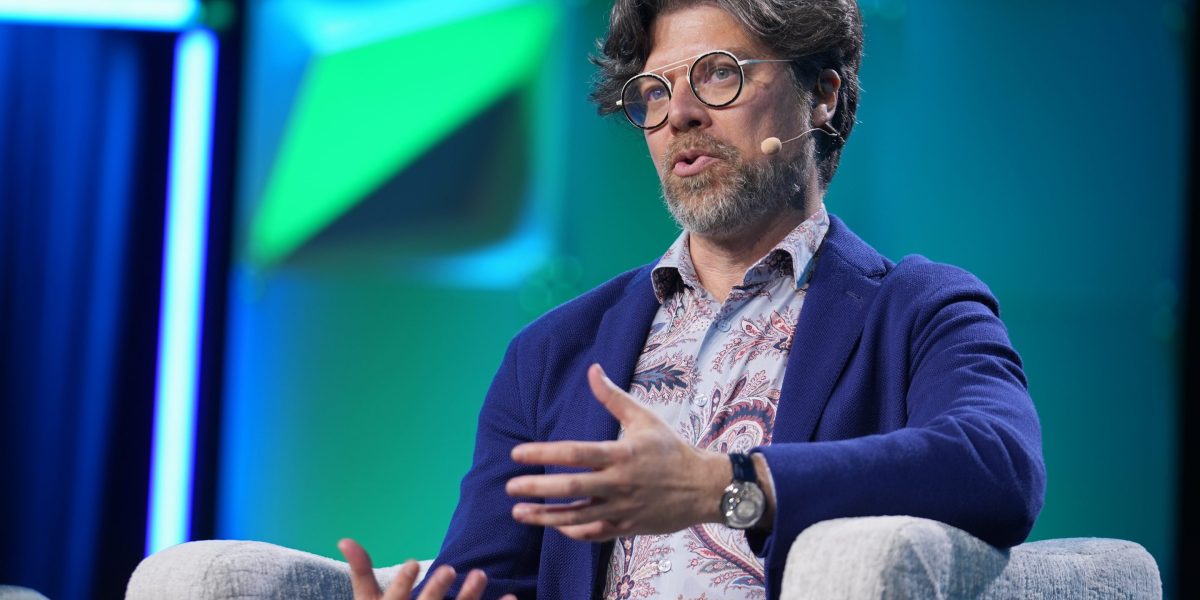
Sign up free →Bryan Catanzaro, vice president of applied deep learning at Nvidia, stated that "the cost of compute is far beyond the costs of the employees" for his team. An MIT study from 2024 found AI automation would be economically viable in only 23% of roles where vision is a primary part of the work; in the remaining 77% of cases, human labor remained cheaper.
Big Tech firms announced $740 billion in capital expenditures for AI in 2026 so far, a 69% increase from 2025, according to Morgan Stanley. McKinsey projects AI expenditures may reach $5.2 trillion by 2030 (with $1.6 trillion from data center spending and $3.3 trillion from IT equipment), or surge to $7.9 trillion at an accelerated pace.
Tech sector layoffs exceeded 92,000 in 2026 so far across nearly 100 companies, already outpacing 2025's total of about 120,000 layoffs. Meta announced plans to lay off 10% of its workforce, about 8,000 employees, and scrap plans to hire for 6,000 open positions.
Keith Lee, AI and finance professor at the Swiss Institute of Artificial Intelligence's Gordon School of Business, attributed the mismatch to a "short-term" cost structure issue. He predicted AI will become viable only if inference (how AI analyzes data) for a large language model with 1 trillion parameters drops by more than 90% over the next four years, combined with adoption of usage-based pricing and proven reliability.
No discussion yet for this article
Get curated AI news from 200+ sources delivered daily to your inbox. Free to use.
Get Started FreeFree · takes 30 seconds · unsubscribe anytime
1 minute a day. The AI essentials.
200+ sources · Email / LINE / Slack
