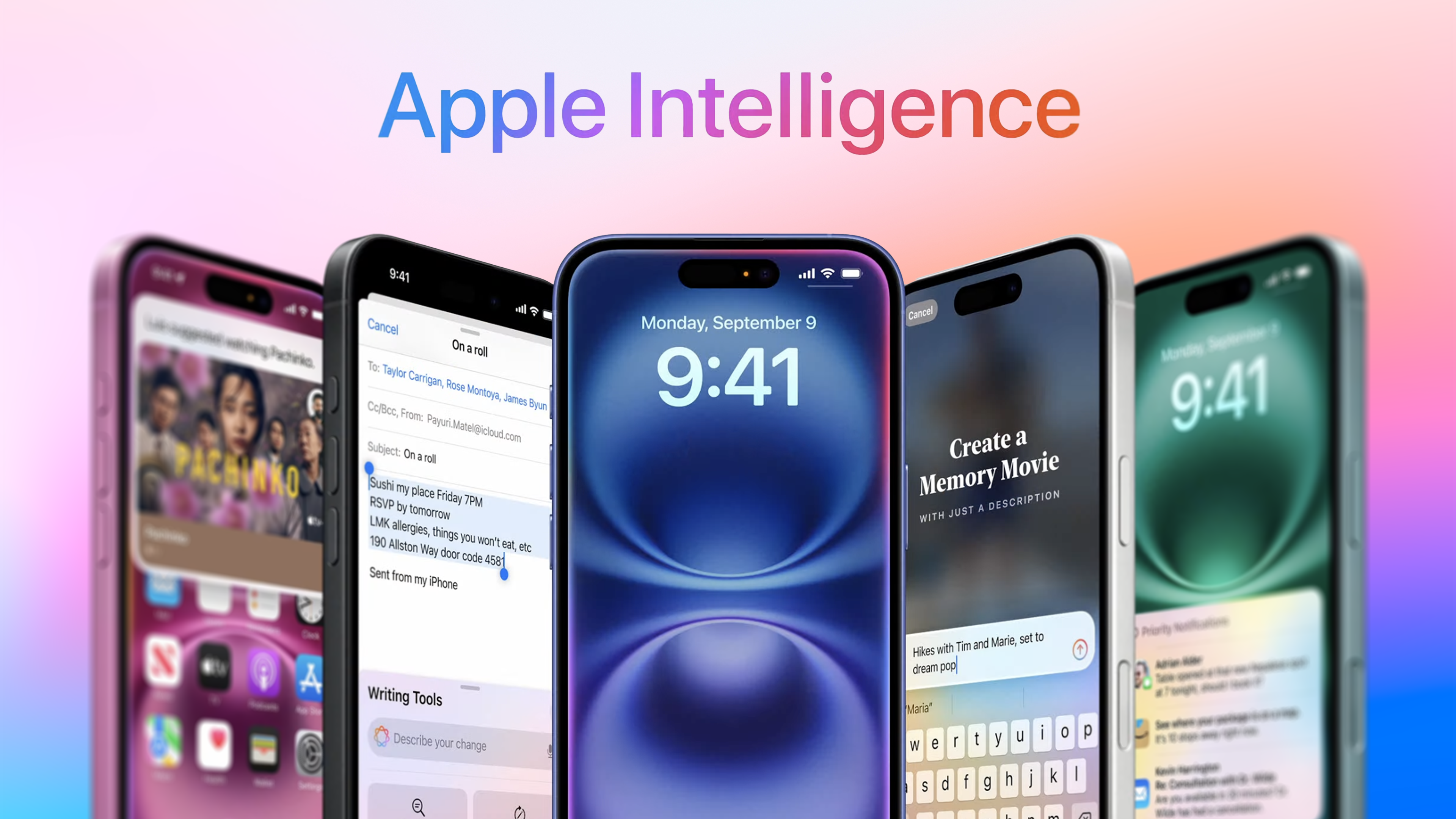
Apple settled a $250 million(約400億円) lawsuit alleging it falsely advertised Apple Intelligence features for iPhone 16 and select iPhone 15 models that weren't ready at launch. The company promised an intelligent Siri agent but didn't deliver core features until much later; approximately 36 million eligible customers may receive $25–$95 per device. However, payouts won't arrive until after a final court approval hearing scheduled for September 29, 2027, followed by a 60-calendar-day processing window.
Summaries like this, in your inbox every morning.
Sign up free →What happened
Apple settled a false advertising lawsuit in May for $250 million(約400億円), agreeing to compensate customers who bought iPhone 16 and certain iPhone 15 models between June 10, 2024, and March 29, 2025, after the company promised AI features that weren't available at launch. Eligible payouts range from $25 to $95 per device, with approximately 36 million customers eligible. The court granted preliminary approval on July 17.
Why it matters
Apple advertised iPhone 16 as optimized for advanced AI features like an intelligent Siri agent, but Apple Intelligence didn't launch until iOS 18.1, five weeks after the phones arrived. While some features (Writing Tools, Visual Intelligence, Live Translation, Genmoji, Clean Up) shipped quickly, the core intelligent agent capabilities customers were promised are only now appearing in iOS 27. This settlement underscores the risk when companies advertise features that aren't ready at launch.
What to watch
The final approval hearing is scheduled for September 29, 2027. If approved, checks or deposits are expected to arrive within a 60-calendar-day window after that date. Eligible customers will receive email and postal notices directing them to a settlement website; the claim deadline is 90 days after notice arrives.
Apple's settlement addresses a central complaint from early iPhone 16 buyers: the company advertised AI features that simply weren't ready when the phones launched in 2024. The lawsuit alleged that Apple misled consumers by prominently promising an intelligent Siri that could act as an agent, handling complex interactions and tasks. When iPhone 16 and qualifying iPhone 15 Pro models arrived, Apple Intelligence was nowhere to be found. Instead, customers had to wait until iOS 18.1—released five weeks later—for the first features to appear.
Even then, what shipped wasn't what Apple had advertised. The initial features included Visual Intelligence, Live Translation, Writing Tools, Genmoji, and Clean Up—useful tools, but not the advanced agent-like Siri capabilities that dominated Apple's marketing message. Those features are only now beginning to roll out as part of iOS 27, with a public beta already available. The settlement acknowledges that Apple "allegedly saturated the market with deceptive ads, inducing consumers to purchase iPhones based on the promise of certain enhanced Siri features."
Eligible customers—those who purchased iPhone 16, iPhone 16E, iPhone 16 Plus, iPhone 16 Pro, iPhone 16 Pro Max, iPhone 15 Pro, or iPhone 15 Pro Max between June 10, 2024, and March 29, 2025—will receive payouts ranging from $25 to $95 per device. Apple estimates approximately 36 million customers are eligible. The court granted preliminary approval of the settlement on July 17, meaning the court found the proposed terms sufficient to move forward, though this is not yet a final ruling on fairness.
The path to receiving payment requires patience. Apple must provide customer data to a settlement administrator within five days of approval. After verification, the company Verita will send notices via email and postal mail directing customers to a settlement website (not yet created) where they can file claims. Claimants have 90 days from notice arrival to submit. The final approval hearing is scheduled for the morning of September 29, 2027. Once approved, checks or deposits are expected within a 60-calendar-day window after that date, potentially pushing actual payment delivery well into late 2027 or early 2028. In a statement, Apple said it reached the settlement "to stay focused on doing what we do best, delivering the most innovative products and services to our users."
Apple's settlement stems from a timing mismatch that frustrated early iPhone 16 adopters. When the company announced its 2024 iPhone lineup, it prominently featured Apple Intelligence as a defining capability—particularly an enhanced Siri that could act as an intelligent agent to handle complex tasks. However, the devices shipped without those headline features. While Apple did deliver other AI-powered tools quickly (Writing Tools, Visual Intelligence, Live Translation, Genmoji, and Clean Up), the advanced agent-like Siri interactions customers were led to expect are only now becoming available as part of iOS 27, expected later this year. The lawsuit alleged that Apple "saturated the market with deceptive ads," inducing purchases based on promises of capabilities that weren't present at launch.
The $250 million(約400億円) settlement reflects both the scale of the disappointment—36 million eligible customers—and Apple's preference to resolve the matter rather than litigate further. The company's brief statement to CNET indicated it wanted to "stay focused on doing what we do best, delivering the most innovative products and services." However, the lengthy timeline to payouts (preliminary approval granted July 17, with final approval not expected until September 29, 2027) means eligible customers face a wait of more than a year before receiving compensation.
AI-summarized, only the topics you pick — one digest a day via Email, Slack, or Discord.
Free · takes 30 seconds · unsubscribe anytime
No comments yet. Be the first to share your thoughts!
Log in to join the discussion



Get curated AI news from 200+ sources delivered daily to your inbox. Free to use.
Get Started FreeFree · takes 30 seconds · unsubscribe anytime
