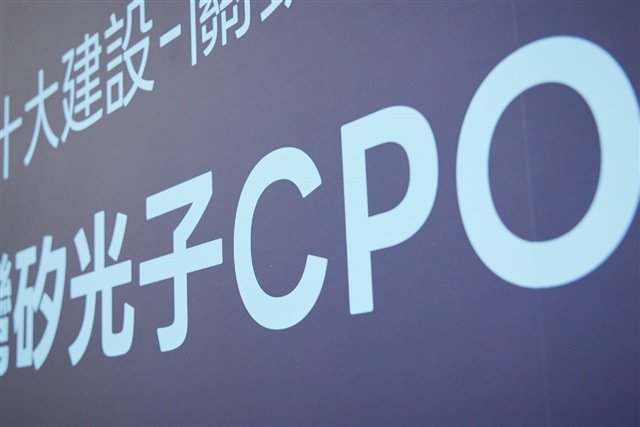
The rollout of co-packaged optics (CPO), a technology that integrates optical components with chips to enable faster data center transmission, is being pushed back due to constraints in sourcing laser components from external suppliers. Although CPO remains a critical long-term technology for data centers as electrical signaling reaches its limits, the commercialization timeline has not sped up as the AI boom would suggest, because bottlenecks in the laser supply chain are slowing progress.
Summaries like this, in your inbox every morning.
Sign up free →What happened
The commercialization timeline for co-packaged optics (CPO)—a technology that bundles optical and electrical components into a single chip package for high-speed data transmission—has not accelerated as expected, despite strong AI data center demand. Industry players cite laser source outsourcing constraints as a key reason for the delay.
Why it matters
CPO is expected to become essential as electrical signaling approaches physical limits in data centers. Delays in CPO deployment may slow the infrastructure upgrades needed to support next-generation AI workloads, which depend on faster inter-chip communication to function efficiently.
What to watch
Industry players continue to view CPO as a long-term technology priority, even as near-term commercialization timelines slip. The availability and capacity of external laser suppliers will likely determine when CPO can transition from development to widespread deployment in production systems.
Co-packaged optics represents a fundamental shift in how data centers will transmit data between chips and systems. Unlike traditional architectures, which rely on separate optical modules connected by fiber, CPO integrates optical and electrical components into a single package, reducing latency and power consumption while increasing bandwidth density. The technology has attracted significant interest because electrical signaling—copper traces and electrical interconnects used in current systems—is reaching its physical limits as data rates climb.
Despite strong demand from AI data centers, which require high-speed transmission to support large language models and other compute-intensive workloads, the commercialization timeline for CPO has not accelerated as industry players expected. The body identifies outsourcing constraints for laser sources as a primary reason for this delay. Lasers are a core component of optical transmission systems, and they appear to be sourced from external suppliers rather than manufactured in-house by CPO developers. This dependency creates a supply chain vulnerability: if laser suppliers lack sufficient capacity or manufacturing capability to meet demand, the entire CPO commercialization schedule stretches out.
Industry players remain committed to CPO as a long-term strategic technology, viewing it as inevitable once electrical signaling can no longer meet data center performance requirements. However, the article underscores that near-term deployment timelines continue to slip, and the industry cannot overcome these constraints by simply waiting for AI demand to pull the technology forward. Instead, the availability and scale of external laser suppliers will likely be the deciding factor in determining when CPO transitions from a promising research area into widespread commercial deployment.
Co-packaged optics has long been positioned as a critical enabling technology for next-generation data centers, particularly as AI workloads demand unprecedented inter-chip communication bandwidth. The body indicates that electrical signaling—the traditional method for transmitting data between components—is approaching its physical performance limits, making optical solutions increasingly necessary. CPO integrates optical transmission directly into the chip package, promising higher speeds and better energy efficiency than separate optical modules.
However, the article reveals a tension between expected demand and actual deployment timelines. Industry observers anticipated that the surge in AI infrastructure spending would accelerate CPO adoption, but supply chain constraints have interrupted that acceleration. Specifically, the outsourcing of laser components—a critical subsystem within CPO—has become a bottleneck. The body notes that external laser suppliers are a limiting factor, suggesting that CPO manufacturers do not produce lasers in-house and depend on a fragmented or capacity-constrained supplier base. This supply-side constraint is preventing the faster transition from research and development into volume production that industry players had expected.
AI-summarized, only the topics you pick — one digest a day via Email, Slack, or Discord.
Free · takes 30 seconds · unsubscribe anytime
No discussion yet for this article
Get curated AI news from 200+ sources delivered daily to your inbox. Free to use.
Get Started FreeFree · takes 30 seconds · unsubscribe anytime
1 minute a day. The AI essentials.
200+ sources · Email / LINE / Slack
