What happened
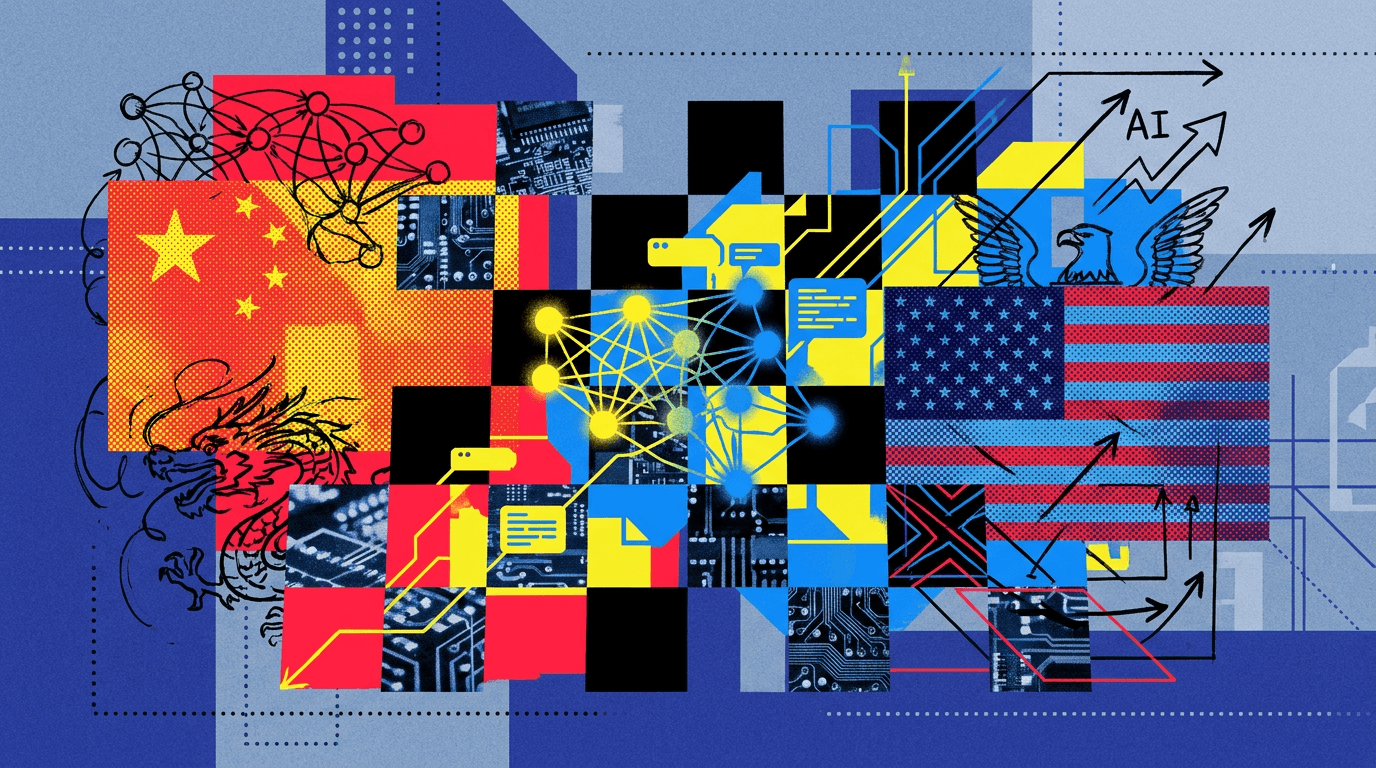
Chinese AI models from companies like DeepSeek and Z.ai have captured over 30 percent of traffic on the platform OpenRouter every week since February 8, peaking at 46 percent. This marks a sharp rise from an average of 11 percent last year. According to OpenRouter employee Justin Summerville, Chinese open-source models run 60 to 90 percent cheaper than US alternatives.
Why it matters
US companies are shifting workloads to Chinese models to cut costs, as pricing from OpenAI and Anthropic continues to climb. The startup Lindy moved all its traffic from Anthropic's Claude to DeepSeek, with CEO Flo Crivello stating the switch saves millions. For businesses managing large-scale AI inference, the cost gap may create pressure to adopt cheaper Chinese alternatives.
What to watch
A skill gap persists—Kyle Chan at the Brookings Institution estimates Chinese models trail leading US models by six to nine months, an estimate aligned with a May report from the Center for AI Standards and Innovation (CAISI) that found Chinese AI models lag by about eight months. The assessment covered cybersecurity, software development, math, science, and abstract reasoning.
Summaries like this, in your inbox every morning.
The shift toward Chinese AI models reflects a fundamental cost dynamic reshaping AI adoption. As US providers maintain premium pricing strategies, companies face a widening gap between proprietary performance and open-source affordability. The data from OpenRouter—where Chinese models crossed the 30 percent threshold in early February and have sustained that level for months—signals sustained economic pressure rather than a passing trend.
However, the capability gap documented by independent assessments tempers the narrative. The six to nine month lag reported by the Brookings Institution and the May CAISI finding both point to meaningful differences in reasoning, development, and security tasks. This creates a two-tier market: cost-sensitive workloads migrate to Chinese models, while performance-critical applications may remain anchored to US systems. For businesses, the calculus increasingly hinges on which tasks tolerate a capability discount in exchange for material cost savings.
Pick your industry and the AI tools you use, and get news related to your work every day.
Free · 30 seconds with Google · unsubscribe anytimeWhat is AIToday? →
Ask AI anything about this article. The AI reads this article, earlier AIToday articles, and Wikipedia, and cites its sources. Q&As are published on this page for other readers too.
Amazon introduced Bee Frontier, a wearable personal AI, for $74.99 in Onyx, Lavender and Sage, and Bee Eclipse…

Wall Street ended down sharply, with worries about the AI trade and high oil prices weighing on the market

Citi has become the latest US bank to restrict AI agents from accessing accounts, per the Financial Times

Dell says its AI Data Platform uses a four-engine architecture and a Unified Semantic Layer to connect siloed…
Microsoft and Nvidia are promoting RTX Spark, a new class of Windows PCs for local AI, with a top configuratio…
Microsoft AI CEO Mustafa Suleyman told employees that MAI-Base-2, announced Thursday, is a stronger pre-traine…