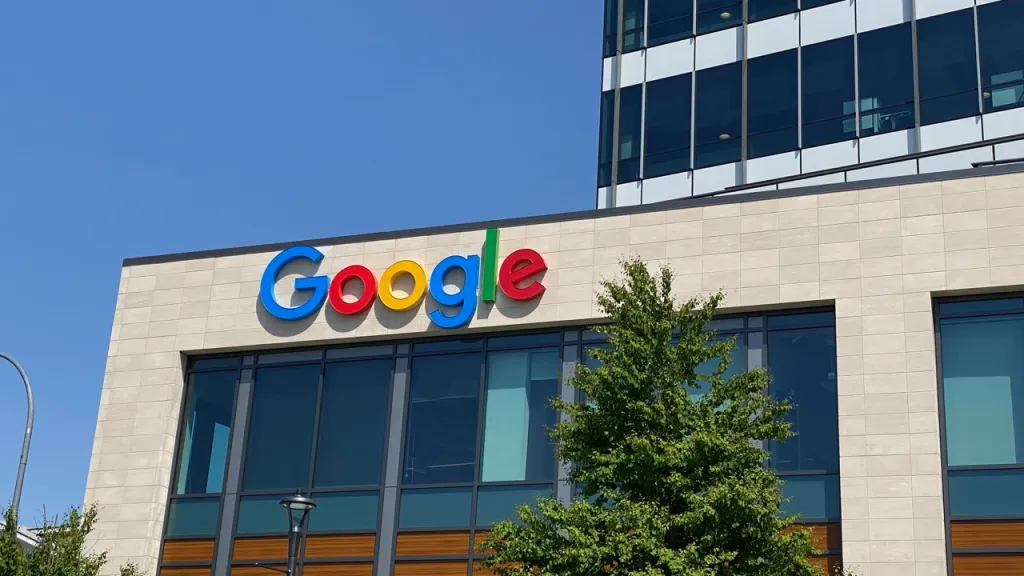
Google used its recent earnings call to highlight travel as a flagship example of how it is applying AI across search ads, cloud, and transactions. The company showcased partnerships with IHG and Booking Holdings to demonstrate that travel searches — which contain rich detail like dates, budgets, and destination preferences — let Google match paid offers more precisely to what travelers are actually planning. This narrative serves Google's goal of showing investors where its AI business lines are converging, even though retail and finance drove search ad revenue this quarter.
Summaries like this, in your inbox every morning.
Sign up free →What happened
During its latest earnings call, Google highlighted travel as a showcase for its artificial intelligence work across search ads, cloud services, and transactions — pointing to partnerships with IHG Hotels & Resorts and Booking Holdings as proof points.
Why it matters
Travel searches contain rich data (dates, budgets, destinations, amenities) that Google can use to match paid offers to what people actually plan to book. This demonstrates how Google is converging AI across advertising, cloud, and commerce — a story the company is using to show investors its AI monetization path, even as retail and finance drove this quarter's search ad revenue.
What to watch
IHG will soon surface special offers during AI-powered searches, and Booking Holdings is leveraging Google's cloud and AI capabilities for transactions. These implementations will be early proof of whether AI-matched travel offers actually drive bookings and revenue.
During Google's latest earnings call, executives used travel as their flagship example of artificial intelligence applications across the company's core business lines. While retail and finance drove search ad revenue in the quarter, Google steered investor attention toward travel partnerships to demonstrate how AI is working across search, cloud, and commerce simultaneously. The company highlighted two major collaborations: IHG Hotels & Resorts will soon surface special offers to users during AI-powered searches, and Booking Holdings is integrating Google's cloud infrastructure and AI-powered transaction tools into its booking platform. The rationale behind this focus is that travel searches are unusually data-rich compared to most other search categories. When people search for travel, they typically provide dates, budget parameters, desired destinations, and preferred amenities — a volume of usable signals that lets Google match paid offers far more precisely to what a traveler is actually planning. By demonstrating that AI can extract this intent and serve relevant offers in real time, Google is constructing a narrative for investors about how it monetizes AI across advertising, infrastructure, and commerce. The message is implicitly that as travel companies adopt these AI-powered capabilities, they unlock new revenue streams while Google captures value from cloud services and improved ad relevance.
Google's choice to spotlight travel during its earnings presentation reveals a strategic shift in how it frames its AI business to investors. Rather than leading with the categories that drove this quarter's growth — retail and finance in search ads — the company selected travel to illustrate a broader narrative: the convergence of AI across three revenue streams (search advertising, cloud services, and transaction processing). Travel is an effective vehicle for this story because search behavior in travel is unusually information-rich. A traveler searching for hotels or flights typically supplies dates, budget constraints, destination preferences, and desired amenities — data points that a generative AI system can use to understand intent with uncommon precision. This allows Google to show how its AI can move beyond matching keywords to matching actual user plans, a more compelling value proposition to advertisers and enterprise customers alike.
AI-summarized, only the topics you pick — one digest a day via Email, Slack, or Discord.
Free · takes 30 seconds · unsubscribe anytime
No comments yet. Be the first to share your thoughts!
Log in to join the discussion


Get curated AI news from 200+ sources delivered daily to your inbox. Free to use.
Get Started FreeFree · takes 30 seconds · unsubscribe anytime
