What happened
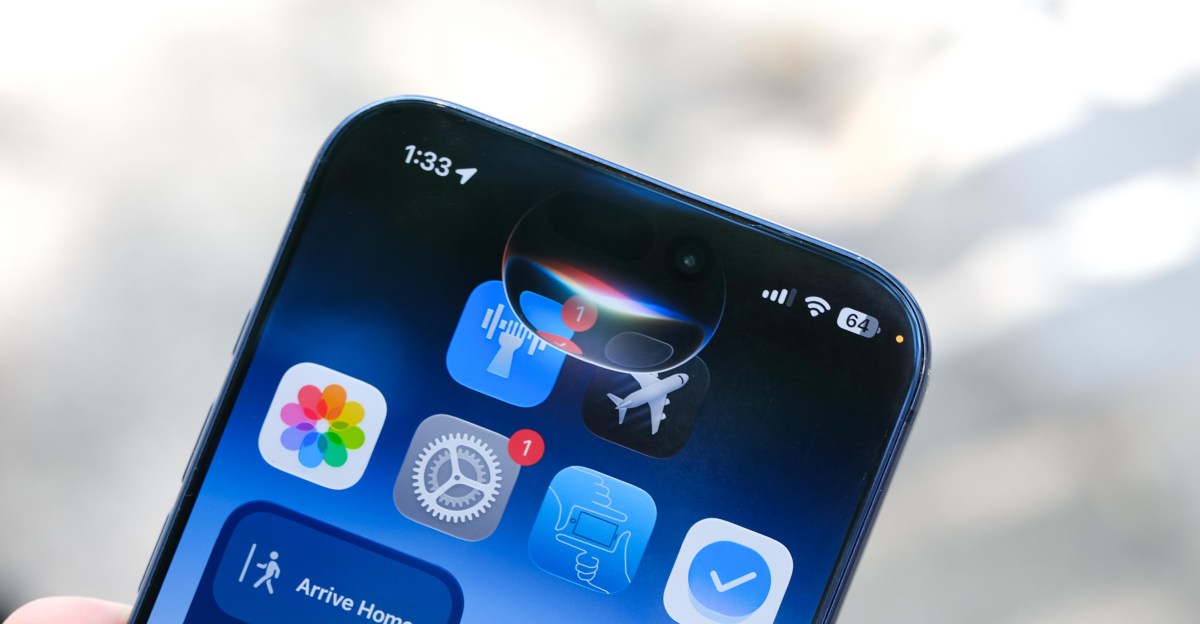
Apple released iOS 27's first public beta today, featuring the long-awaited Siri AI as an opt-in beta program. The new Siri can search across apps and the web to answer questions and perform tasks without requiring users to jump between apps—for example, finding concert setlist information or adding calendar events from email. Currently, Siri AI support is limited to Apple's own apps (Messages, Mail, Photos, Reminders, Notes, Calendar).
Why it matters
The redesigned Siri shifts how users interact with their phones—instead of opening an app first and telling it what to do, users can now ask what they want and Siri handles the rest. A tester found it reduced browser use and made tasks like adding events from emails or finding onscreen information faster and more intuitive. However, Siri still struggles with natural language interpretation (e.g., confusing "remind me to buy these tickets" with "buy tickets to this") and cannot yet access third-party apps like Telegram, limiting its usefulness for users whose data lives outside Apple's ecosystem.
What to watch
Third-party developers can now build entities (data types like photos or playlists) and intents (actions like play or delete) into their apps to support Siri AI, but their updates won't roll out until the full iOS 27 release in the fall. Developers say supporting Siri comprehensively across every app screen and function is a major undertaking. The feature's eventual success depends on widespread third-party app adoption.
Summaries like this, in your inbox every morning.
iOS 27 represents a scaled-back release cycle focused on performance and reliability rather than headline-grabbing new features—a philosophy the article likens to Apple's "Snow Leopard" update. Yet the centerpiece is undeniably the revamped Siri AI, a substantial rethinking of how users command their phones. The shift from app-first to intent-first interaction mirrors a broader industry move toward AI agents (systems that interpret natural language and act autonomously across multiple tools), and Apple is betting that Siri can finally deliver on the promise that has eluded the assistant for years.
The article's tester found the experience genuinely transformative in some moments—asking about concert setlists and having Siri surface the answer without manual web searching felt like "magic." Yet the same tester also hit friction points: Siri's difficulty parsing natural language nuance ("remind me" vs. "buy tickets to this") and its current confinement to Apple's walled garden of apps expose the feature's immaturity. For users whose messaging, task management, or note-taking happens in third-party apps like Telegram or Slack, Siri AI is incomplete.
The burden now falls on developers. Apple has introduced a framework (entities and intents) for third-party apps to integrate with Siri, but implementing it comprehensively is described as "a pretty massive undertaking." The timeline is also constrained: no app updates can ship until the iOS 27 final release in the fall. How quickly and thoroughly the developer ecosystem responds will likely determine whether Siri AI becomes the seamless, universal assistant Apple envisioned or remains a capable but fragmented tool useful mainly for those living entirely within Apple's ecosystem.
Pick your industry and the AI tools you use, and get news related to your work every day.
Free · 30 seconds with Google · unsubscribe anytimeWhat is AIToday? →
Ask AI anything about this article. The AI reads this article, earlier AIToday articles, and Wikipedia, and cites its sources. Q&As are published on this page for other readers too.

