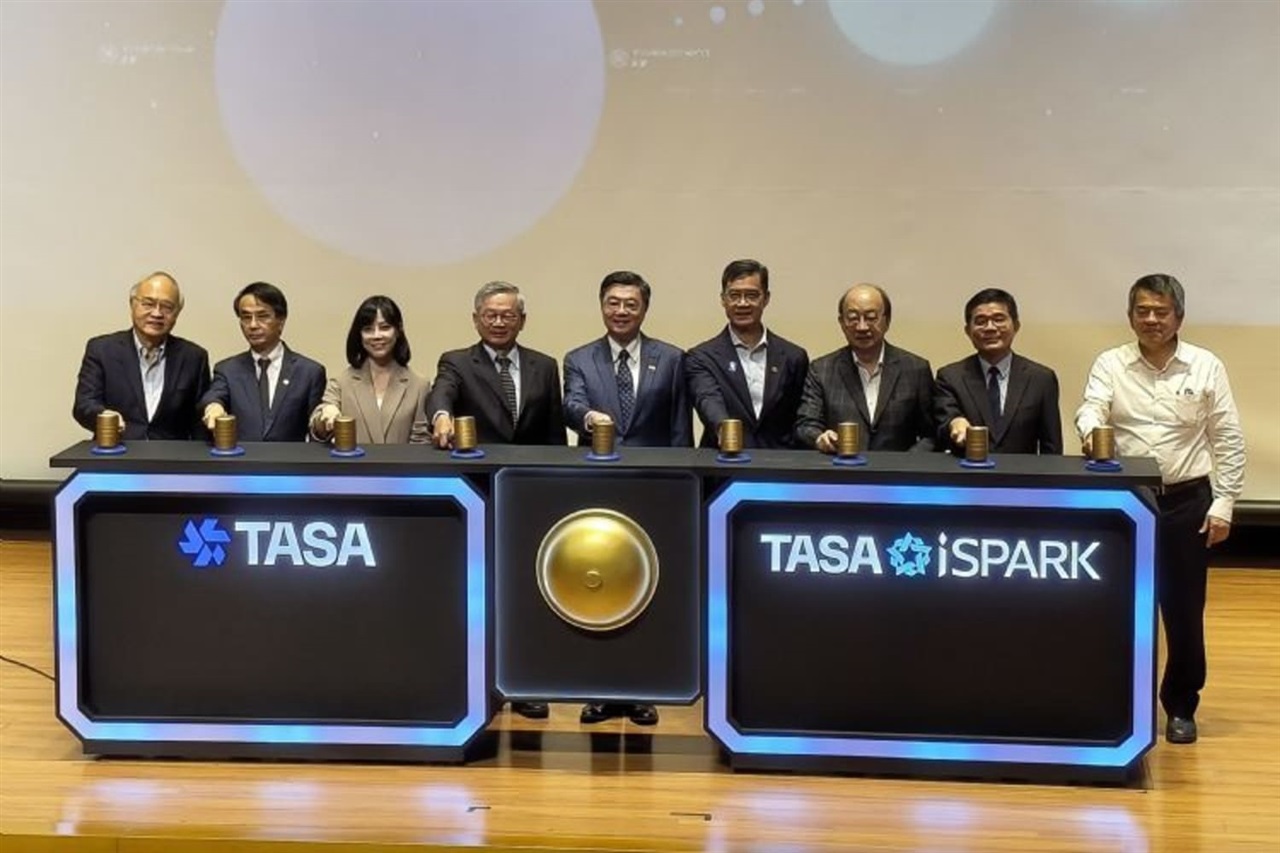
Taiwan's space agency opened a new startup accelerator called TASA iSPARK on July 31 in Hsinchu, leasing a full floor at a university building to create a hub linking research, industry, investment, and international partners.
The move aims to push Taiwan toward becoming a satellite original design manufacturer and strengthen its presence in the global space sector.
What happened
The Taiwan Space Agency (TASA) launched TASA iSPARK, a new space startup accelerator, on July 31 at National Yang Ming Chiao Tung University's Boai campus in Hsinchu. The center leased an entire floor in the Xianqi Hall building.
Why it matters
The accelerator is designed to connect research, industry, investment, and international partners—positioning Taiwan to strengthen its satellite original design manufacturing (ODM) capabilities and deepen its role in the global space economy.
What to watch
TASA iSPARK's ability to attract and scale startups, and whether it generates commercial partnerships that expand Taiwan's space supply chain beyond current players.
The Taiwan Space Agency formally opened TASA iSPARK on July 31 at National Yang Ming Chiao Tung University's Boai campus in Hsinchu, marking a new phase in Taiwan's effort to build a homegrown space technology sector. The accelerator occupies an entire leased floor in the Xianqi Hall building on the university grounds, creating a purpose-built space designed to serve as a nexus between research, industry, investment, and international partners. By co-locating startups with university researchers and connecting them to venture capital and foreign collaborators, TASA iSPARK is intended to lower friction in the startup-to-scale journey and speed the commercialization of space-related innovations. The accelerator's focus on advancing Taiwan's capabilities in satellite original design manufacturing—a field where Taiwan currently relies heavily on contract manufacturing—signals an ambition to move up the value chain and establish Taiwan as a leader in satellite design and production, not merely assembly.
The Taiwan Space Agency's opening of TASA iSPARK represents a formal institutional commitment to building a local ecosystem around space entrepreneurship. By establishing a dedicated physical hub at a major university, TASA is positioning itself as a nexus connecting academic research, private enterprise, capital, and foreign partners—the key ingredients for nurturing a commercially viable space-tech sector. Taiwan's existing strengths in semiconductor and electronics manufacturing make this accelerator a natural extension, potentially channeling those supply-chain capabilities into satellite hardware and services. The strategic emphasis on original design manufacturing suggests TASA aims not merely to host startups but to develop Taiwan's ability to design and build satellite components independently, reducing reliance on imported technology and creating a defensible competitive advantage in regional space markets.
AI-summarized, only the topics you pick — one digest a day via Email, Slack, or Discord.
Free · takes 30 seconds · unsubscribe anytime
Ask AI anything about this article. Q&As are published on this page for other readers too.
The AI news that matters, in one minute each morning.
Sign up free