What happened
Thinking Machines Lab, founded by former OpenAI CTO Mira Murati, is in talks to raise $5 billion to $6 billion at a pre-money valuation of at least $40 billion. Nvidia is discussing an investment of about $2.5 billion, with Accel reportedly set to lead the round.
Why it matters
The valuation is a major cut from the company's earlier aim of $50 billion to $60 billion, after a round collapsed and three co-founders returned to OpenAI. The deal is priced at 3.3 times its July 2025 seed round, which raised $2 billion at a $12 billion valuation led by Andreessen Horowitz.
What to watch
Nvidia's investment would follow its reported $12.9 billion acquisition of Hugging Face, its investment in SSI, and over $30 billion in Perplexity, suggesting the chipmaker is becoming a key capital allocator in AI model development. Thinking Machines also plans to deploy at least one gigawatt of Nvidia's Vera Rubin systems starting in early 2027.
Summaries like this, in your inbox every morning.
The reported talks mark a sharp reset for Thinking Machines Lab, which had previously sought a much higher valuation. The collapse of that earlier round, including the departure of three co-founders back to OpenAI, likely forced a more realistic approach. The new price still represents a 3.3 times increase over its July 2025 seed round, suggesting investors remain confident in the company's trajectory.
The involvement of Nvidia is a key signal. The chipmaker's reported $2.5 billion investment would follow a series of moves across the AI stack, from Hugging Face to SSI to Perplexity. This pattern points to Nvidia moving beyond selling chips to actively shaping which AI labs succeed, with hardware supply and capital increasingly intertwined.
Thinking Machines' open-weights strategy gives it a unique position among US labs, competing directly with Chinese models from DeepSeek, Moonshot, Qwen, and GLM. This distinction could command a premium for investors concerned about geopolitical risk, though it has not yet translated to the valuations the company once sought.
Pick your industry and the AI tools you use, and get news related to your work every day.
Free · 30 seconds with Google · unsubscribe anytimeWhat is AIToday? →
Ask AI anything about this article. The AI reads this article, earlier AIToday articles, and Wikipedia, and cites its sources. Q&As are published on this page for other readers too.
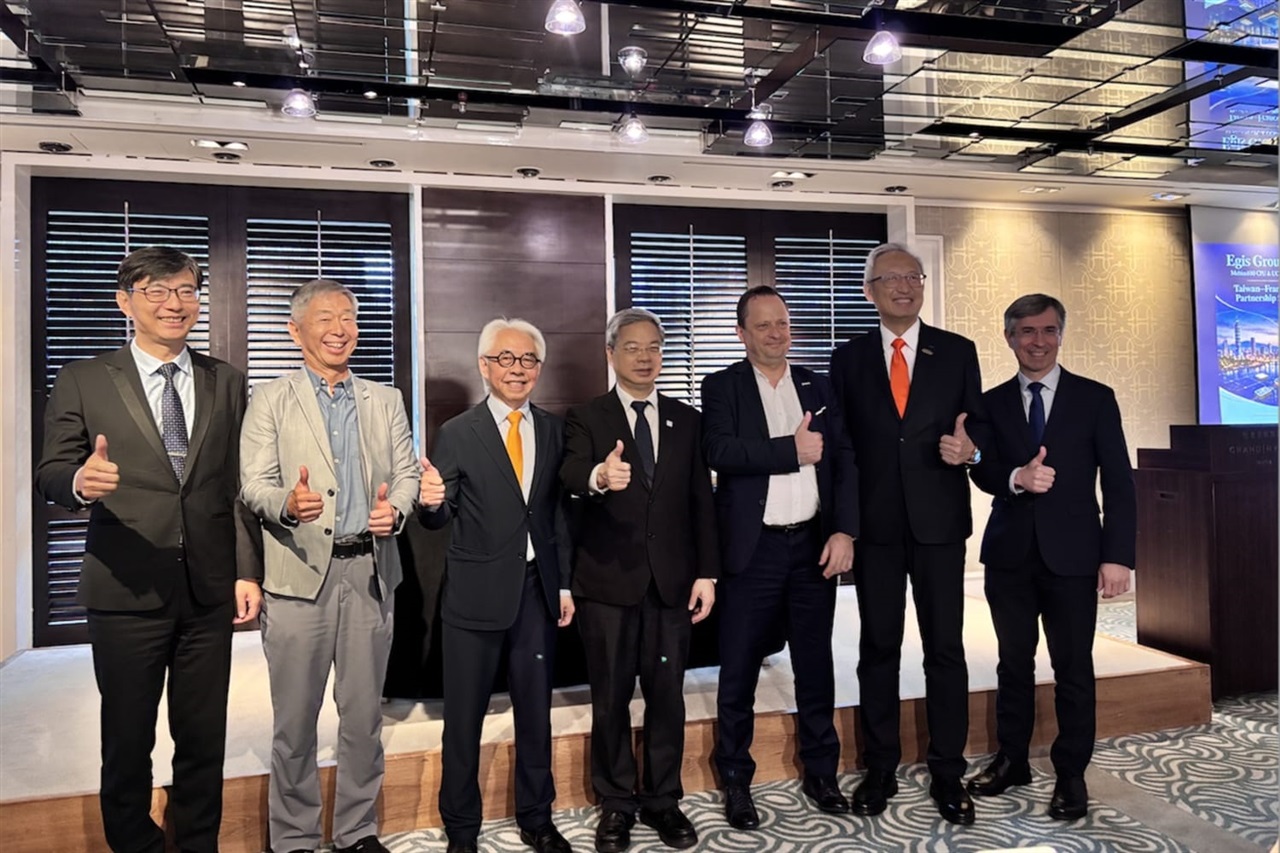
Egis Group and SiPearl formally signed a strategic CPU partnership at the Egis Group TechDay Taiwan-France cer…
Startups Electric Twin, Artificial Societies, GWI and Toluna are using data from real focus groups and surveys…

DeepSeek raised around $15 billion in one of China's biggest-ever financing rounds, after twice increasing its…
US stock futures and Asian markets fell on fears the AI boom is turning to bust, as an Australian data center…
Meta is creating a new class of nonvoting stock, first reported by Semafor, so Zuckerberg can issue shares for…
In a guest piece, Jacquard's Toby Coulthard says AI agents can now shop from a photo and budget, picking produ…