Neil Rimer, co-founder of the influential venture firm Index Ventures, warned in late May that the massive wealth generated by the AI boom will face "some sort of redistribution"—either through voluntary giving or government force. With the top 1% of U.S. households holding a record 31.7% of wealth and tech billionaires adding trillions in value, Rimer sees parallels to the Gilded Age, when philanthropist Andrew Carnegie's voluntary appeals eventually gave way to steep taxes under Franklin Roosevelt. Voluntary giving among the newly wealthy in AI is already stalling, and California is putting a 5% wealth tax on billionaires to a vote this year, setting the stage for the involuntary path Rimer hopes to avoid.
Summaries like this, in your inbox every morning.
Sign up free →What happened
Neil Rimer, co-founder of Index Ventures, said in late May that he expects "some sort of a redistribution" of the wealth accumulating around AI, either willingly or through government intervention. Index has raised roughly $15 billion(約2.4兆円) from outside investors since its founding, with last year's exits including Figma's IPO and Google's purchase of Wiz reportedly netting the firm roughly $9 billion(約1.4兆円).
Why it matters
Tech billionaire wealth concentration has reached levels not seen since the Gilded Age—the top 1% of U.S. households held 31.7% of wealth in Q3 last year (a Federal Reserve record since 1989), and the 19 richest households now command 14% of U.S. GDP, compared to 4% held by the four largest fortunes in 1910. Voluntary giving has stalled: the Giving Pledge added just four new signatories in all of 2024 (down from 113 in its first five years), and the share of Americans giving to charity fell for five straight years. Without voluntary redistribution, Rimer suggests, forced mechanisms—like California's proposed 5% wealth tax on billionaires or federal equity stakes in companies like OpenAI—may follow, as happened in the 1930s when steep taxes replaced failed philanthropy.
What to watch
California voters will decide this year on a 5% one-time wealth tax targeting billionaires; some wealthy residents, including Google founders Sergey Brin and Larry Page, have already moved to South Florida. OpenAI is reportedly considering going public in 2027, and critics note the timing may partly reflect the tax's calculation of net worth as of year-end. Forbes counted 45 new AI billionaires in its 2026 rankings alone, worth a combined $2.9 trillion(約460兆円), before Anthropic or OpenAI have gone public.
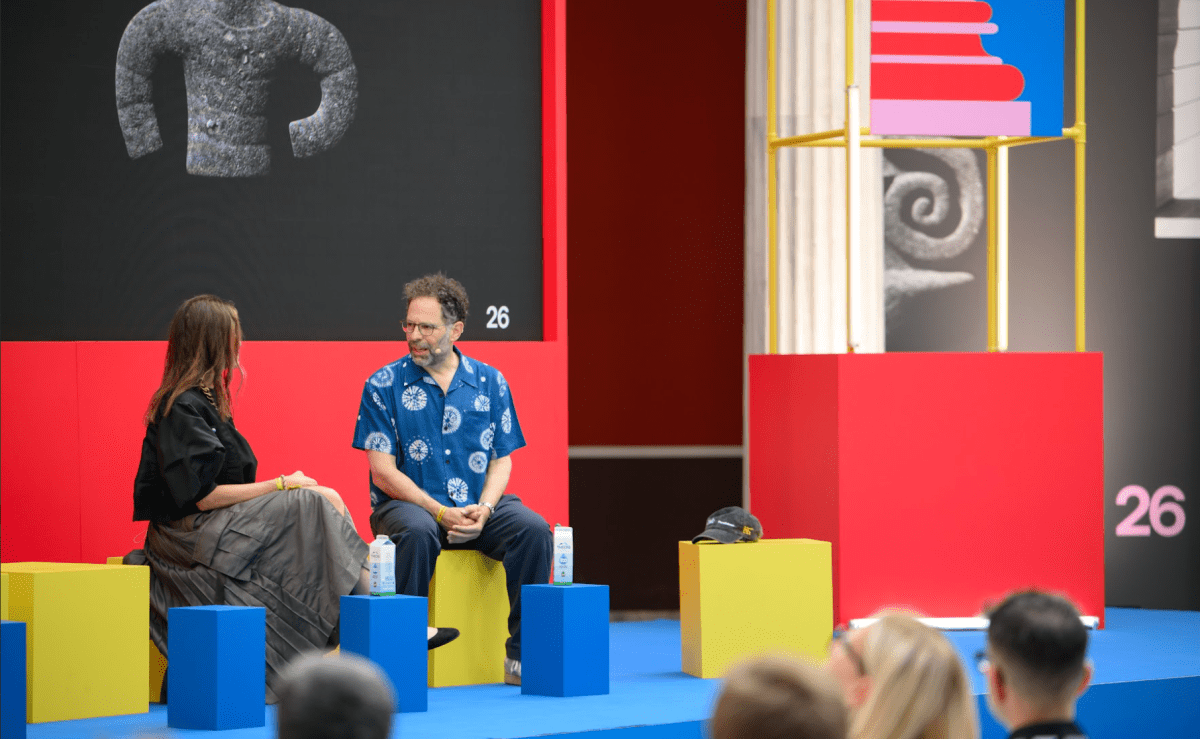
Neil Rimer, co-founder of Index Ventures, made a striking public comment in late May at a tech festival in Athens. Speaking with the author, Rimer said he has "a strong sense that there will be some sort of a redistribution" of the wealth piling up around artificial intelligence. "It'll either be voluntary or it'll be involuntary, but it'll happen, and I hope it's voluntary," he said, adding that tech leaders "can play a leading role in seeing that through." The remark stood out precisely because it came from Rimer—a veteran venture capitalist whose firm has raised roughly $15 billion(約2.4兆円) from outside investors since its founding. Last year alone, Index's exits, including Figma's IPO and Google's purchase of the cybersecurity firm Wiz, reportedly netted the firm roughly $9 billion(約1.4兆円).
Rimer's warning arrives as voluntary giving among the wealthy has stalled. The Giving Pledge, launched in 2010 by Warren Buffett and Bill Gates as a commitment from billionaires to give away at least half their fortunes to charity, added 113 signatories in its first five years, then 72, then 43, then just four in all of 2024, according to a New York Times report in March. The decline extends beyond the Pledge. Total American charitable giving hit a record $592.5 billion(約95兆円) in 2024, but the number of Americans actually giving fell for five straight years, down 4.5% in 2024 alone, per the Stanford Social Innovation Review. Two-thirds of households donated in 2000; roughly half do now. Even affluent-household giving has slipped, from 90% in 2017 to 81% last year. In Index's own portfolio, which includes Anthropic, this pattern appears starkly. Business Insider interviewed financial planner Alex Caswell, who works with newly wealthy Anthropic employees, many of them tied to effective altruism. Although Anthropic matches employee donations of up to 25% of their equity to charity, and some clients have used it, most were focused on angel investing or starting their own companies rather than pledging large sums to charity. "That's what I'm seeing more than the desire to become philanthropic," Caswell told the outlet.
With voluntary redistribution stalling, forced mechanisms are emerging. California voters will decide this year on a 5% one-time wealth tax targeting the state's billionaires. Some wealthy residents, including Google founders Sergey Brin and Larry Page, have already moved their primary residences to South Florida to hedge against it. OpenAI is reportedly considering going public in 2027, and critics note the tax's year-end calculation of worldwide assets as of this calendar year may factor into the timing. The firm has also reportedly discussed handing the federal government a 5% equity stake, an idea CEO Sam Altman has framed as sharing AI's upside with the public, though critics see it as a way to buy political cover. The wealth at stake is staggering. Elon Musk is worth just over $1 trillion(約160兆円) after SpaceX's IPO last month, making him the first person to reach that mark. Forbes counted 45 new AI billionaires in its 2026 rankings alone, worth a combined $2.9 trillion(約460兆円), before Anthropic or OpenAI has gone public. Business Insider notes that once those two firms complete their IPOs, their combined employees will hold enough wealth to buy nearly a third of all homes in the San Francisco metro area.
The concentration of wealth is historically extreme by some measures. The top 1% of U.S. households held 31.7% of wealth in the third quarter of last year—a record since the Federal Reserve began tracking the data in 1989—and this matched roughly what the other 90% of households outside the top decile held combined. It remains below the 45% the top 1% commanded at the Gilded Age peak in 1916. But when economists narrow the lens to the very richest, the picture flips. Renowned economist Gabriel Zucman calculates that at the height of the first Gilded Age around 1910, America's four largest fortunes were worth a combined 4% of U.S. GDP. Today, that same sliver of the population—now 19 households instead of four—is worth 14%. Rimer's invocation of voluntary versus forced redistribution echoes American history. In 1889, at the peak of the first Gilded Age, Andrew Carnegie published "The Gospel of Wealth," arguing that a rich man should treat his fortune as a trust to be distributed for the public good within his own lifetime, calling it a disgrace to die wealthy. That essay became the founding document of modern philanthropy and the intellectual ancestor of the Giving Pledge. But it did not hold off the alternative path for long. By the mid-1930s, Louisiana Senator Huey Long had built a national following behind "Share Our Wealth," demanding steep taxes on the rich to fund a guaranteed income for every American. Worried about losing working-class support to Long, Franklin Roosevelt pushed through what the press called the "soak-the-rich tax," raising the top marginal income tax rate as high as 79%. It redistributed less than Long demanded, but it remains the clearest example in American history of politically forced redistribution arriving once voluntary giving failed to adequately address the pressure building from inequality.
Rimer's comment about wealth redistribution carries unusual weight because he is a direct beneficiary of the AI windfall he says will eventually need to be shared, yet he is urging his peers to choose voluntary giving over forced taxation. The article situates this moment within American economic history: the top 1% now hold 31.7% of U.S. wealth (a Federal Reserve record since 1989), and the nation's 19 richest households command 14% of GDP—a share that dwarfs the 4% held by the four largest fortunes during the peak of the first Gilded Age around 1910. Yet voluntary giving, the traditional valve for such concentration, is closing. The Giving Pledge, which launched in 2010 as a landmark commitment from billionaires to give away half their fortunes, collected 113 signatories in its first five years and just four in all of 2024. Across the broader population, the share of Americans giving to charity has fallen for five straight years, and even affluent household giving has slipped from 90% in 2017 to 81% last year.
The article draws an explicit parallel to the 1930s, when Andrew Carnegie's "Gospel of Wealth"—the intellectual ancestor of the Giving Pledge—failed to address the pressure building from inequality, and Franklin Roosevelt's "soak-the-rich tax" raised the top marginal income tax rate to 79%. Today's policy proposals echo that era: California is preparing to put a 5% wealth tax to voters, and OpenAI has reportedly discussed ceding a 5% equity stake to the federal government. Some billionaires, including Google founders Sergey Brin and Larry Page, have already relocated to South Florida to hedge against such taxes. The article notes that among newly wealthy AI employees—many from Anthropic, a firm in Index's portfolio—the philanthropic instinct is notably absent; most are pursuing angel investing or starting companies rather than pledging fortunes to charity.
AI-summarized, only the topics you pick — one digest a day via Email, Slack, or Discord.
Free · takes 30 seconds · unsubscribe anytime
No discussion yet for this article
Get curated AI news from 200+ sources delivered daily to your inbox. Free to use.
Get Started FreeFree · takes 30 seconds · unsubscribe anytime
1 minute a day. The AI essentials.
200+ sources · Email / LINE / Slack