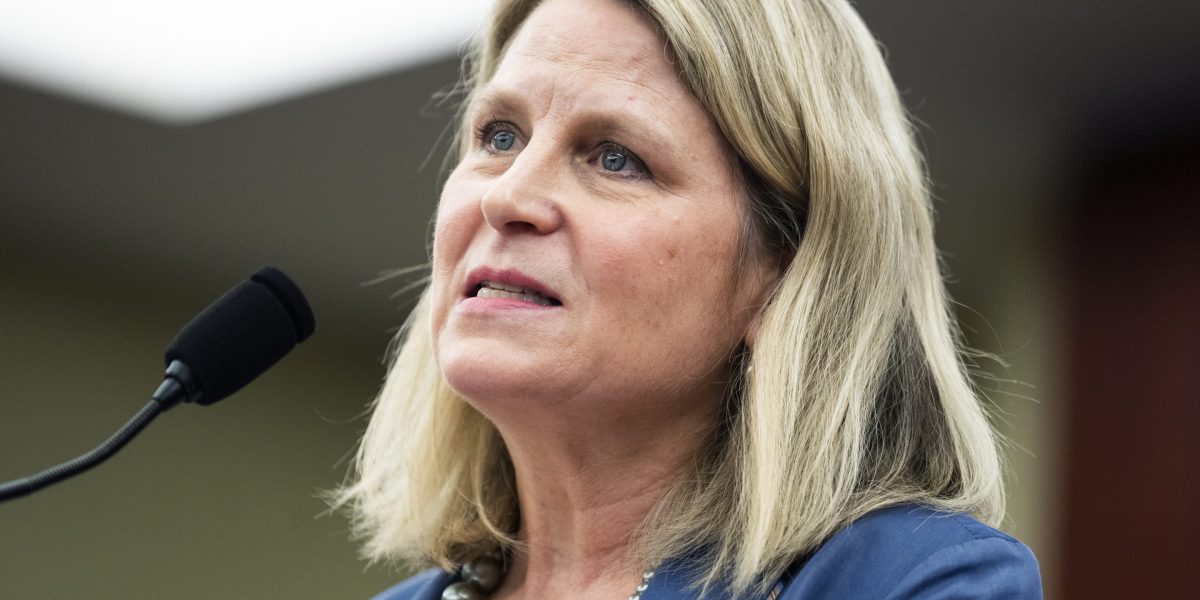
Shuler, president of the AFL-CIO (a federation of 65 unions representing 15 million workers), told Fortune that companies can either develop AI "pedal to the metal, slash and burn, no voice, no inclusion" or "partner together, get workers in the lab and develop technology" with input from people who do the work.
The AFL-CIO partnered with Microsoft in December 2023 after Shuler and Microsoft President Brad Smith found common ground on preparing workers for innovation; they now partner in areas like training and policies for responsible AI.
AFL-CIO has been fighting the Trump Administration on union-busting executive orders, DOGE cuts, ICE raids, Labor Secretary appointments, cuts to healthcare coverage, and ongoing attacks on the right to bargain, strike and organize. U.S. workers are taking home a record-low percentage of GDP as corporate profits soar.
Summaries like this, in your inbox every morning.
Pick your industry and the AI tools you use, and get news related to your work every day.
Free · 30 seconds with Google · unsubscribe anytimeWhat is AIToday? →
Ask AI anything about this article. The AI reads this article, earlier AIToday articles, and Wikipedia, and cites its sources. Q&As are published on this page for other readers too.

