Researchers present RecoverFormer, a fully end-to-end humanoid recovery policy that learns when and how to switch among recovery behaviors—including compensatory stepping, hand-environment contact, and center-of-mass reshaping—while maintaining robust performance under model mismatch.
The architecture combines a causal transformer over a 50-step observation history with a latent recovery mode (enabling smooth transitions among distinct recovery strategies) and a contact affordance head (predicting which environmental surfaces like walls, railings, and table edges are beneficial for stabilization).
When trained only on open floor and tested on Unitree G1 humanoid in MuJoCo, RecoverFormer transfers zero shot to walled environments, achieving 100% recovery success across 100–300 N pushes and across wall distances from 0.25–1.4m. Under zero-shot dynamics mismatch, it reaches 75.5% at plus +25% mass, 89% under 30 ms latency, 91.5% at low friction, and 99% under compound friction, latency and mass perturbation.
Summaries like this, every morning.
Pick your industry and the AI tools you use, and get news related to your work every day.
Free · 30 seconds with Google · unsubscribe anytimeWhat is AIToday? →
Ask AI anything about this article. The AI reads this article, earlier AIToday articles, and Wikipedia, and cites its sources. Q&As are published on this page for other readers too.
Amazon added AI agents to AWS Marketplace that find products, review contract terms, check vendor security and…

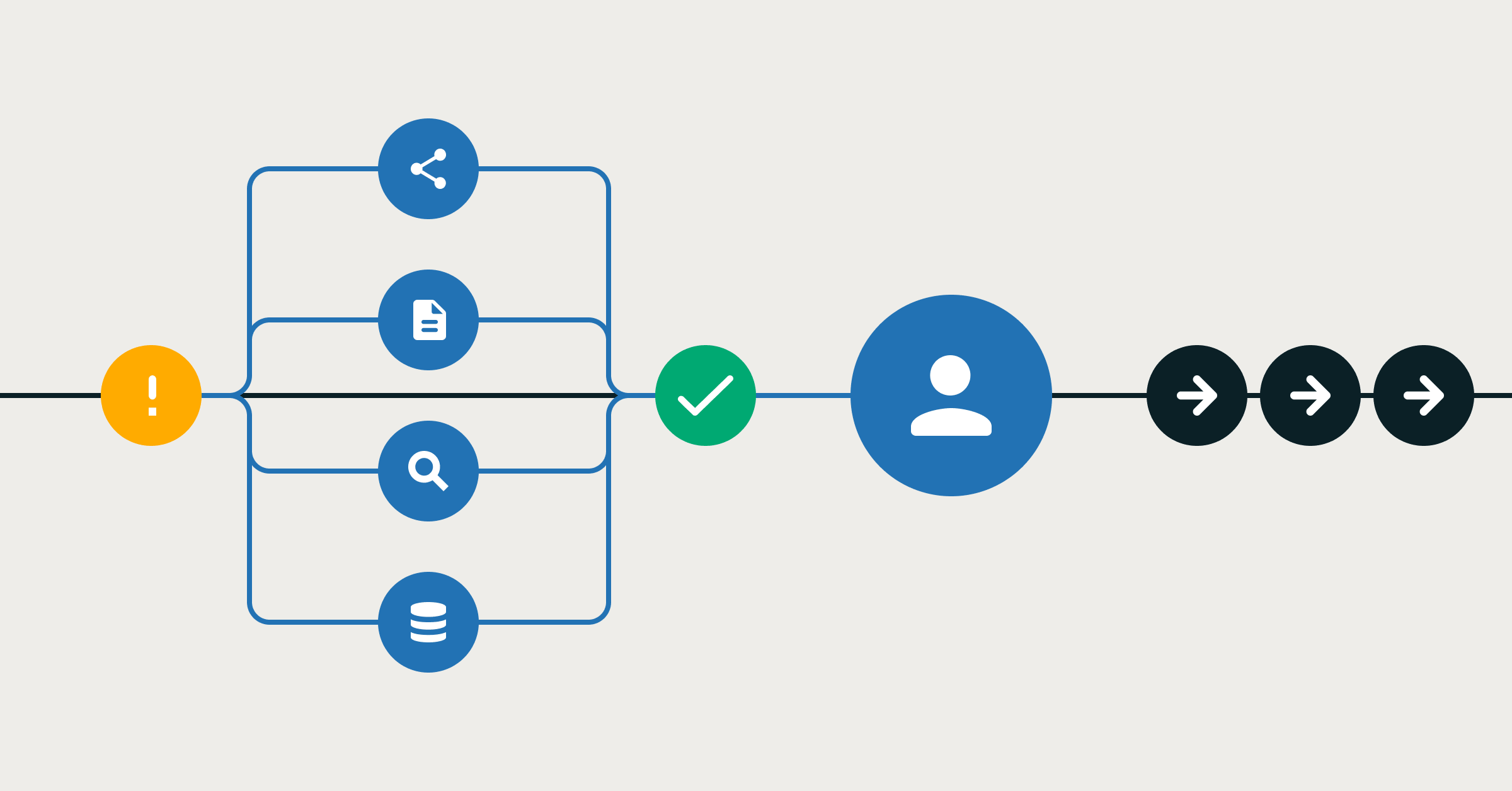
In a Databricks blog series, Principal Forward Deployed Engineer Molly Nagamuthu described four patterns — det…
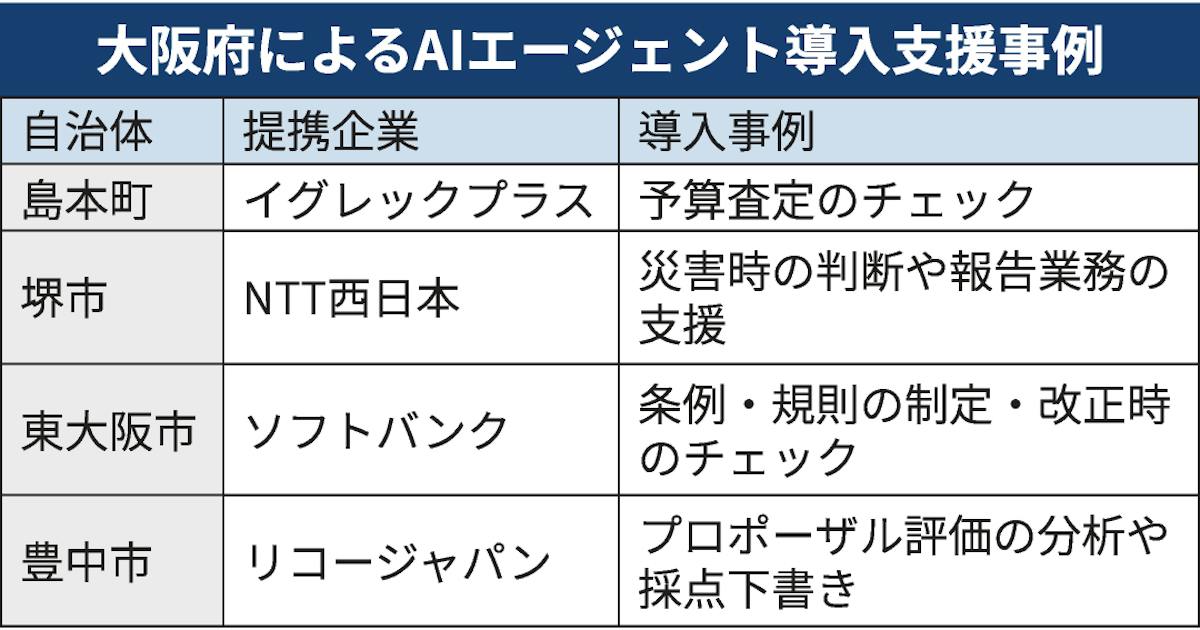
Osaka Prefecture is offering to help municipal governments adopt AI agents (software that acts on tasks autono…
On a post-earnings call, Tencent President Martin Lau said Commerce's Nov 16 interim rule curbing remote acces…

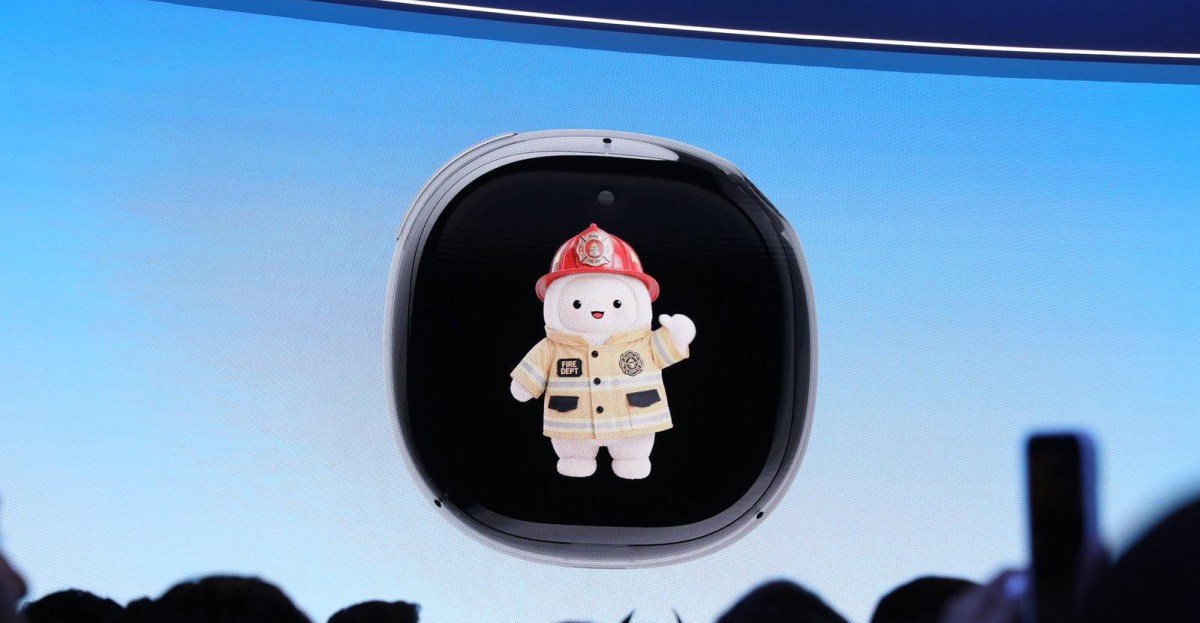
The Information reports Meta plans to price the Muse Charm, a small screen device for chatting with its Muse A…
Google added a collapsible sidebar to its desktop homepage worldwide, showing users' AI Mode search history wi…