What happened
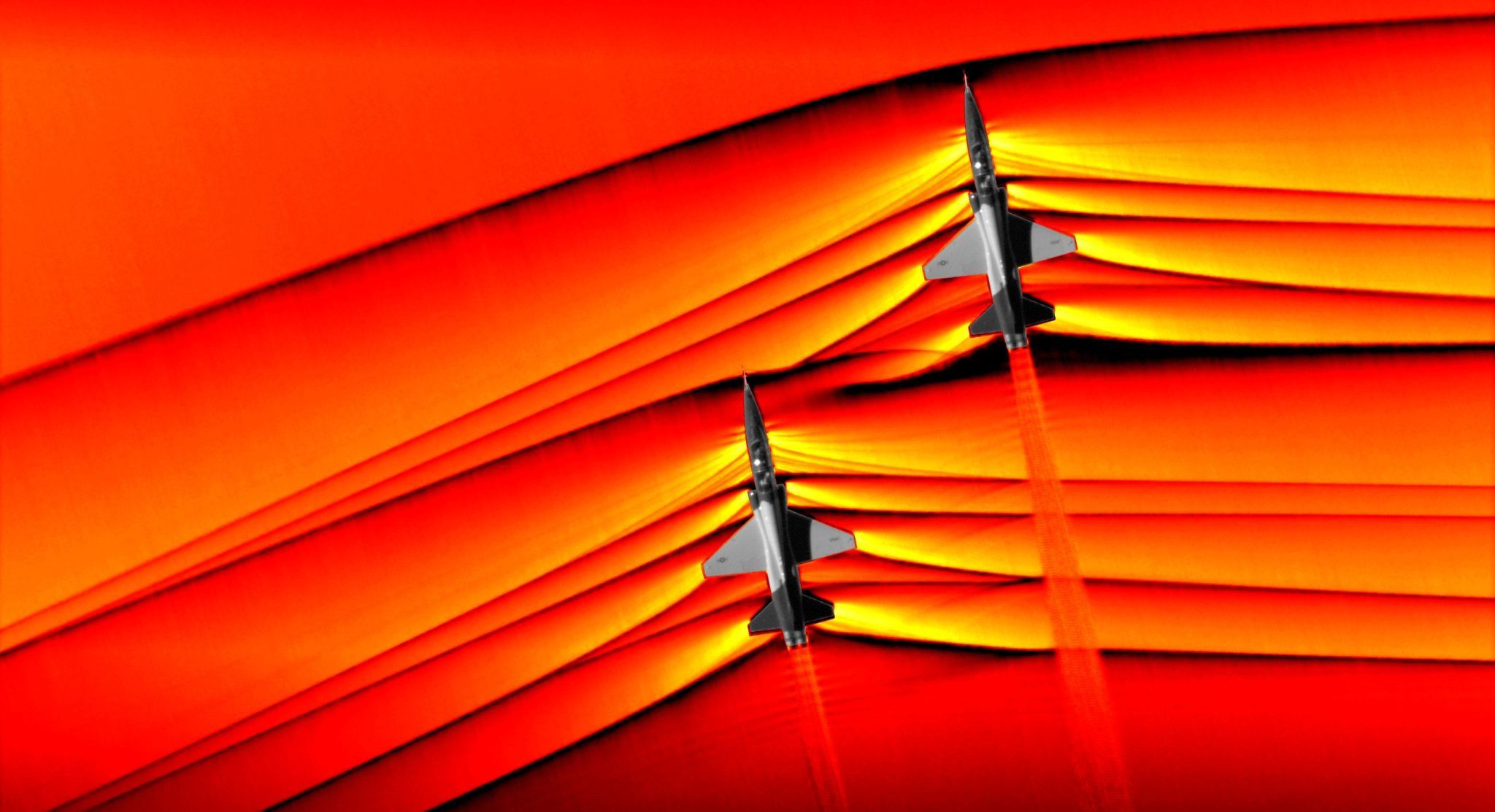
The Federal Aviation Administration is planning to change a 53-year-old ban on supersonic flight over the continental US. Rather than restricting speed itself, the new approach would limit noise instead, opening the door for quieter supersonic aircraft to operate legally.
Why it matters
The current ban prevented even hypothetically quiet supersonic jets from flying transcontinental routes because it targeted speed, not sound. For aircraft makers developing quieter supersonic technology, the shift from a blanket speed ban to noise-based rules removes a regulatory barrier that had made such aircraft economically unviable.
What to watch
The original ban was motivated by sonic booms—Concorde's double-bang sound was as loud as thunder, and military supersonic jets shattered windows in the 1960s. The FAA's move reflects confidence that near-future quieter supersonic aircraft are realistic possibilities worth regulating differently.
Summaries like this, in your inbox every morning.
Pick your industry and the AI tools you use, and get news related to your work every day.
Free · 30 seconds with Google · unsubscribe anytimeWhat is AIToday? →
Ask AI anything about this article. The AI reads this article, earlier AIToday articles, and Wikipedia, and cites its sources. Q&As are published on this page for other readers too.

