What happened
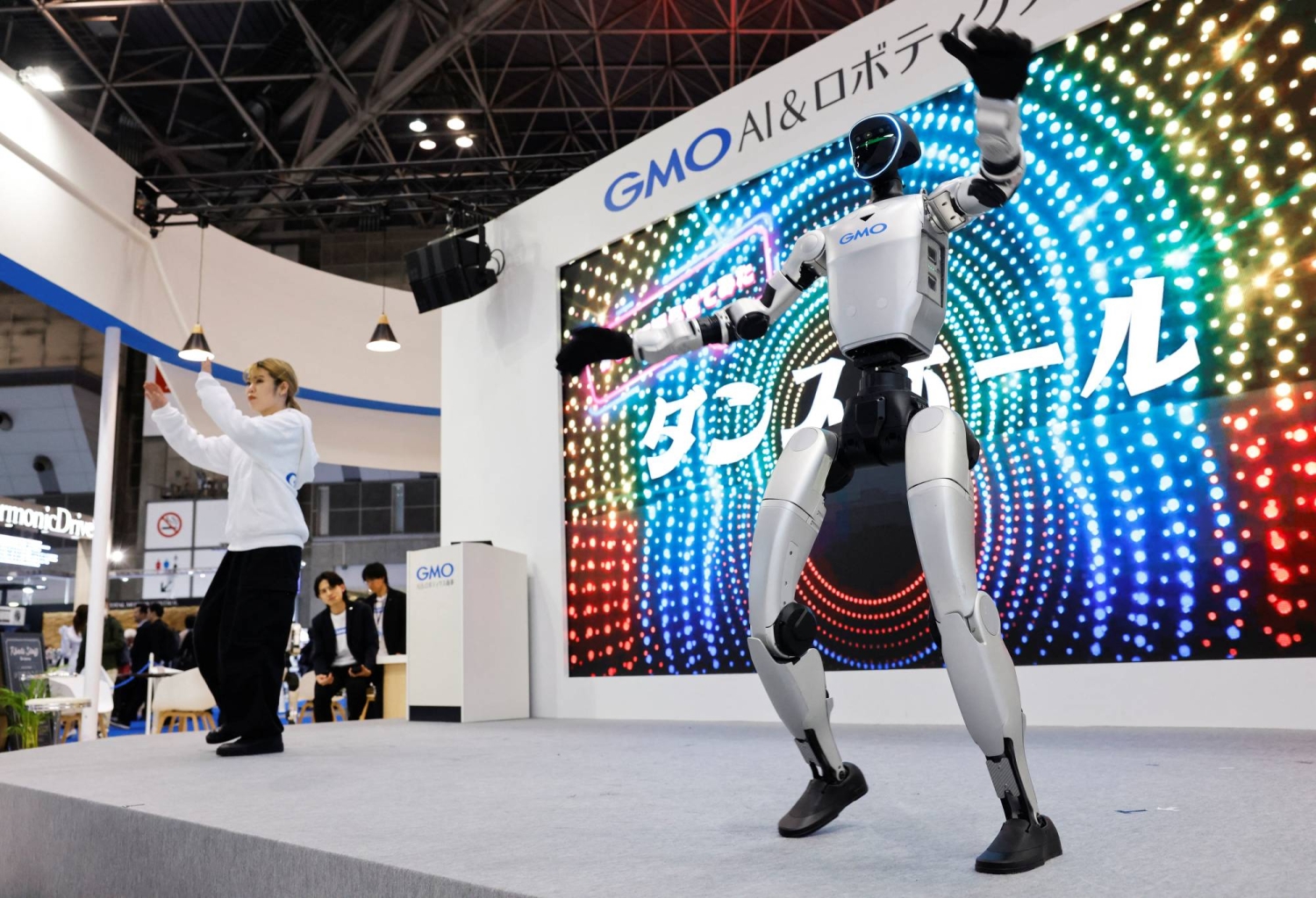
Prime Minister Sanae Takaichi announced at her New Year's news conference that Japan would harness operational data from its manufacturing and service sectors to advance physical AI—systems that allow robots to autonomously support human workers with precision. The AI Robot Association was established in 2025 to develop foundation models for AI-powered robotics, while government research calls have been launched for AI robotics and physical AI development.
Why it matters
Physical AI represents a fundamental shift from traditional industrial robotics, which perform rigid, pre-programmed tasks in controlled settings. The new systems can function flexibly in unfamiliar environments and unexpected situations without explicit programming of every movement—a capability that demands multimodal AI models, diffusion models, and large language models as the 'brain' rather than hardware alone. Japan's decades of manufacturing expertise could theoretically help it compete in this space, but observers note that value creation is increasingly shifting away from hardware and toward the AI foundation models that serve as the 'intelligence' of robotic systems.
What to watch
The critical tension is whether Japan can build competitive AI foundation models despite lagging in the global AI race. While the country retains strength in industrial robotics and manufacturing precision, physical AI requires software-centric innovation—a domain where hardware excellence alone no longer determines competitiveness. The outcome will depend on whether Japan's AI research efforts can close the gap in the model-building layer.
Summaries like this, in your inbox every morning.
Pick your industry and the AI tools you use, and get news related to your work every day.
Free · 30 seconds with Google · unsubscribe anytimeWhat is AIToday? →
Ask AI anything about this article. The AI reads this article, earlier AIToday articles, and Wikipedia, and cites its sources. Q&As are published on this page for other readers too.

