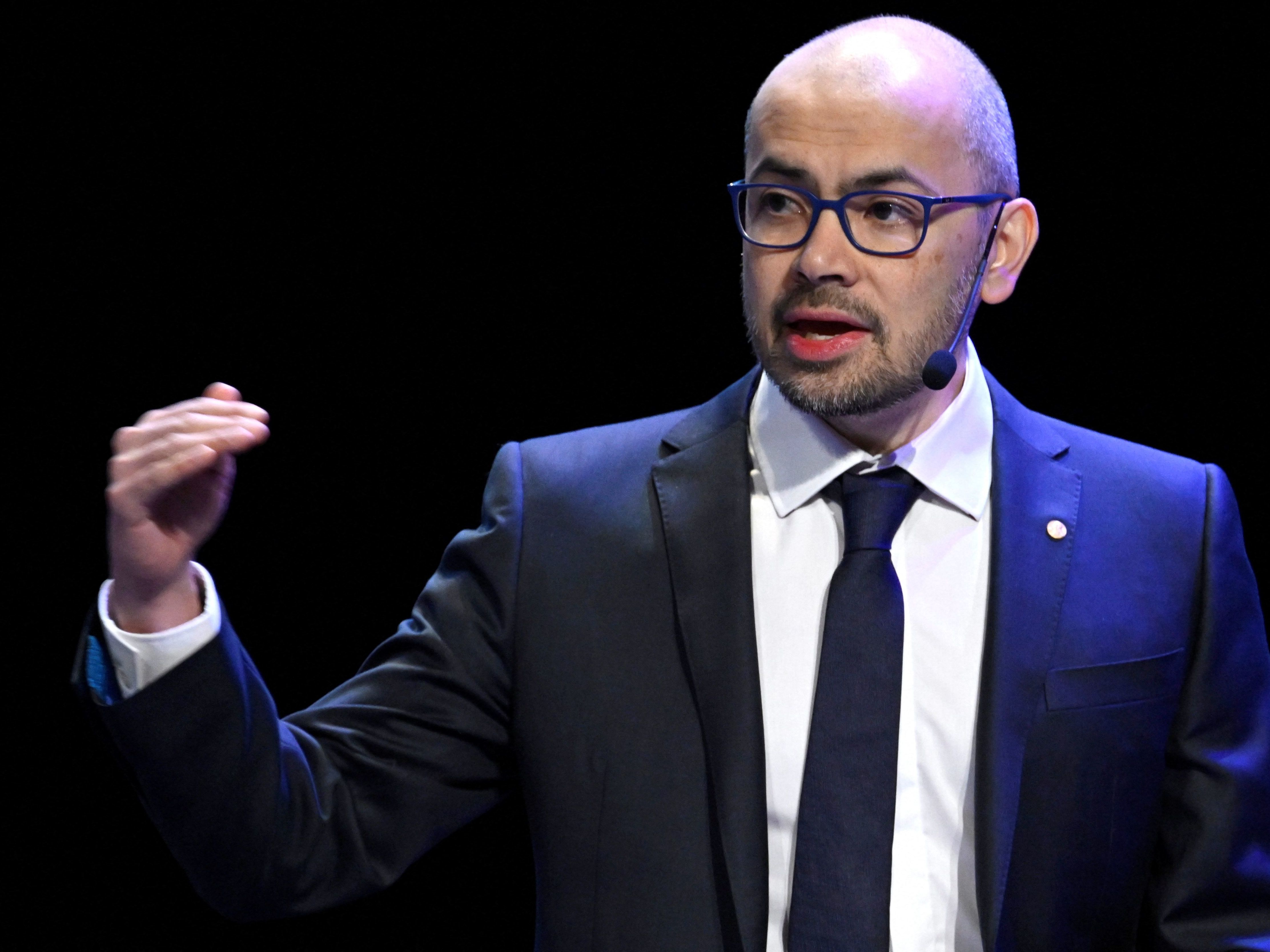
Google DeepMind's CEO Demis Hassabis is calling for government oversight and a potential coordinated pause in frontier AI research, arguing that competition between labs is amplifying safety risks. He proposes the US create a standards body to review new AI models 30 days before launch and coordinate slowdowns if major risks are found, positioning responsible development as essential for AI to deliver benefits comparable to the Industrial Revolution.
Summaries like this, in your inbox every morning.
Sign up free →What happened
Demis Hassabis, CEO of Google DeepMind, called for government oversight of frontier AI research and potentially a mandated pause, warning that competition between labs is increasing risks. He proposed the US establish a standards body that reviews new models 30 days before launch, with the ability to coordinate a "slowdown" if major risks emerge.
Why it matters
Hassabis argues that AI's impact will exceed the Industrial Revolution, but only if developed responsibly—and that the current race-to-the-top dynamic among labs is preventing the industry from taking adequate time to address safety concerns. His call aligns with a broader push by some researchers for coordinated international action on AI development.
What to watch
Hassabis' proposal includes a requirement that new models be shared with a standards body 30 days before public launch, giving regulators a window to assess risks before deployment.
Google DeepMind CEO Demis Hassabis has stepped into the ongoing debate over AI governance with a call for structured government oversight and the possibility of a coordinated pause in frontier AI research. In his statement, Hassabis warned that the current competitive dynamic—a race-to-the-top among labs—is exacerbating the risks posed by advanced AI systems. He characterized AI as heralding "a new age for humanity" that will exceed the transformative impact of the Industrial Revolution, but stressed that this outcome is only possible if the technology is deployed responsibly. The core problem, in his view, is that the industry and regulators are not "giving ourselves the time and space" to get AI development right.
Hassabis proposed a concrete regulatory framework centered on a US standards body. Under his proposal, all new frontier models would be shared with this standards body 30 days before their public launch, allowing regulators and experts to assess risks before deployment. Critically, if that review uncovered major risks, the framework would enable a "slowdown" to be coordinated among frontier labs—a form of industry-wide pause rather than a unilateral halt. This approach attempts to balance the need for safety oversight with the desire to maintain competitive innovation. Hassabis's intervention is notable because it comes from a leader at one of the world's most powerful AI labs, lending credibility to calls for coordinated safety measures. His position aligns with proposals advanced by other influential researchers, such as "Plan A," which similarly advocates for international collaboration and coordinated delays to ensure AI is developed safely. Together, these voices suggest a shift toward viewing responsible governance not as an obstacle to AI progress but as essential to realizing its full potential.
Hassabis's call for oversight and a potential pause reflects a growing tension in the AI industry between speed and safety. His position echoes concerns raised by other influential researchers, most notably through proposals like "Plan A," which advocates for international collaboration and coordinated delays in AI development. By framing AI's potential impact as exceeding the Industrial Revolution, Hassabis elevates the stakes of the safety debate—arguing that the technology's transformative power makes responsible governance not a constraint but a prerequisite for realizing its benefits. The proposal for a 30-day pre-launch review window with a standards body represents a middle path between unfettered competition and outright bans, attempting to preserve innovation while creating space for risk assessment. However, the feasibility of such coordination depends on buy-in from all major frontier labs, making this as much a call to industry as to government.
No discussion yet for this article
Get curated AI news from 200+ sources delivered daily to your inbox. Free to use.
Get Started FreeFree · takes 30 seconds · unsubscribe anytime
1 minute a day. The AI essentials.
200+ sources · Email / LINE / Slack
