What happened
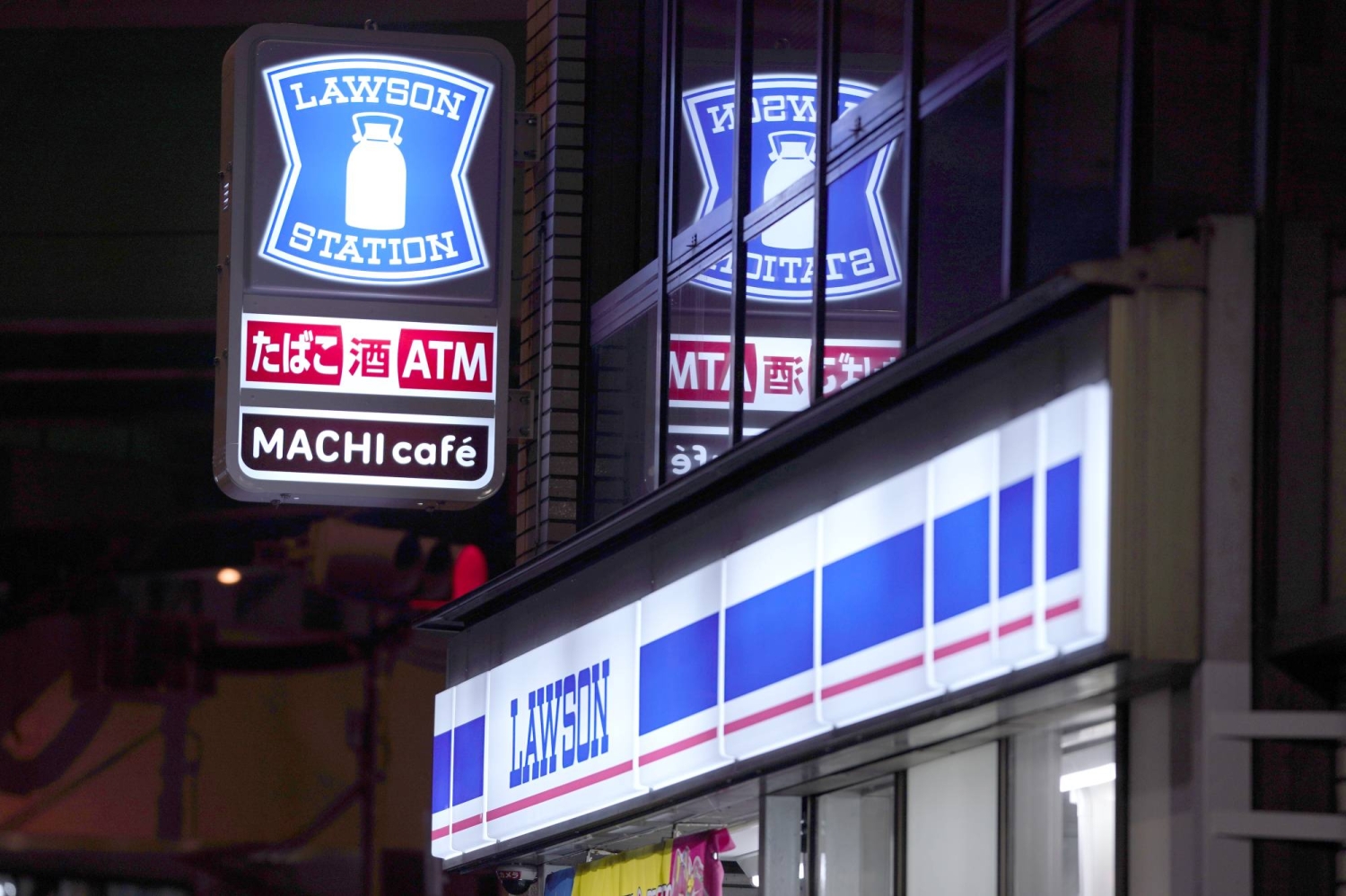
Lawson said Tuesday it will launch three AI-created items this month in Tokyo and neighboring regions, including a pickle-flavored lemon tart and a bread roll with red bean paste, margarine and yogurt cream.
Why it matters
The products were brainstormed by AI without relying on past sales figures or market data, suggesting convenience stores may test flavors that normal data-driven development would skip.
What to watch
Rival FamilyMart's AI-assisted canele pastry hits shelves nationwide next week after its July milk-cream biscuit test succeeded, so the test is whether unusual AI flavors actually sell.
WHO IT HITSConvenience store product development and merchandising teams are the clearest audience, since both Lawson and FamilyMart are using AI mainly for brainstorming while human specialists still handle product development. Shoppers in Tokyo and neighboring regions will see Lawson's items first, while FamilyMart's dessert goes nationwide.
Ask the AI about this article →
Summaries like this, in your inbox every morning.
Japan's convenience store chains compete on a constant churn of limited-time items, and both Lawson and FamilyMart are now testing AI as an idea generator rather than a sales forecaster. Lawson's approach is deliberately detached from past sales figures or market data, with the stated goal of generating ideas unconstrained by existing thinking, which is why a pickle-flavored lemon tart exists at all. FamilyMart's path is more incremental: it fed sales data into AI, and after a July test of a biscuit sandwich filled with thick milk cream proved a success, it decided to properly pursue AI in product development and plans more such items in the coming months.
Notably, neither company has handed product development entirely to machines. Human specialists remained involved at FamilyMart, and AI was used primarily for brainstorming. That division of labor is the practical takeaway: AI is being asked to widen the range of ideas, while people still judge what can actually be made and sold.
The stakes hinge on whether shoppers respond to novelty for its own sake. FamilyMart's upcoming nationwide canele launch, following its successful July test, will be one signal, while Lawson's Tokyo-area rollout tests whether an AI-generated theme like 'What on earth is this? But it's delicious.' translates into repeat purchases rather than one-time curiosity.
For example, today's edition would include:
AI-summarized, only the topics you pick — one digest a day via Email, Slack, or Discord.
Free · 30 seconds with Google · unsubscribe anytimeWhat is AIToday? →
Ask AI anything about this article. Q&As are published on this page for other readers too.
At SEMICON Taiwan 2026, Google outlined an AI infrastructure strategy focused on next-generation TPUs, with AI…

In an early August Substack post, Michael Burry reiterated short positions in Nvidia, Palantir, Micron Technol…

Anthropic CEO Dario Amodei published a 3,800-word essay, "We Must Pace the Frontier," urging policymakers to a…

OpenAI is talking to investors about a new funding round valuing it at $1.2 trillion, per the FT, which would…

LinkedIn's analysis of its platform data found millennials are 60% of new head of AI hires, earning a median $…

Ryukyu Bank announced it will partner with IBM Japan to apply AI to transform its business operations and trai…