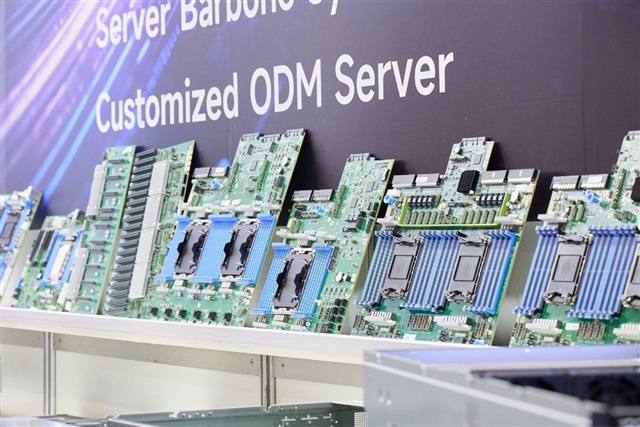
Global AI data center construction is accelerating demand for printed circuit boards and passive components, but material shortages and limited capacity expansion have created supply-chain bottlenecks. These constraints are reshaping lead times and availability expectations across the industry.
Summaries like this, in your inbox every morning.
Sign up free →What happened
The global expansion of AI data center construction is accelerating structural demand across printed circuit boards (PCBs) and passive components (discrete electronic parts). However, shortages of critical materials and insufficient capacity expansion have created new bottlenecks in the supply chain.
Why it matters
PCBs and passive components are essential infrastructure for data center hardware. As AI companies race to build out capacity, constrained supply can delay server production and increase costs for companies building or upgrading data center facilities.
What to watch
The article indicates this represents a shift to a "new normal" for lead times and availability — meaning businesses dependent on these components should expect sustained pressure on procurement timelines and pricing.
The article reports that AI data center construction worldwide is accelerating, creating sustained structural demand for PCBs and passive components — the foundational electronic building blocks of server and networking hardware. Rather than a temporary supply spike, the supply-chain stress represents a lasting shift in market dynamics. The core problem is twofold: critical materials are in short supply, and manufacturers have not expanded production capacity enough to meet the surge in data center orders. This mismatch between demand and supply has created what the article calls a "new normal" for lead times and component availability. The broader context is that hyperscalers competing to build AI infrastructure are competing for the same constrained supply of these components, intensifying pressure on procurement teams across the industry. The article does not provide specific timelines, pricing impacts, or recovery forecasts, but frames the situation as structural rather than cyclical — implying that buyers should adjust their planning assumptions around component availability and cost for the foreseeable future.
The article describes a structural shift driven by the wave of AI data center construction globally. As hyperscalers (large cloud providers operating data centers) scale infrastructure to support AI workloads, demand for the foundational electronics — PCBs and passive components — has surged beyond existing supply capacity. The body identifies two root causes: material scarcity and insufficient manufacturing expansion. This is framed not as a temporary shortage but as a "new normal," suggesting that supply-demand imbalance has hardened into a persistent constraint. For hardware makers, cloud operators, and their customers, this translates to extended procurement cycles and likely higher component costs, creating a structural cost pressure that may persist as long as data center capacity-building remains a priority.
AI-summarized, only the topics you pick — one digest a day via Email, Slack, or Discord.
Free · takes 30 seconds · unsubscribe anytime
No discussion yet for this article
Get curated AI news from 200+ sources delivered daily to your inbox. Free to use.
Get Started FreeFree · takes 30 seconds · unsubscribe anytime
1 minute a day. The AI essentials.
200+ sources · Email / LINE / Slack
