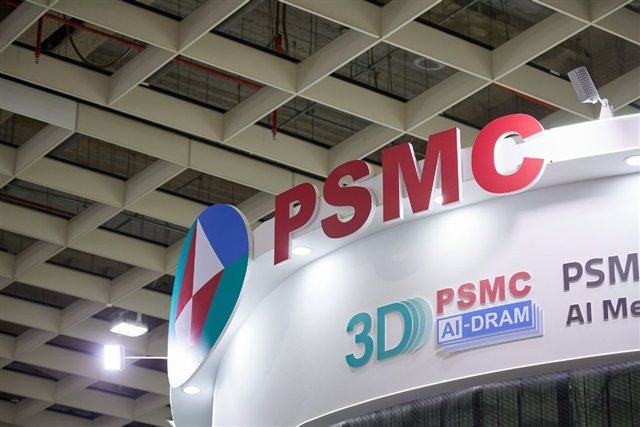
Powerchip Semiconductor Manufacturing has raised DRAM foundry prices by 45% in response to major cloud service providers front-loading future capacity purchases, with the global memory supply-demand imbalance expected to last through 2027. The price hike underscores tight DRAM availability and reflects structural demand from AI infrastructure buildout, while PSMC's 3D AI Foundry targets 20% of the company's revenue going forward.
Summaries like this, in your inbox every morning.
Sign up free →What happened
Powerchip Semiconductor Manufacturing (PSMC) lifted DRAM foundry prices by 45%, citing major cloud service providers front-loading purchases of future DRAM capacity. The global memory supply-demand gap is expected to persist through 2027, PSMC stated on a July 14, 2026, earnings call.
Why it matters
The price increase reflects structural tightness in DRAM supply as large cloud operators secure future capacity. For businesses reliant on DRAM—especially AI infrastructure builders—sustained supply pressure and higher costs through 2027 could meaningfully affect capex budgets and hardware procurement timing.
What to watch
PSMC's 3D AI Foundry business targets a 20% revenue share, signaling the company's pivot toward AI-focused memory manufacturing as a growth driver alongside traditional DRAM foundry services.
Powerchip Semiconductor Manufacturing announced a 45% increase in DRAM foundry prices on July 14, 2026, during an online earnings call. The price hike is being driven by major cloud service providers aggressively front-loading purchases of future DRAM capacity, reflecting their concern about sustained supply tightness. According to PSMC's guidance, the global memory supply-demand gap is expected to last through 2027, suggesting that near-term relief in DRAM availability is unlikely.
The timing of this announcement signals a broader industry dynamic: as cloud operators and AI infrastructure builders compete for limited DRAM supply, they are willing to commit capital today to secure tomorrow's capacity. This behavior is typical of commodity cycles when buyers expect further price appreciation or stock-outs. For PSMC, the price increase is a reflection of both strong demand and limited production capacity relative to forward orders.
Beyond the traditional DRAM foundry business, PSMC is positioning itself to capture share in AI-focused memory manufacturing through its 3D AI Foundry unit, which targets 20% of the company's revenue. This strategic emphasis underscores how semiconductor foundries are adapting their product portfolios and pricing power in response to the AI infrastructure boom.
The 45% price increase by PSMC reflects a structural shift in DRAM demand driven by artificial intelligence infrastructure expansion. Major cloud service providers have begun front-loading purchases of future DRAM capacity—a sign that they anticipate sustained supply constraints and want to lock in current or near-term pricing before further tightening. This behavior, combined with the company's forecast that the supply-demand gap will persist through 2027, suggests the DRAM market faces multi-year pressure rather than a near-term cyclical correction.
PSMC's simultaneous emphasis on its 3D AI Foundry—targeting 20% of revenue—indicates the company is repositioning itself to capture higher-margin, AI-focused memory manufacturing. This move acknowledges that traditional DRAM foundry services alone are insufficient to meet growth and profitability targets in an era where AI compute is reshaping semiconductor demand hierarchies.
AI-summarized, only the topics you pick — one digest a day via Email, Slack, or Discord.
Free · takes 30 seconds · unsubscribe anytime
No discussion yet for this article
Get curated AI news from 200+ sources delivered daily to your inbox. Free to use.
Get Started FreeFree · takes 30 seconds · unsubscribe anytime
1 minute a day. The AI essentials.
200+ sources · Email / LINE / Slack
