What happened
CoreWeave, an AI cloud provider, has seen its stock fall from a 52-week high of $153.20 to $72.91 as of Thursday. Revenue surged 112% year-over-year to $2.1 billion(約3400億円) in Q1, but interest expense more than doubled to $536 million(約860億円) (from $264 million(約420億円) in the prior year), and net loss widened to $740 million(約1200億円) from $315 million(約500億円).
Why it matters
The company borrows heavily to build data centers, and that debt service is growing about as fast as the business itself—a dynamic that is pressuring the stock. Additionally, Meta Platforms is planning an internal cloud business called Meta Compute to sell surplus AI computing capacity, which directly competes with CoreWeave's core offering, even though Meta is one of CoreWeave's largest customers under an agreement worth about $21 billion(約3.4兆円) through 2032.
What to watch
CoreWeave's revenue backlog reached $99.4 billion(約16兆円) as of March 31 (the strongest bookings quarter in company history), and management believes active power will exceed 8 gigawatts by 2030 (up from 1 gigawatt in Q1). Investors are waiting for evidence that this backlog converts into revenue at healthy margins and that interest costs grow far more slowly, proving the debt-heavy model can scale toward profitability.
Ask the AI about this article →
Summaries like this, in your inbox every morning.
CoreWeave is caught in a bind that reveals a structural tension in the high-growth, capital-intensive AI infrastructure business. The company's revenue growth (112% year-over-year to $2.1 billion(約3400億円) in Q1) would normally be celebrated, and its $99.4 billion(約16兆円) backlog shows genuine customer demand. Yet the financing model underlying this growth is becoming a liability: interest expense more than doubled to $536 million(約860億円) while net losses expanded to $740 million(約1200億円). The market is punishing CoreWeave not for lack of demand but for the cost of serving it.
The Meta Compute announcement on July 1 crystalized investor anxiety. Meta is simultaneously CoreWeave's largest customer (under a $21 billion(約3.4兆円) commitment through 2032) and now a future competitor. This threatens the margin story—even if CoreWeave converts its backlog, it may do so against a customer-turned-rival that has vastly deeper pockets and can amortize AI infrastructure across its own business. The stock's 52% decline from $153.20 reflects the market's bet that CoreWeave will struggle to prove its debt-heavy model can reach sustainable profitability before cash costs overwhelm the top-line story.
For example, today's edition would include:
AI-summarized, only the topics you pick — one digest a day via Email, Slack, or Discord.
Free · 30 seconds with Google · unsubscribe anytimeWhat is AIToday? →
Ask AI anything about this article. Q&As are published on this page for other readers too.
LG is turning its appliance know-how into a push for robot actuators, aiming to be a supplier as humanoid robo…

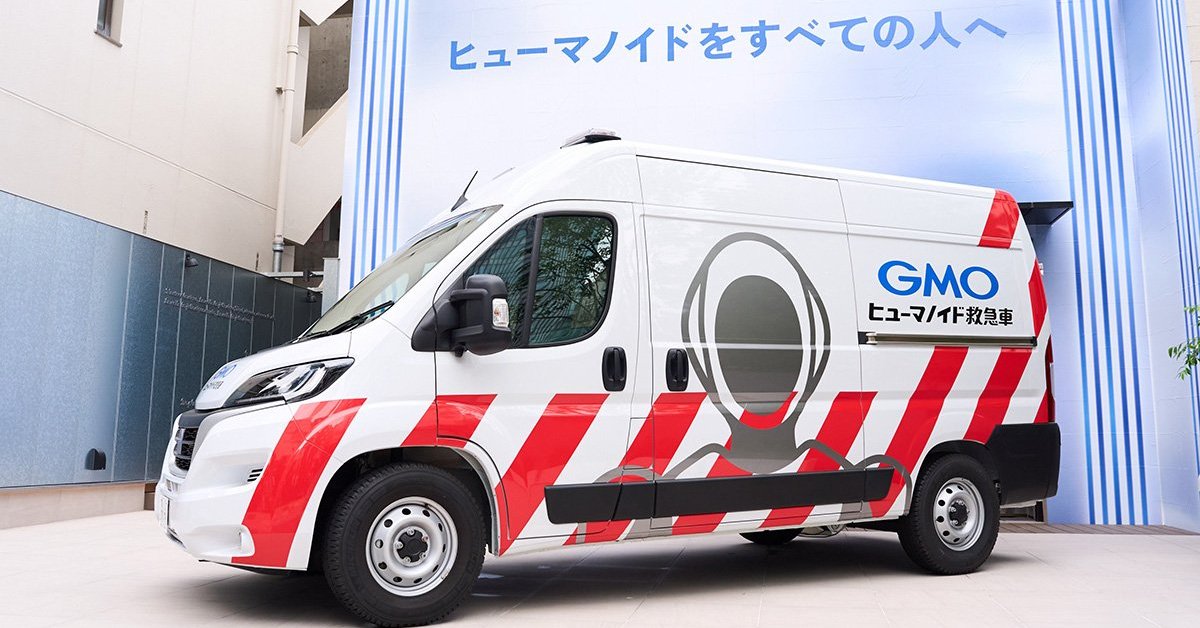
GMO AI&Robotics Trading announced on September 8 it will deploy the 'GMO Humanoid Ambulance,' described as Jap…
Reuters reported, citing sources, that Anthropic is expected to begin IPO marketing as early as mid-October an…

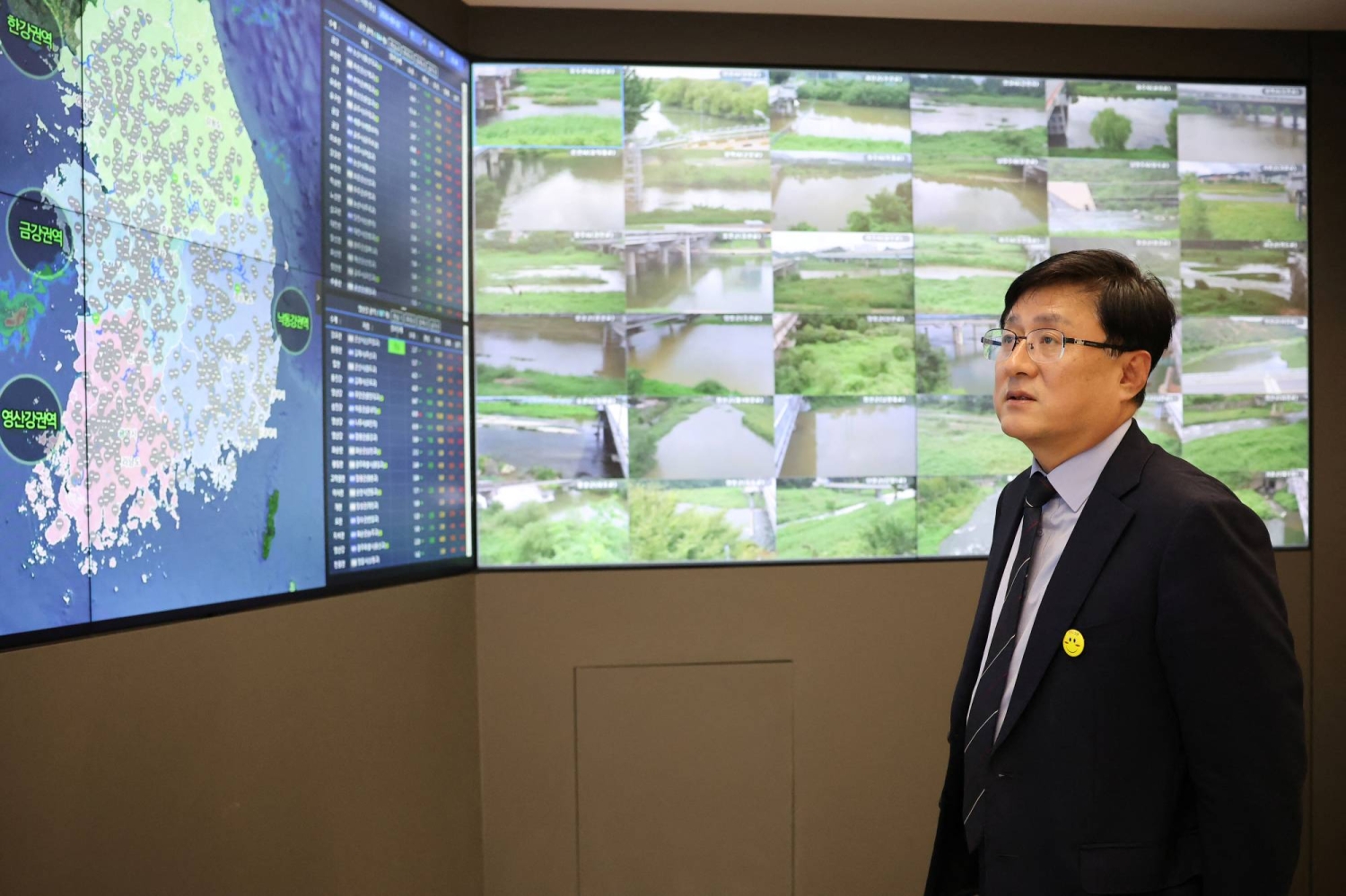
South Korea's energy minister said AI-driven power needs will lift power demand by 25 to 30 gigawatts, citing…
Mistral AI closed a 3 billion euro Series D round, led by Samsung Electronics, with co-leads Scaleup Europe Fu…
Samsung Electronics held the opening ceremony for an AI semiconductor research hub in Yokohama on the 8th