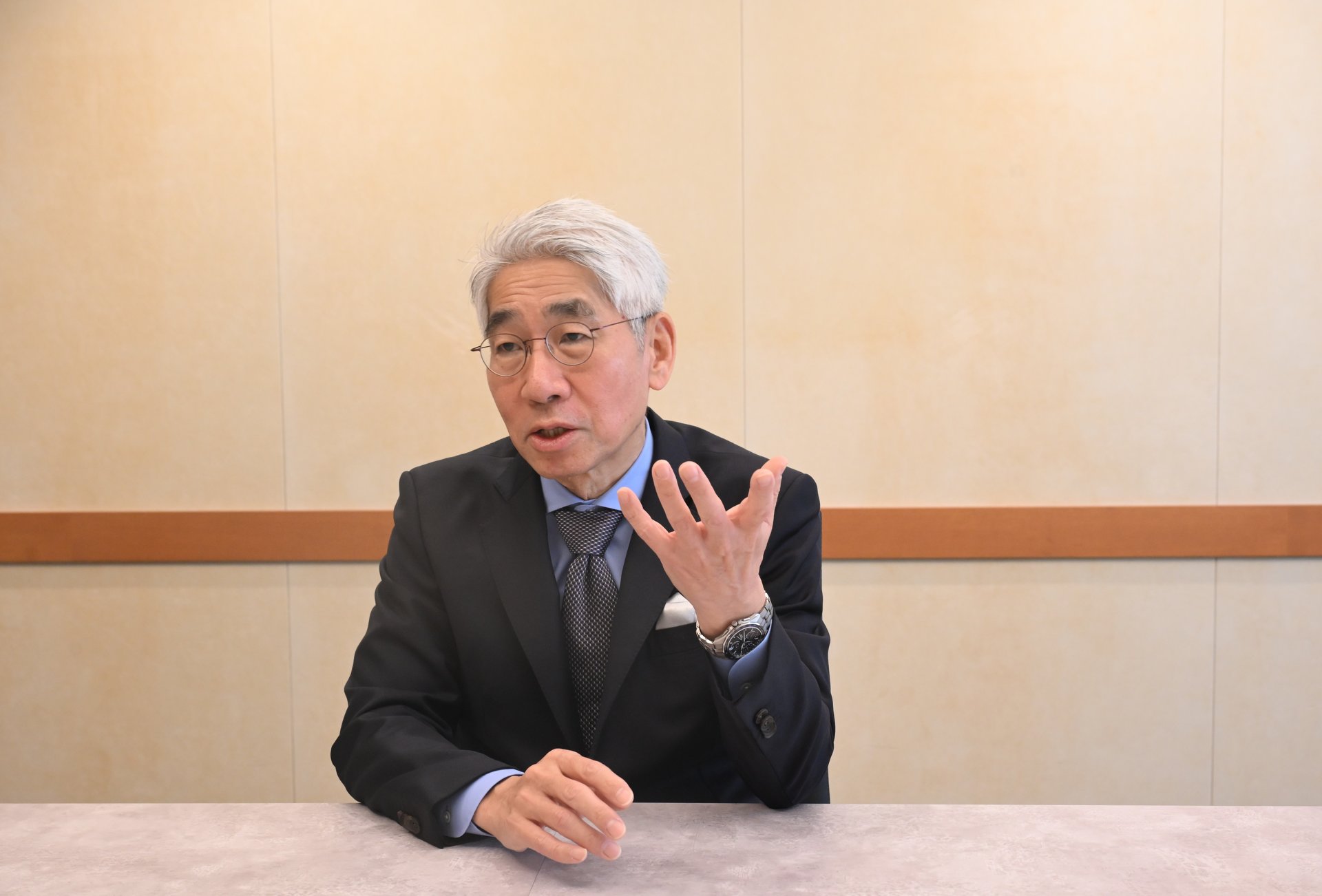
NEC has partnered with Anthropic to integrate Claude, an AI language model, into its enterprise solutions while maintaining what CEO Tsutomu Suzuki calls "four sovereignties"—control over data, technology, business decisions, and human oversight.
Although the partnership was negotiated in just three months, Suzuki is insisting that NEC retain the ability to customize and secure the AI for Japanese regulatory and business requirements, rather than simply adopting Anthropic's standard global offerings.
This reflects a broader challenge for Japanese enterprises: adopting cutting-edge global AI while preserving independence over critical systems.
What happened
NEC has entered a global partnership with Anthropic (the maker of Claude, an AI that understands and generates text) to develop and deploy Claude within NEC's enterprise solutions. The partnership includes access to Claude Mythos, a large language model, which NEC plans to use as a foundation for building AI applications tailored to its customers.
Why it matters
NEC President and CEO Tsutomu Suzuki is emphasizing that the partnership does not compromise what he calls "four sovereignties" — data sovereignty, technology sovereignty, business sovereignty, and human sovereignty. Even as AI leaders like Google and OpenAI make their models widely available, Suzuki believes enterprises need assurance that they can control security, customize models for their own systems, and maintain transparency about how AI decisions are made. For Japanese companies evaluating AI partnerships, this signals that partnerships with global AI firms can coexist with domestic control over critical systems.
What to watch
Suzuki completed the partnership negotiation in just three months despite Anthropic's preference for standardized global terms. He is now focused on ensuring NEC can adapt Claude Mythos to meet Japan-specific security and regulatory requirements, and on understanding how Anthropic's technology roadmap will evolve. Access to the latest AI models and clear governance frameworks for their use within NEC's systems remain key priorities.
Ask the AI about this article →
NEC's partnership with Anthropic represents a deliberate attempt to balance access to world-class AI technology with the preservation of Japanese enterprise control and regulatory compliance. While Anthropic—like Google with Gemini and OpenAI with their models—has built Claude to be accessible across a wide range of customers, Suzuki is negotiating for something different: the ability to adapt the model to NEC's own systems and security standards rather than adopting a one-size-fits-all offering. This points to a deeper tension in the AI industry. Global AI leaders have optimized for speed and scale by standardizing their model deployments, but Japanese enterprises and regulators increasingly require the ability to understand, customize, and govern the AI systems embedded in their critical business processes.
Suzuki's emphasis on "four sovereignties" is not merely rhetorical. It reflects real business risks: data breaches if customer information flows through global cloud infrastructure without clear controls, vendor lock-in if the AI model cannot be customized to Japanese regulatory requirements, and loss of strategic autonomy if business-critical AI decisions are opaque or centrally controlled by a U.S. company. By completing the negotiation in three months despite Anthropic's standard terms, Suzuki has signaled both urgency (NEC cannot afford to fall behind in AI deployment) and leverage (Anthropic sees value in the Japanese enterprise market).
The outcome suggests that large Japanese companies may be able to negotiate middle-ground partnerships with global AI firms—adopting their technology while carving out space for domestic governance, security review, and customization. However, success will depend on whether NEC can actually build the internal expertise and security infrastructure to manage that boundary without creating bottlenecks or costs that offset the partnership's benefits.
For example, today's edition would include:
AI-summarized, only the topics you pick — one digest a day via Email, Slack, or Discord.
Free · takes 30 seconds · unsubscribe anytimeWhat is AIToday? →
Ask AI anything about this article. Q&As are published on this page for other readers too.
Phonely Ltd. launched Alma, a large language AI model built for voice agents and trained on over 10 million re…

Aranya Inc., a startup founded last year, launched today with $11 million in funding

CBTS Technology Solutions LLC launched Forge Agents, a platform that turns a plain-language job description in…

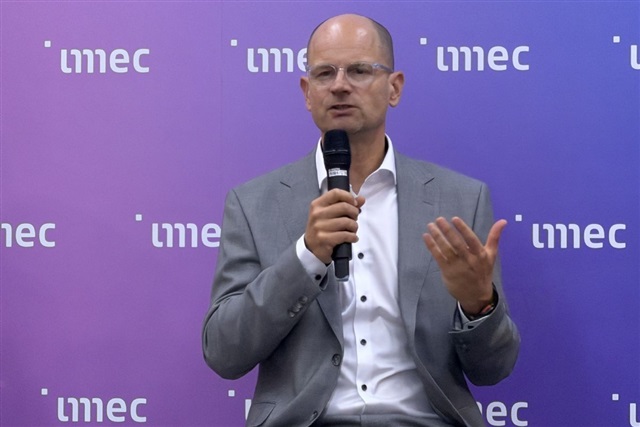
Imec CEO Patrick Vandenameele said at SEMICON Taiwan 2026 that the Belgian research center is broadening its c…
Alphabet's AI Overviews now reach over 2.5 billion monthly users through Google Search, and its ad business ge…
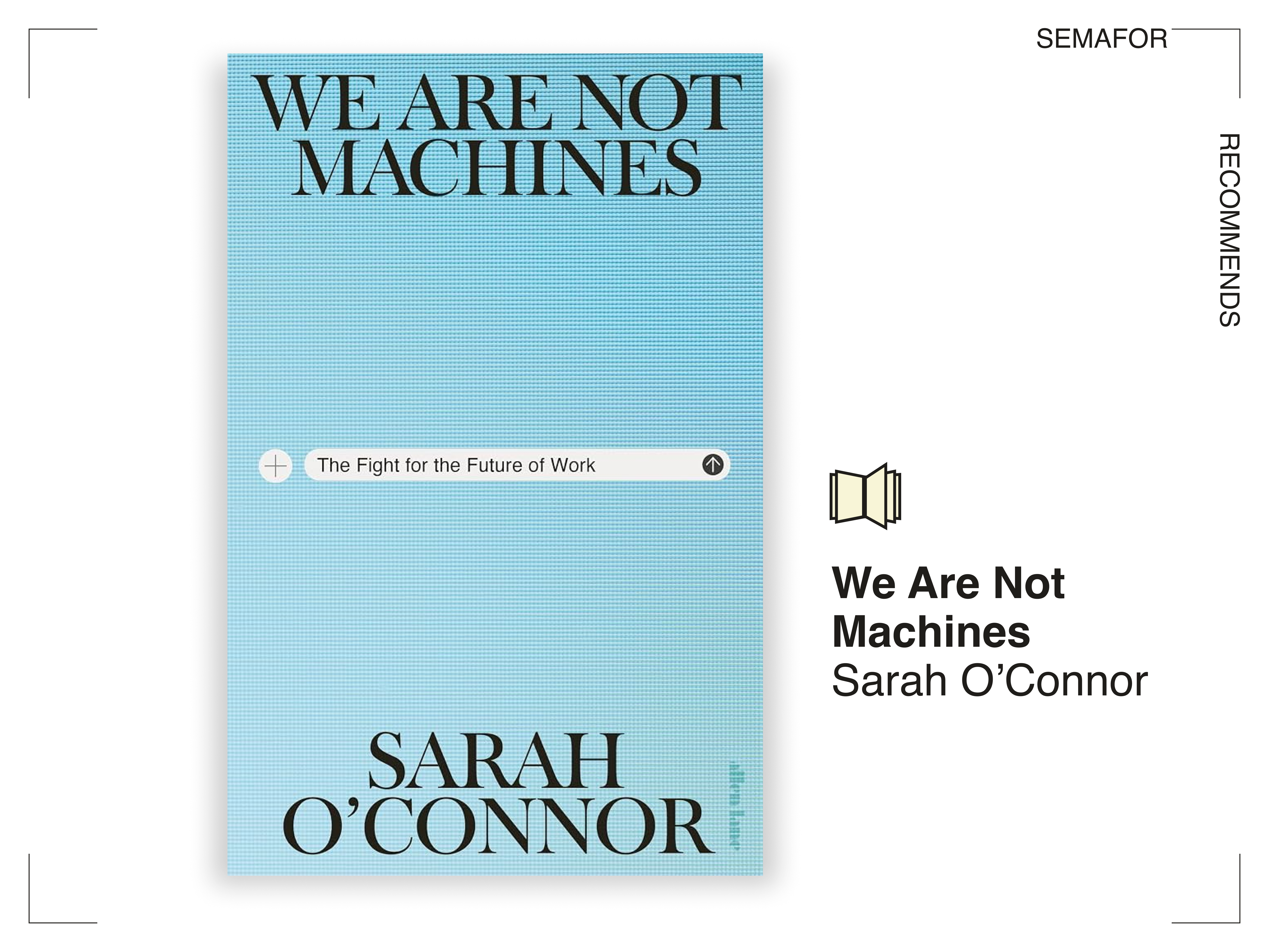
Sarah O’Connor's book 'We Are Not Machines' explores how mechanization and AI have transformed the workforce…