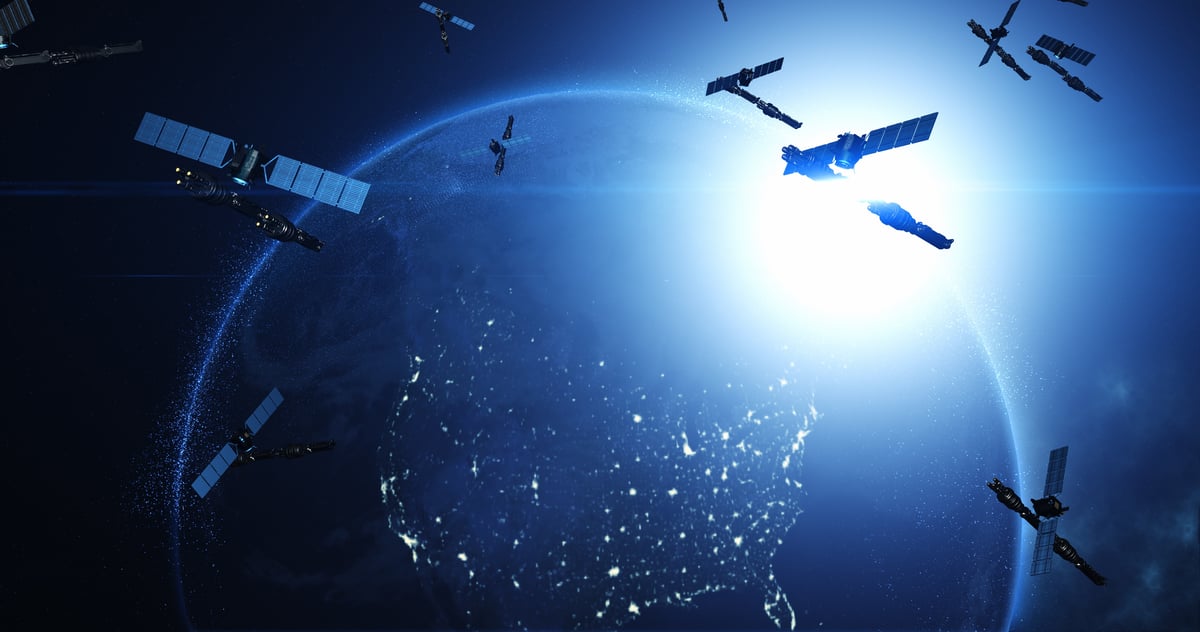
SpaceX has named its planned artificial intelligence satellite constellation Starmind, which would consist of up to 1 million orbiting satellites designed to run AI workloads and process data in space.
The project aims to solve two critical challenges for Earth-based AI data centers: excessive electricity consumption and cooling requirements.
While Starmind could reshape AI infrastructure economics, major cloud providers like AWS, Microsoft Azure, and Google Cloud are unlikely to become obsolete unless SpaceX overcomes significant technological and regulatory barriers.
What happened
Elon Musk confirmed that SpaceX's planned artificial intelligence satellite constellation will be called Starmind. Musk plans to launch up to 1 million satellites that run AI workloads in orbit—roughly 100 times the number currently operated by Starlink—to process data in space and beam results back to Earth.
Why it matters
Starmind addresses two major cost challenges for Earth-based AI data centers: the need for massive electricity and the heat they generate. The satellites would be solar-powered (eliminating local electricity costs) and require less cooling since processors would radiate heat into space. This could potentially reshape how companies approach AI infrastructure, though AWS, Microsoft Azure, and Google Cloud are not likely to become obsolete without significant technological breakthroughs.
What to watch
SpaceX still faces significant technological and regulatory hurdles in building Starmind at full scale. A major drawback is the cost of launching satellites, though SpaceX's reusable Starship spacecraft is expected to help reduce that expense.
Ask the AI about this article →
Elon Musk's announcement of Starmind represents an ambitious pivot in SpaceX's strategy, moving beyond Starlink's satellite internet business toward AI infrastructure in orbit. The core appeal is economic: by eliminating two of the largest expense drivers for traditional data centers—electrical power and cooling infrastructure—Starmind could offer a cost advantage if launch costs can be driven down sufficiently. The sheer scale of the project (1 million satellites) underscores Musk's confidence in the economics, though it also highlights the regulatory and technical execution risk.
However, the article suggests the threat to incumbent cloud providers (AWS, Microsoft Azure, Google Cloud) is real but not imminent. These companies have several advantages: they control vast existing infrastructure and customer relationships, they could themselves become SpaceX customers, and they have the resources to compete. Amazon's connection to Blue Origin (founder Jeff Bezos' space company) and its own Leo satellite business provide additional competitive tools. The article also notes that Musk has made grandiose predictions in the past that have not materialized, a caveat investors should bear in mind. For now, Starmind remains a speculative venture that will require proving both the technological feasibility and the regulatory path to launching and operating 1 million satellites.
For example, today's edition would include:
AI-summarized, only the topics you pick — one digest a day via Email, Slack, or Discord.
Free · takes 30 seconds · unsubscribe anytimeWhat is AIToday? →
Ask AI anything about this article. Q&As are published on this page for other readers too.

