Residents of Dowagiac, Michigan, have sued a data center owned by Hyperscale Data subsidiary Alliance Cloud Services LLC over continuous high-pitched noise pollution that has persisted 24/7 for two years since the facility pivoted to AI computing and advanced robotics in 2024. The company has offered to buy affected homes and says it is spending $100 million(約160億円) on soundproofing measures, but residents argue the noise is severely disrupting their lives and question why complaints were not addressed sooner. The case reflects a broader problem: similar noise pollution lawsuits are pending against other data centers, including a Microsoft facility in Wisconsin.
Summaries like this, in your inbox every morning.
Sign up free →What happened
Residents of Dowagiac, Michigan, filed a lawsuit against a data center owned by Alliance Cloud Services LLC (a Hyperscale Data subsidiary) that has generated high-pitched whining noise 24/7 for the past two years. The facility, converted from an industrial building to cryptocurrency mining in 2021, pivoted to AI computing and advanced robotics in 2024, when the noise pollution began. Hyperscale Data CEO William Horne told residents the company is spending $100 million(約160億円) on the transition and has bought adjacent properties as a noise buffer; he also offered to buy homes from unhappy residents.
Why it matters
Dowagiac recently instituted an industrial noise ordinance with daytime limits of 65dB and nighttime limits of 55dB, and has fined the data center for violations. However, residents report the noise sounds like a clogged vacuum running continuously and say it is disrupting their lives — one resident has a 17-month-old baby and another on the way, making relocation difficult. The noise pollution issue reflects a broader challenge: a Microsoft data center in Wisconsin is facing a similar class-action lawsuit, and one non-profit noted that inaudible vibrations (infrasound) from industrial sites can be felt for hundreds of feet and may have negative health effects.
What to watch
Hyperscale Data is challenging the city's noise readings and methodology, and has not yet submitted permit applications for its planned expansion, according to the city. Residents have questioned why the company did not address complaints sooner and expressed skepticism about the CEO's mitigation measures.
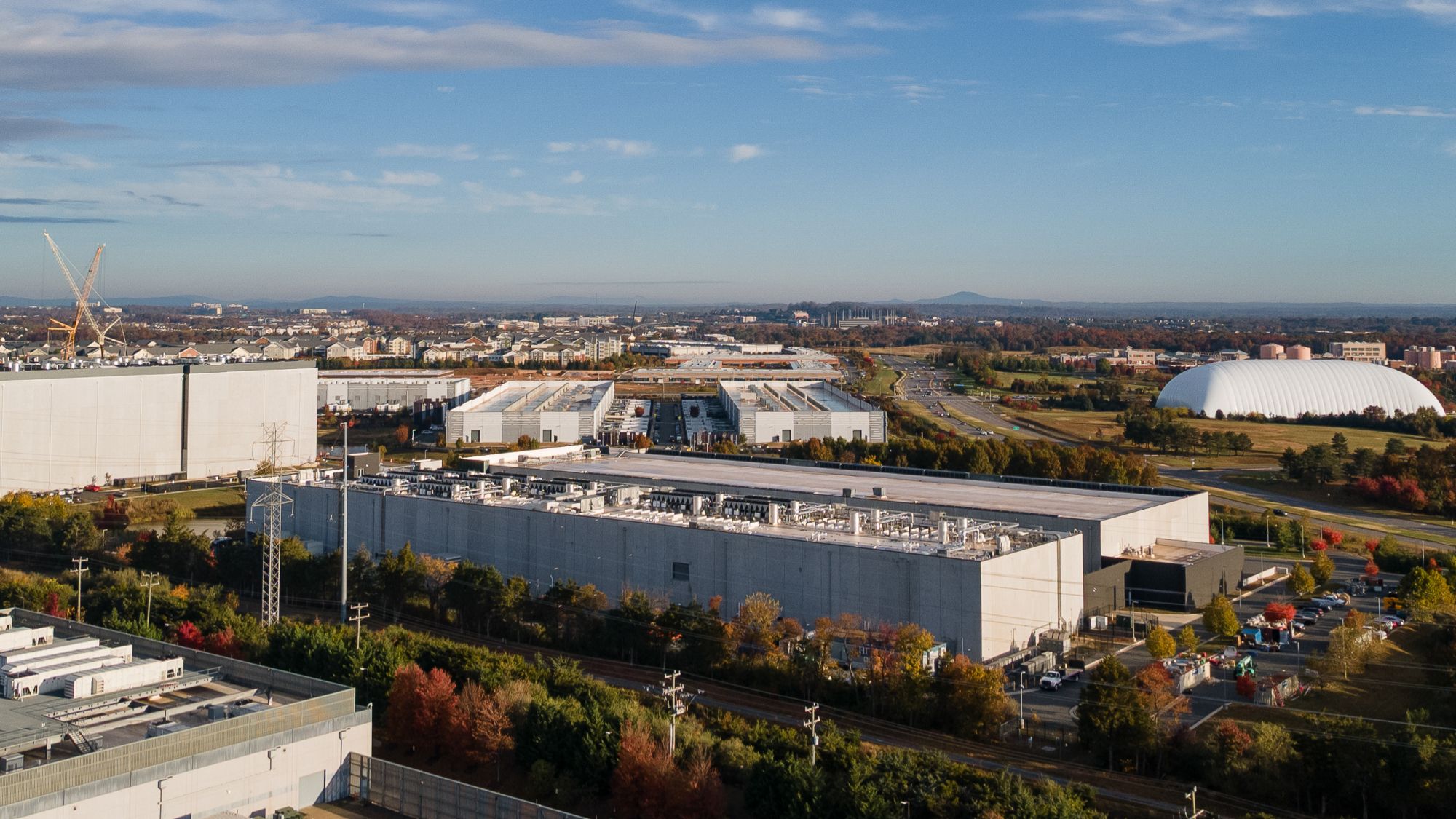
Residents of Dowagiac, Michigan, have filed a lawsuit against a data center owned by Alliance Cloud Services LLC, a subsidiary of Hyperscale Data, over persistent high-pitched noise pollution that has lasted 24/7 for the past two years. The facility, a former industrial building located behind a row of pine trees across the street from the most affected homes, was originally developed in 2018 and converted to cryptocurrency mining in 2021. The noise problem emerged in 2024, when the building's operations shifted toward AI computing and advanced robotics.
Residents describe the sound as resembling a clogged vacuum cleaner running continuously at high pitch. Lindy Valenzuela, one of the affected residents, stated: "It sounds like someone set up a vacuum, like in your living room. And the vacuum is just... that thing needs to be cleaned ... the filter is clogged up, so it's a high-pitch whining. And they just left it on and walked out." Another neighbor, Billy Finn, compared the experience to sound-based torture depicted in films. In response, Dowagiac recently established an industrial noise ordinance setting daytime limits of 65dB and nighttime limits of 55dB; the city has fined the data center for violations.
Hyperscale Data is contesting the city's noise measurements and methodology. CEO William Horne addressed residents at a special city council meeting, announcing that the company is spending $100 million(約160億円) to complete its pivot to AI computing and advanced robotics, and that it has purchased acres of adjacent properties to serve as a natural noise buffer. Horne also stated that if residents remain dissatisfied, the company will buy their homes. However, this offer has not resolved the dispute. Residents emphasized the difficulty of relocation: one family has lived in the area for close to a hundred years and has deep social ties; another resident is raising a 17-month-old child and expecting another, making a move impractical. Residents questioned why the company had not addressed complaints immediately upon receiving them and criticized its neighborliness. The company has not submitted permit applications to the city for its planned expansion.
The Dowagiac lawsuit is part of a broader pattern. A Microsoft data center in Wisconsin is currently facing a similar class-action lawsuit from residents living within 1.5 miles of the facility. One non-profit organization has noted that industrial sites emit inaudible vibrations called infrasound, which can be detected and felt for hundreds of feet in surrounding areas and may have negative health effects on people exposed to them.
The Dowagiac noise pollution case exemplifies the collision between industrial data-center expansion and residential quality of life in small communities. The facility's history is instructive: the former industrial building sat dormant or underutilized until cryptocurrency mining arrived in 2021, then underwent another operational shift to AI computing and advanced robotics in 2024 — the precise moment when neighbors began reporting unbearable 24/7 noise. This timing suggests that the new AI-focused workload either requires different or more intensive cooling and infrastructure, creating the high-pitched whining residents describe. Hyperscale Data's response—offering to buy homes and invest $100 million(約160億円) in soundproofing—indicates awareness of the severity, yet residents remain skeptical, citing deep community ties (one family has lived in the area for close to a hundred years) and practical barriers to relocation (one resident expects a second child). The company's challenge to the city's noise methodology suggests a broader dispute over measurement standards, a tactic that may delay resolution.
This conflict is not isolated. A Microsoft data center in Wisconsin faces a parallel class-action lawsuit from residents within 1.5 miles of the facility, signaling that data-center noise is becoming a systemic regulatory and public-health issue. One non-profit organization has raised particular concern about infrasound—inaudible vibrations emitted by such industrial sites—which can be felt for hundreds of feet and may carry negative health effects. As AI workloads drive demand for larger, more power-intensive data centers, municipal noise ordinances (like Dowagiac's recent 65dB daytime / 55dB nighttime limits) may become standard defensive measures, yet they also create legal and operational friction for companies seeking to expand infrastructure in proximity to homes.
AI-summarized, only the topics you pick — one digest a day via Email, Slack, or Discord.
Free · takes 30 seconds · unsubscribe anytime
No discussion yet for this article
Get curated AI news from 200+ sources delivered daily to your inbox. Free to use.
Get Started FreeFree · takes 30 seconds · unsubscribe anytime
