Supply chain risks are shifting from transportation bottlenecks to scarce materials and constrained components, creating pressure through 2027.
AI infrastructure is tightening memory-chip availability, with semiconductor prices climbing sharply.
Petrochemical supplies are constrained, and tariff uncertainty is pushing companies to order inventory earlier.
What happened
S&P Global's third-quarter 2026 outlook says supply chain bottlenecks are moving from transportation to shortages of critical materials and components. AI-driven memory demand, petrochemical constraints, and tariff uncertainty are pressuring product availability and costs through 2027.
Why it matters
Distributors face three concurrent pressures. Technology distributors compete for memory chips as AI infrastructure consumes more capacity; South Korea's semiconductor producer prices reached 715% of 2023 average in May. Chemical and plastics distributors deal with tighter petrochemical supplies—naphtha imports into mainland China, Japan, Singapore, and Taiwan fell to 73% of pre-conflict levels in April. Tariff uncertainty is pushing companies to order earlier and rebuild safety stocks, tying up cash.
What to watch
S&P Global forecasts computer producer prices will rise 16% in the U.S. and 10.9% in mainland China by Q2 2027 versus Q4 2025. Memory-chip producers will spend $181.1 billion on capital expansion in 2027, up 141% from 2024, but new capacity will not eliminate shortages immediately because components must be built and qualified before reaching the market.
Ask the AI about this article →
The shift in supply chain risk reflects a fundamental change in what constrains global manufacturing. S&P Global's research shows that traditional transportation chokepoints—ports, shipping lanes, carriers—are no longer the primary pressure point. Instead, companies now face scarcity of specific raw materials and components where alternative sources are limited or take years to qualify.
The three concurrent pressures identified—AI-driven semiconductor demand, petrochemical constraints from Middle East disruptions, and tariff uncertainty—each operate on different timescales. Semiconductor capacity additions will take years to mature; petrochemical supplies from specialized sources cannot be quickly rerouted (naphtha imports remained at 73% of pre-conflict levels in April despite alternative transportation routes); and tariff-driven forward ordering has already begun to reshape inventory patterns. U.S. seaborne imports of consumer electronics jumped 23.4% from April to May, well above the 6.6% historical average, suggesting companies are pulling orders forward to hedge tariff risk.
For distributors, the calculation has become more complex. Carrying additional inventory protects against shortages but ties up cash and risks obsolescence, especially in electronics where technology changes rapidly. The global manufacturing purchasing managers' inventory index reached 51.4 in May, its highest since August 2022, indicating safety-stock building is underway—though still only one-fifth of its December 2021 peak. The gap between what manufacturers pay for inputs and what they charge customers hit its widest point since the post-pandemic inflation period in June, suggesting cost pressures have not yet flowed fully downstream.
For example, today's edition would include:
AI-summarized, only the topics you pick — one digest a day via Email, Slack, or Discord.
Free · takes 30 seconds · unsubscribe anytimeWhat is AIToday? →
Ask AI anything about this article. Q&As are published on this page for other readers too.
Visko raised $10 million in pre-seed funding from Llama Ventures and opened public access to its first foundat…

U.S. markets ended August higher, with the S&P 500 up 2.6% and the Nasdaq up 3.9%
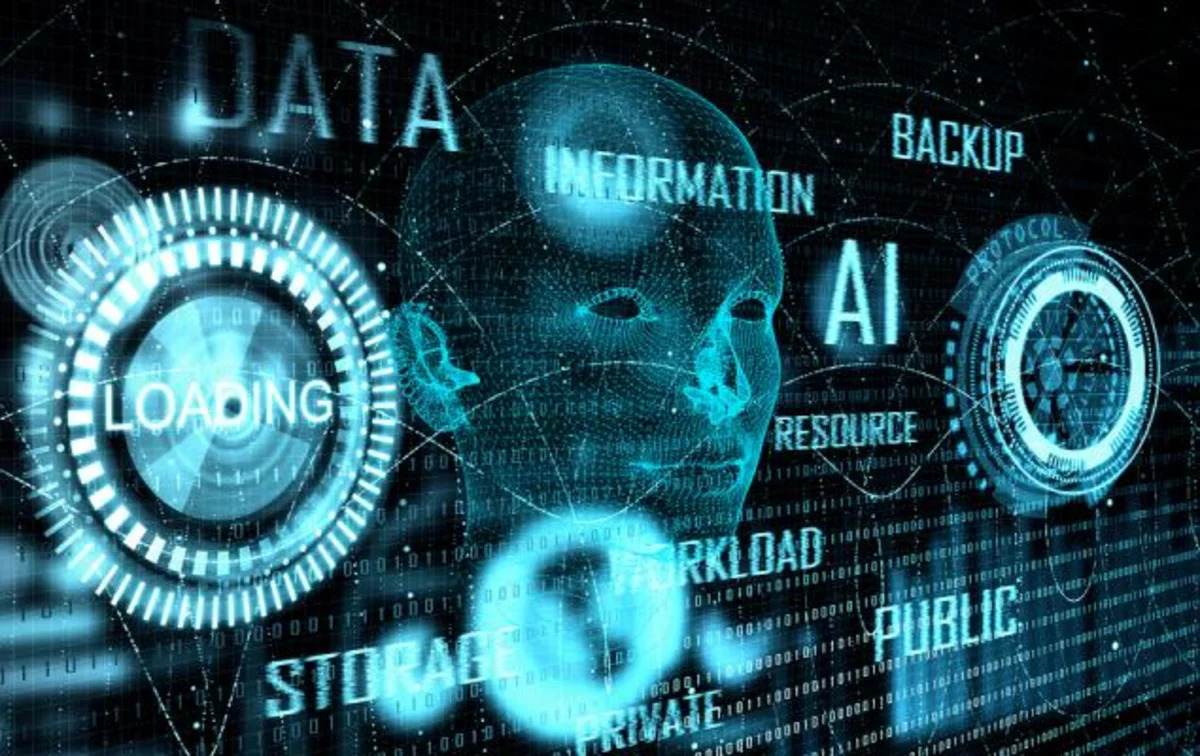
Neurovia AI, an Abu Dhabi-based company, is pitching Saudi security agencies software that it says can compres…
AI company Runway has unveiled Solaris, the first model in a new category it calls "Interface World Models." I…

John Deere introduced JD, a conversational AI tool that lets farmers ask open-ended questions about their hist…
Nvidia CEO Jensen Huang said on Fox Business that AI is creating 'hundreds of thousands' of jobs, including in…