What happened
Edward Jones, a $2.4 trillion(約380兆円) wealth management firm, is using AI to centralize expertise from its 34,000-person partnership. The firm collects about 55 million interaction notes from advisers' client conversations each day and uses AI tools to extract insights that are then shared across the network to help other advisers anticipate client needs.
Why it matters
At least a third of the roughly 326,000 American financial advisers are expected to retire in the next decade, creating what Edward Jones' managing partner Penny Pennington calls "a prevailing scarcity" of advice. Rather than replace advisers, Edward Jones is using AI to enhance their efficiency and help retain institutional knowledge that would otherwise walk out the door when senior partners leave.
What to watch
Edward Jones has identified two emerging trends from its AI analysis: baby boomers increasingly asking about relocating closer to family (and how it affects retirement planning), and "generalized anxiety" about job dislocation now appearing in 20% of all conversations, up from 16% a year ago. Pennington emphasizes that human relationships, not technology alone, will remain the firm's competitive advantage.
Summaries like this, in your inbox every morning.
Edward Jones faces a structural demographic challenge: at least a third of America's roughly 326,000 financial advisers are expected to retire in the next decade, threatening the firm's ability to maintain its advisory capacity. Rather than view AI as a tool to displace human advisers, managing partner Penny Pennington is positioning it as a way to preserve and amplify the tacit knowledge that those departing advisers carry. By collecting and analyzing roughly 100,000 client conversations each day—now totaling about 55 million interaction notes—the firm can extract patterns and insights that might otherwise vanish when experienced advisers leave.
Pennington frames this knowledge-pooling as an extension of Edward Jones' existing peer-to-peer culture, not a threat to advisers' job security. Each adviser who contributes benefits from peers' insights in return, creating what she calls a "mutually reinforcing network effect." This framing is critical to adoption: companies have learned that employees will not voluntarily upload their expertise if they believe it will empower systems designed to replace them. The firm's AI analysis has already surfaced concrete trends—baby boomers relocating near family, widespread anxiety about job dislocation now appearing in 20% of conversations—that advisers can use to preempt client concerns and strengthen relationships.
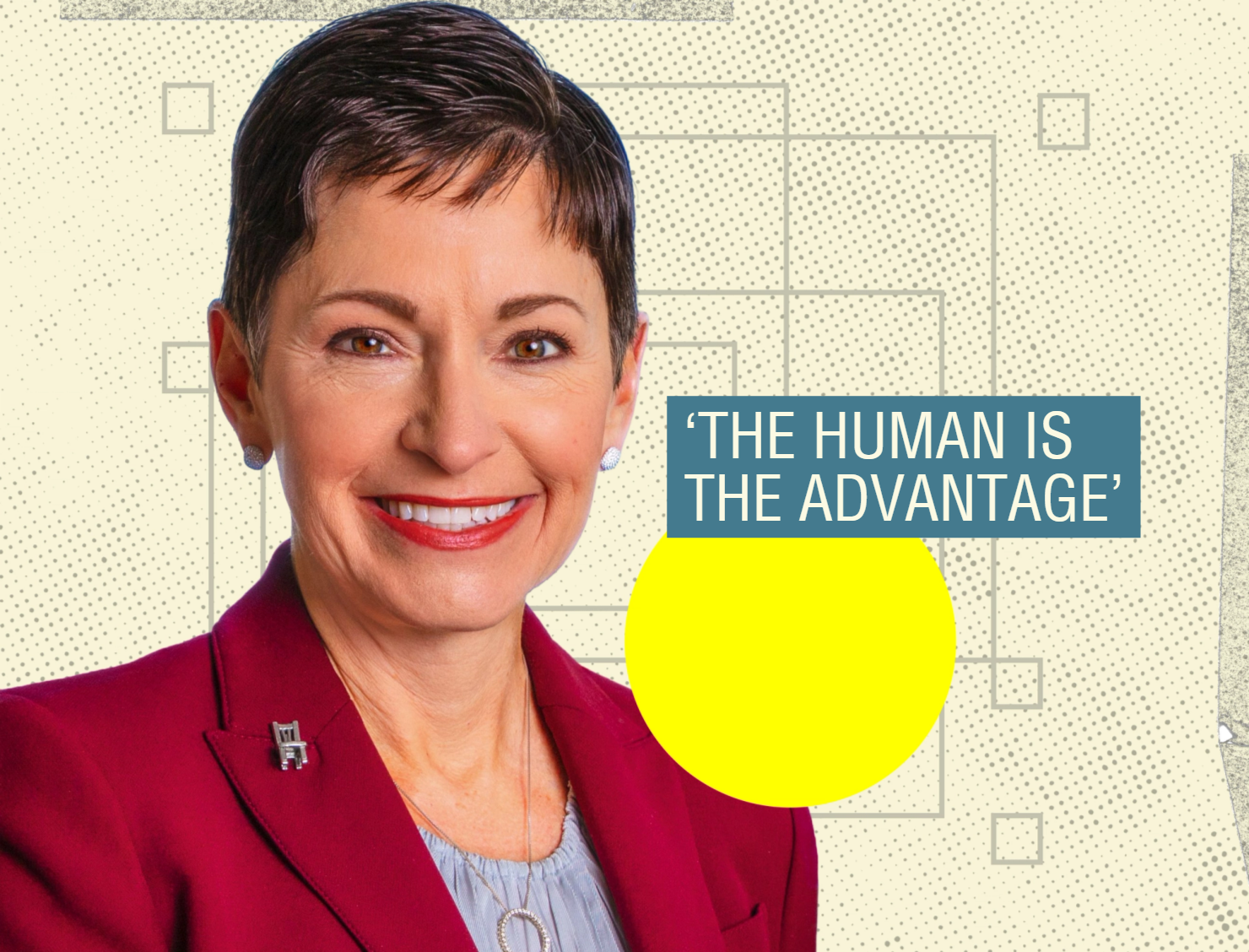
Pennington acknowledges that AI tools available to Edward Jones are also available to smaller competitors and startups. However, she argues that size and data depth—"trillions of pieces of transaction data, and now millions and millions of pieces of emotional, psychological, and trust-based insight"—create a durable advantage because smaller rivals cannot combine and redistribute insights at the same scale. The firm's competitive bet, in her view, hinges not on technology being inaccessible to others, but on the human relationship remaining essential to financial advice, especially when clients are navigating emotionally charged decisions about retirement, family, and legacy.
Pick your industry and the AI tools you use, and get news related to your work every day.
Free · 30 seconds with Google · unsubscribe anytimeWhat is AIToday? →
Ask AI anything about this article. The AI reads this article, earlier AIToday articles, and Wikipedia, and cites its sources. Q&As are published on this page for other readers too.

