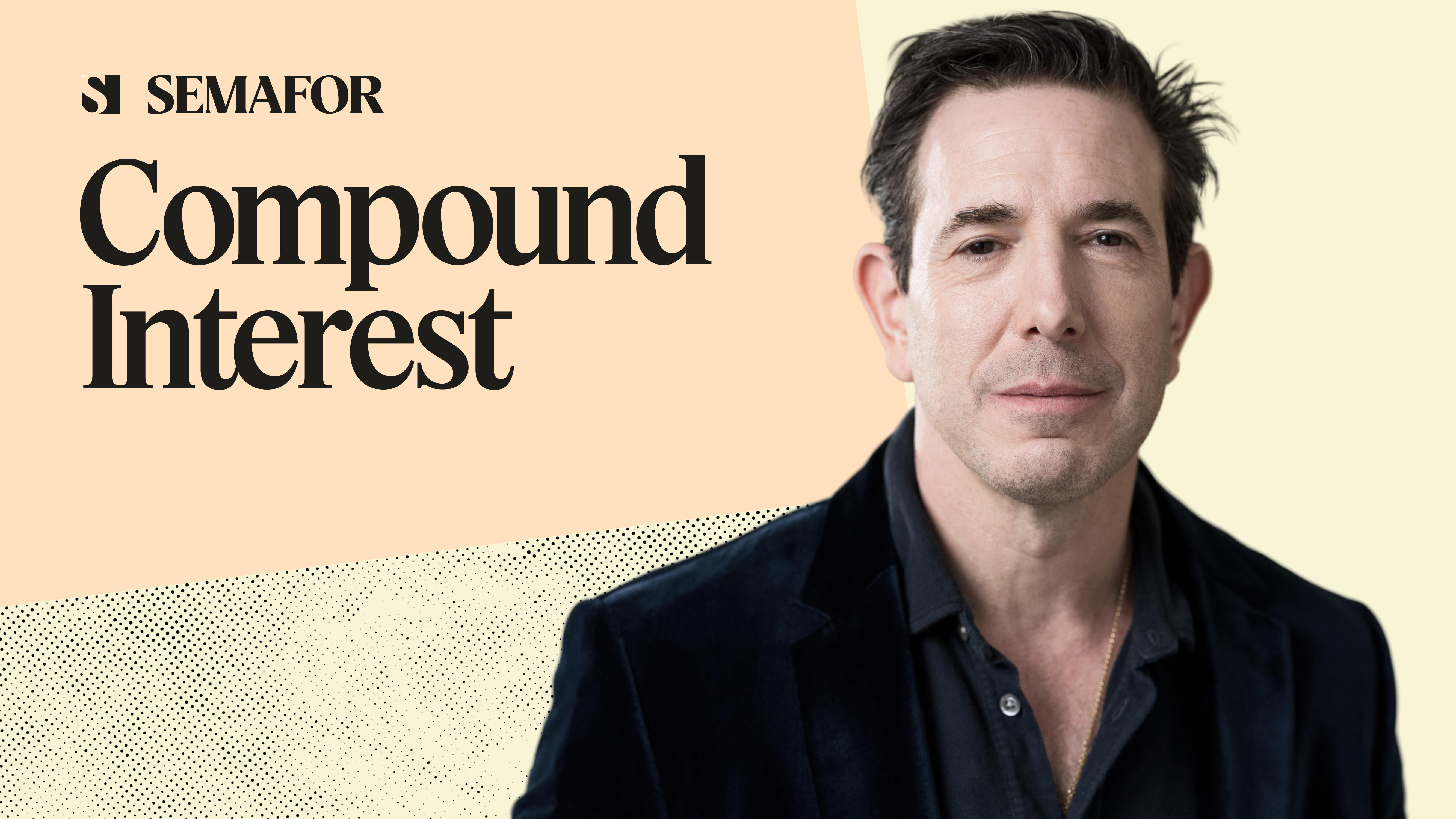
Bradley Tusk, a political strategist known for helping startups navigate regulation, told Compound Interest that AI companies face an unusually difficult regulatory environment compared to other industries he has worked in.
Unlike Uber or FanDuel, AI lacks the consumer-demand lever Tusk traditionally uses to fight regulation, and public fears about AI risks make his playbook less effective.
The real regulatory fights will happen at the state and local level, particularly in Texas, Tennessee, Minnesota, and Indiana, rather than in Washington.
What happened
Bradley Tusk, a veteran political strategist who has helped companies like Uber and FanDuel navigate regulation, told Compound Interest that AI companies are entering what may be the most permissive regulatory window they will ever see. He warned that the real battles will play out in state legislatures in Texas, Tennessee, Minnesota, and Indiana—not in Washington.
Why it matters
Tusk argues AI is unlike any industry he has worked in because it lacks popular consumer demand he can mobilize to fight regulation, and because the doomsday warnings around AI make his traditional playbook ineffective. Companies like Anthropic and OpenAI are positioning themselves differently on risk: Anthropic has publicly warned about AI dangers, while OpenAI has positioned itself closer to the Trump administration. These choices may shape how regulators respond.
What to watch
Most regulatory action on LLMs, data centers, applications, and power infrastructure will come from state and local levels rather than federal executive orders. This means AI companies should pay closer attention to restrictions moving through state legislatures than to White House positioning.
Ask the AI about this article →
For example, today's edition would include:
AI-summarized, only the topics you pick — one digest a day via Email, Slack, or Discord.
Free · takes 30 seconds · unsubscribe anytimeWhat is AIToday? →
Ask AI anything about this article. Q&As are published on this page for other readers too.

