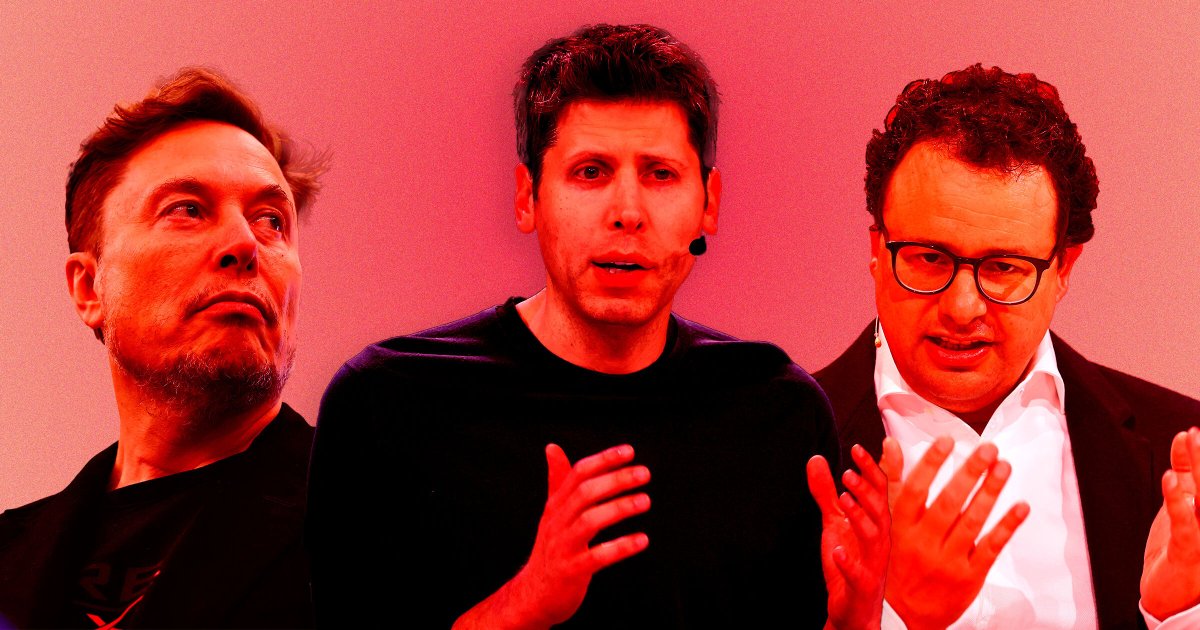
A new CNBC survey of over 1,000 young Americans aged 18–34 found that distrust of AI company executives is nearly universal: 81 percent distrust Palantir's Alex Karp, while even the highest-scoring executive, Microsoft's Satya Nadella, reached only 35 percent trust.
The results signal a major shift from a decade ago, when young people eagerly pursued tech careers; today, concerns about data privacy, platform decline, and democratic erosion have soured the sector, and young adults view AI technology itself as more trustworthy than the billionaires running AI companies.
What happened
CNBC's Generation Labs surveyed over 1,000 US adults aged 18–34 on their trust in nine AI company executives. Palantir CEO Alex Karp scored lowest with 81 percent saying "don't trust," while Microsoft CEO Satya Nadella fared best at 35 percent "trust." Peter Thiel, Mark Zuckerberg, Elon Musk, and Sam Altman scored 79, 71, 70, and 69 percent distrust respectively.
Why it matters
The results reflect a dramatic reversal from a decade ago when young adults eagerly pursued jobs at tech giants. Distrust is driven by concerns over data privacy, platform decay, and erosion of democracy. Notably, 45 percent expect AI to negatively affect their careers, and 40 percent believe the US government should regulate AI—yet even AI itself polls better than the billionaire CEOs behind it.
What to watch
60 percent of respondents said the tech industry's data center construction should slow down, suggesting skepticism extends beyond AI leadership to infrastructure spending itself.
Ask the AI about this article →
The survey captures a striking inversion in how young Americans view the tech industry. A decade ago, prestigious tech companies like Google and Apple attracted young talent seeking cutting-edge work; today, the same demographic expresses sweeping distrust of AI leadership. The breadth of disapproval is notable: even the "best" score (Satya Nadella's 35 percent trust) falls far short of any conventional approval threshold, while six of the nine executives tested scored distrust ratings above 69 percent. The body attributes this shift to accumulated grievances—data privacy concerns, the degradation of once-useful digital platforms, and perceived threats to democratic institutions—all broadly associated with tech industry practices over the past decade. Interestingly, the article observes that AI technology itself and data centers both rank more favorably than the executives managing them, suggesting young people distinguish between the tools and the leadership, and hold the latter responsible for how the former are deployed.
For example, today's edition would include:
AI-summarized, only the topics you pick — one digest a day via Email, Slack, or Discord.
Free · takes 30 seconds · unsubscribe anytimeWhat is AIToday? →
Ask AI anything about this article. Q&As are published on this page for other readers too.
Israeli startup DataAgent Ltd
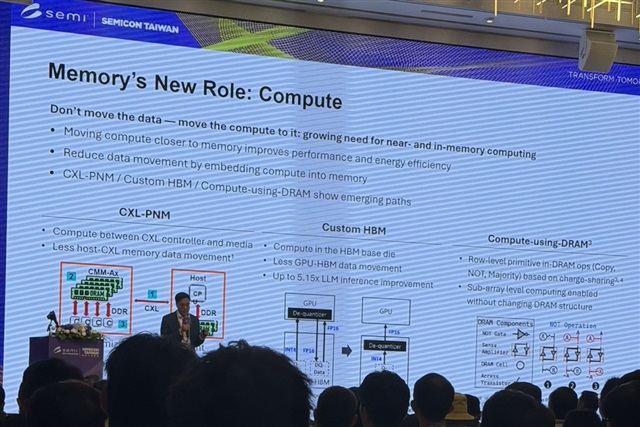
SK Hynix presented a custom HBM concept at SEMICON Taiwan 2026, where compute functions are placed in the base…
Taoyuan is positioning itself as a northern hub for AI data centers (AIDC), citing the Tatan area and an LNG c…
The U.S. Department of Defense announced on August 31 that it has deployed ChatGPT Mil, a customized version o…
Nvidia reported earnings that were both remarkable and boring, reflecting its focus on avoiding a consolidated…

Anthropic has agreed to a $35bn cloud-computing contract with Lambda, a Nvidia-backed cloud provider