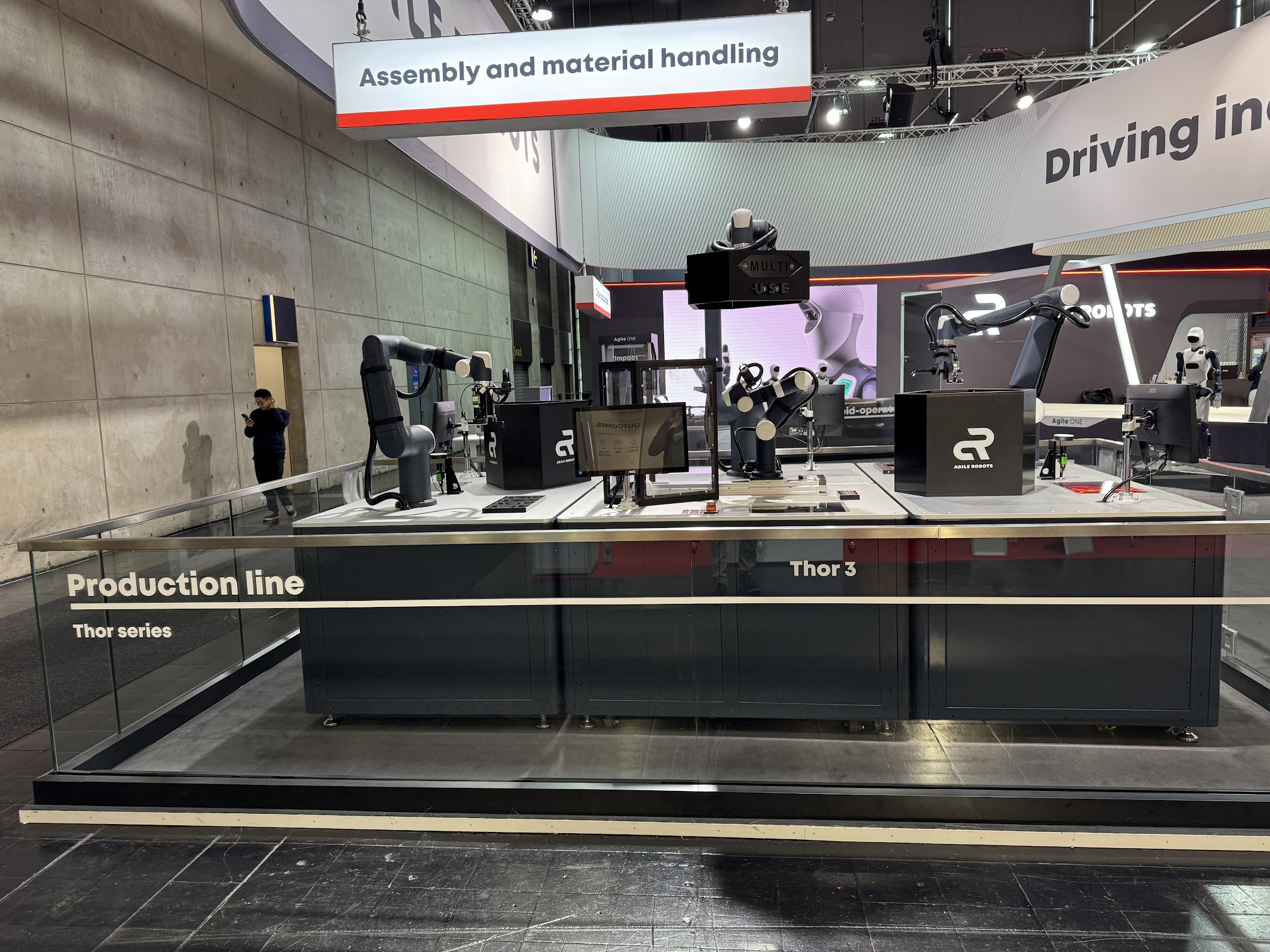
At Hannover Messe 2026 (Europe's largest industrial trade show), NVIDIA, Google Cloud, Siemens, Rockwell Automation, and Bosch all announced AI systems designed specifically for manufacturing floors. Google revealed its eighth-generation TPU chips (TPU 8t and 8i) built to handle the full AI lifecycle—from training to real-time decision-making in factories—while Siemens introduced Eigen Engineering Agent, an AI that generates code to control factory equipment autonomously.
These systems address the gap between lab performance and field reality. Where last year's autonomous robot race required remote control and took 2 hours 40 minutes, this year's entries operated fully autonomously—signaling that robotics have moved past the 'proof of concept' stage. Google added Axion CPU headers to remove data-preparation bottlenecks, meaning factory AI systems stay fed with fresh data instead of stalling while waiting for preprocessing.
For manufacturing professionals: autonomous robots now identify safety hazards and equipment inefficiencies with precision exceeding human capability, and AI agents can compress weeks of engineering work into hours. This directly cuts factory startup timelines and reduces the need for specialized engineering talent—a critical advantage as skilled manufacturing workers remain scarce. Companies like Lenovo demonstrated lead times cut by up to 85%, meaning time-to-market for new products shrinks measurably.
Ask the AI about this article →
For example, today's edition would include:
AI-summarized, only the topics you pick — one digest a day via Email, Slack, or Discord.
Free · takes 30 seconds · unsubscribe anytimeWhat is AIToday? →
Ask AI anything about this article. Q&As are published on this page for other readers too.
Solomon Technology, a Taiwanese AI 3D vision company, is showcasing two key inspection applications at Semicon…

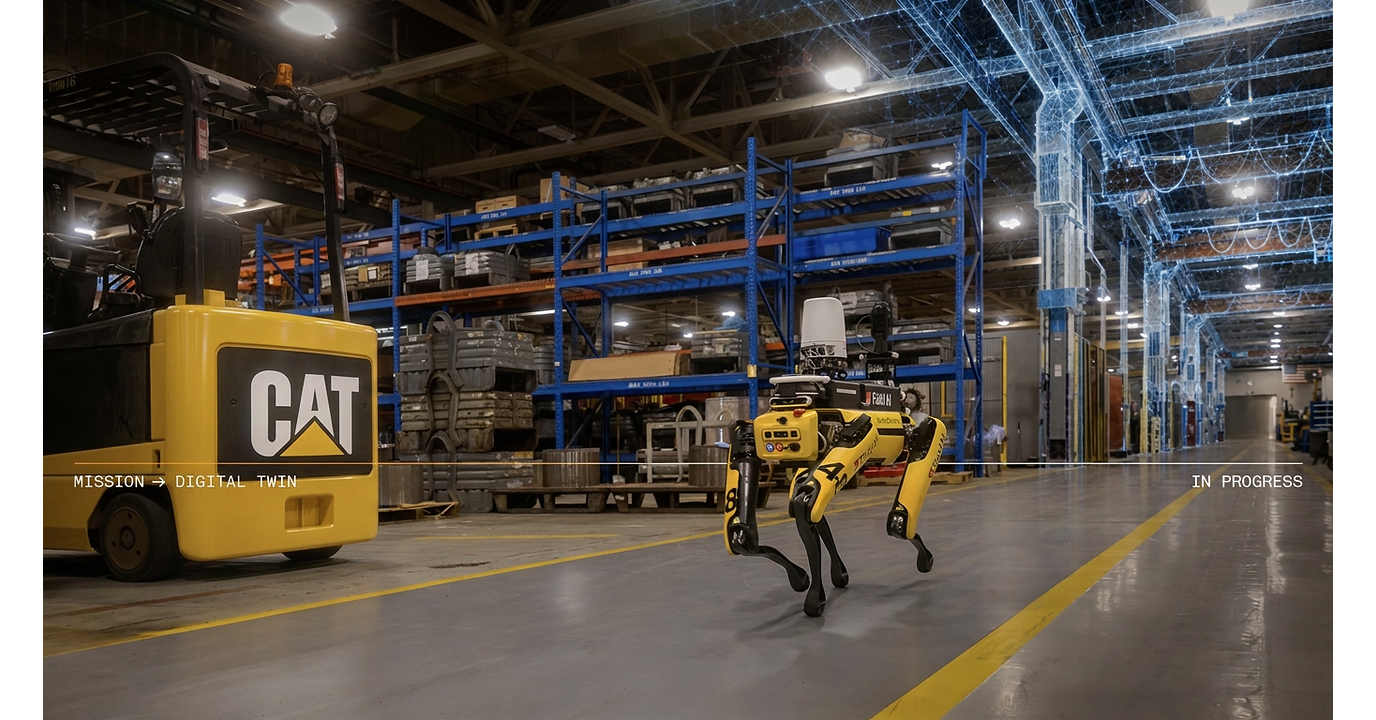
Caterpillar announced a collaboration with FieldAI to deploy physical AI, autonomy, robotics, and NVIDIA-power…

At Commercial UAV Expo in Las Vegas, FAA officials said routine BVLOS (beyond visual line of sight) drone oper…

Caterpillar is collaborating with FieldAI to advance physical AI, autonomy, and robotics for jobsites and fact…
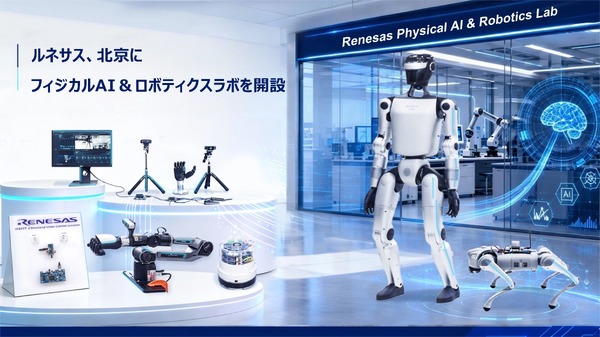
Renesas Electronics announced it has opened a Physical AI & Robotics Lab in Beijing, China
AWS Japan held the final presentation event for its “Physical AI Development Support Program by AWS Japan,” an…