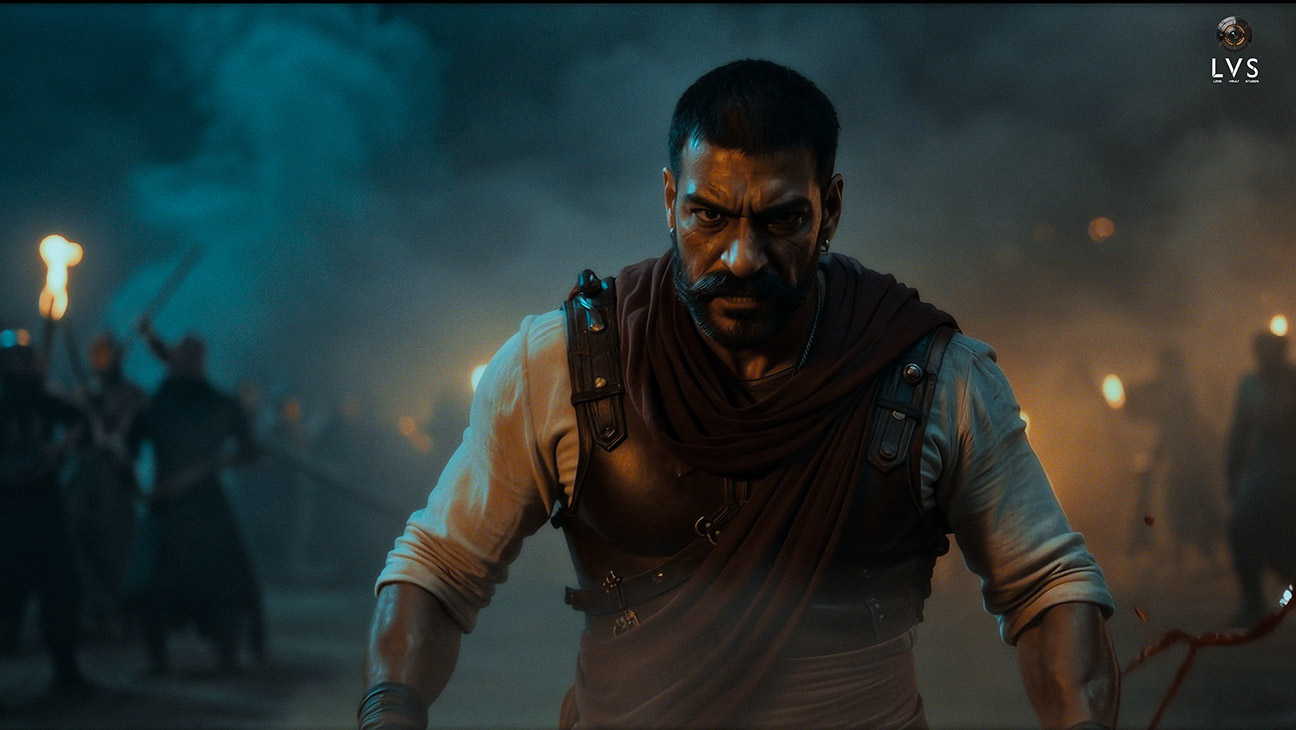
Eros International released a new Tamil version of the 2013 film Raanjhanaa with its final scenes altered using AI reconstructions so that the romantic lead survives, replacing the original tragic ending where the character dies by assassination. Director Aanand L. Rai and star Dhanush publicly opposed the re-release, but Eros argued it held the legal right as "sole financier, producer and rights holder" under Indian copyright law.
Indian filmmakers are broadly embracing AI across nearly every stage of production — from writing and pre-visualization to post-production and fully AI-generated features — with few industry unions or national regulations to restrict its use. Studio Blo estimates around 80 percent of Indian films are already using AI extensively in pre-visualization, and the company has built a platform called Kubrick to help directors generate storyboards; production timelines for AI-made feature films typically run between six and 12 months, compared with two to three years for traditional animated features.
The contrast with Hollywood is stark: while the WGA and SAG-AFTRA strikes of 2023 were fought partly to establish contractual guardrails around AI, India has no empowered industry unions to push for caution, and most studios, startups, and individuals are experimenting openly and unapologetically bullish about the technology's potential.
Ask the AI about this article →
For example, today's edition would include:
AI-summarized, only the topics you pick — one digest a day via Email, Slack, or Discord.
Free · takes 30 seconds · unsubscribe anytimeWhat is AIToday? →
Ask AI anything about this article. Q&As are published on this page for other readers too.

