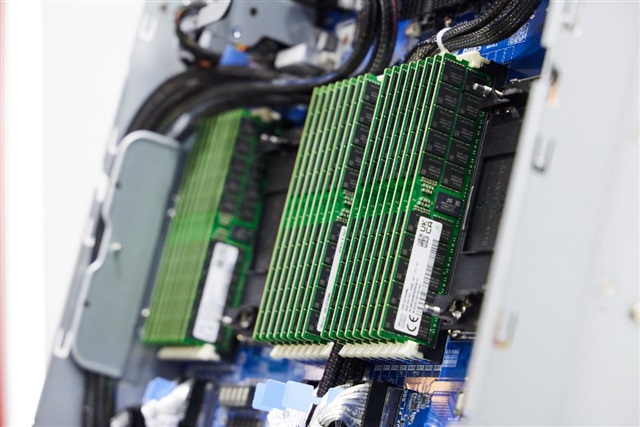
DDR5 memory module spot prices have hit record highs in the second half of 2026 as AI and server applications consume available supply, even as the pace of memory contract price increases has begun to slow. This divergence between spot and contract markets suggests ongoing supply tightness in the memory sector amid heavy AI infrastructure demand.
Summaries like this, in your inbox every morning.
Sign up free →What happened
DDR5 memory module spot prices have reached record highs in the second half of 2026, driven by strong demand from AI and server applications consuming available supply.
Why it matters
While contract prices for memory are cooling, the spot market tightness reflects structural demand pressure from AI infrastructure buildout, suggesting sustained pressure on memory costs for businesses deploying servers.
What to watch
The divergence between slowing contract prices and rising spot prices indicates supply constraints may persist as long as AI and server demand remains strong.
DDR5 memory module spot prices have climbed to record highs in the second half of 2026, according to industry sources cited by DigiTimes. The surge is being driven by strong demand from AI and server applications, which are consuming available supply faster than the market can replenish it. At the same time, the pace of memory contract price increases—the negotiated prices for bulk, longer-term orders—has begun to slow, suggesting that the broader market is stabilizing. This split between spot and contract markets reflects the tension between immediate infrastructure buildout driven by AI projects and the gradual normalization of supply conditions. China-made memory dies are narrowing the price gap in the market, indicating that local manufacturing is beginning to play a larger role in supply, though the tightness in spot prices suggests these new sources have not yet fully saturated demand.
The memory market is showing a split personality in the second half of 2026. Contract prices—the negotiated rates for bulk orders—are easing as supply conditions stabilize, a traditional sign of moderating demand pressure. Yet spot prices, which reflect immediate transactions in the open market, are climbing to record levels. This divergence points to a specific bottleneck: AI and server infrastructure projects are bidding aggressively for immediate supply, outpacing the broader market's ability to meet them. The body notes that China-made dies are narrowing the price gap, suggesting that local manufacturing may be beginning to relieve some pressure, but not yet enough to ease the spot market's tightness. For buyers dependent on rapid deployment of AI infrastructure, the record spot prices signal that spot purchases will remain expensive until supply chains adjust to the sustained surge in server demand.
AI-summarized, only the topics you pick — one digest a day via Email, Slack, or Discord.
Free · takes 30 seconds · unsubscribe anytime
No discussion yet for this article
Get curated AI news from 200+ sources delivered daily to your inbox. Free to use.
Get Started FreeFree · takes 30 seconds · unsubscribe anytime
1 minute a day. The AI essentials.
200+ sources · Email / LINE / Slack
