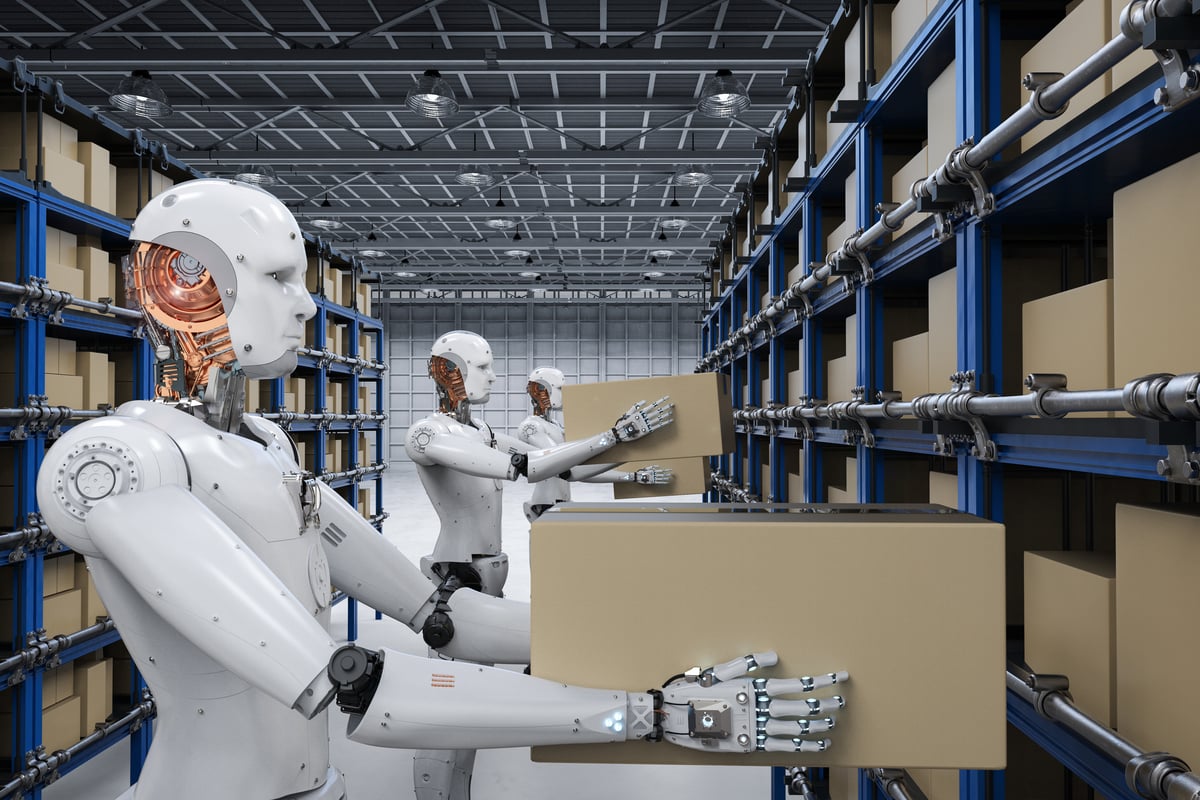
Micron's CEO forecasts that humanoid robots will drive a multi-decade memory chip demand cycle larger than the current AI data center boom, beginning in the latter part of this decade. Humanoid robots are expected to carry 10 times the memory of advanced vehicles, and the market could reach $200 billion(約32兆円) within less than 10 years, positioning memory chipmakers like Micron for sustained high margins.
Summaries like this, in your inbox every morning.
Sign up free →What happened
During Micron's fiscal 2026 third-quarter earnings call on June 24, CEO Sanjay Mehrotra told investors that humanoid robots represent a much more promising long-term opportunity than AI data centers. He predicted a "sustained, substantial multidecade memory demand cycle" beginning in the latter part of this decade, driven by physical AI including robots.
Why it matters
Humanoid robots will require roughly 10 times the memory of an average L2+ vehicle (a term for vehicles with enhanced advanced driver assistance systems). If this prediction holds, Micron could face sustained shortages and sell memory chips at high margins for years—a far longer and larger cycle than today's AI data center boom. For investors, this suggests Micron's growth story extends well beyond the current AI cycle.
What to watch
Barclays projects the humanoid robot market will reach $200 billion(約32兆円) in less than 10 years, while Dan Ives of Wedbush Securities anticipates the industry could be worth trillions of dollars over the next decade. Tesla is getting closer to commercializing its Optimus robots, a potential trigger for mass production.
Micron's stock has surged more than 700% over the past year, driven primarily by strong demand for its memory and storage chips from AI data centers. However, CEO Mehrotra's June 24 announcement signals a major shift in the company's long-term narrative: rather than viewing AI data centers as the end game, he positioned humanoid robots as a substantially larger and more durable growth driver. This distinction matters because semiconductor memory has historically been subject to boom-and-bust cycles—periods of high demand and rising prices are followed by supply gluts and margin compression. Mehrotra's prediction of a "multidecade" memory demand cycle suggests Micron and its peers believe humanoid robots will create demand so large and sustained that traditional cyclical pressures may ease.
The connection between humanoid robots and memory demand rests on a concrete technical claim: robots will require 10 times the memory of advanced vehicles. If correct, mass production of humanoid robots could dwarf current AI infrastructure spending on chips. This projection aligns with broader industry enthusiasm—Barclays and prominent tech investor Dan Ives have both forecast substantial growth in the robotics market in the coming decade. Tesla's progress toward commercializing its Optimus robots is a potential flashpoint: successful mass production by any major robotics competitor could trigger the memory shortage Micron anticipates. For memory chipmakers, sustained shortages would translate to pricing power and margin expansion that would persist far longer than the current AI cycle.
No discussion yet for this article
Get curated AI news from 200+ sources delivered daily to your inbox. Free to use.
Get Started FreeFree · takes 30 seconds · unsubscribe anytime
1 minute a day. The AI essentials.
200+ sources · Email / LINE / Slack
