What happened
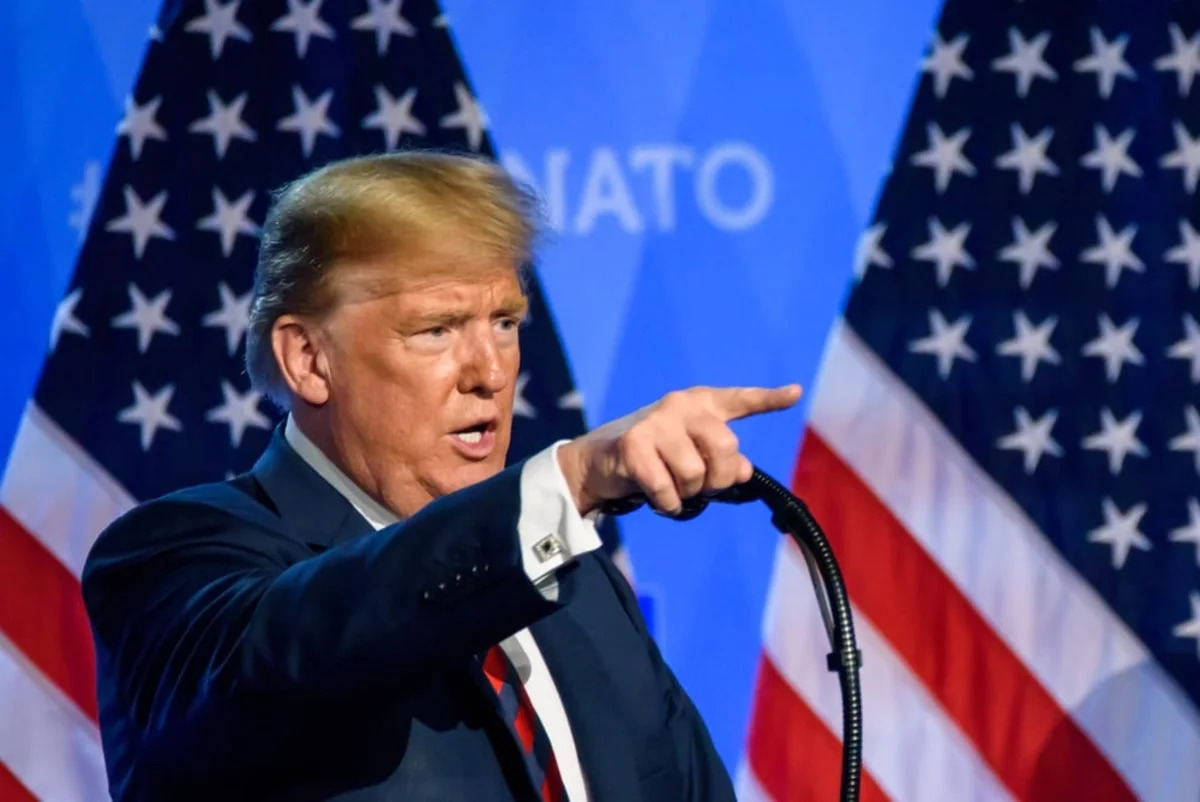
President Trump announced his administration's "Winning the Race: America's AI Action Plan," containing more than 90 policy actions to accelerate AI development by cutting regulations, expanding semiconductor manufacturing, speeding permits for data centers and energy projects, and strengthening America's global AI leadership. He also signed three executive orders that day. Financial disclosures released in June show Trump's accounts purchased up to $5 million(約8億円) each of Nvidia, Apple, Microsoft, Amazon, Meta, and Broadcom on the same day.
Why it matters
The plan signals the administration's commitment to positioning the U.S. as the global AI leader and removing obstacles to industry growth. The simultaneous large purchases in major AI-benefiting companies may suggest confidence in the policy direction, though Trump has said professional brokers make investment decisions on his behalf and the Trump Organization stated it has no involvement in directing specific investments.
What to watch
The plan's success will depend on implementation of its more than 90 policy actions across regulation, manufacturing, and permitting. The timing of the stock purchases and policy announcement—both on the same day—drew attention because the companies are among the biggest players expected to benefit from continued AI investment.
Summaries like this, in your inbox every morning.
Trump's announcement of the AI action plan frames artificial intelligence as a strategic priority for American leadership, positioning the U.S. in what he described as a global "race" for AI dominance. The plan's focus on removing regulatory barriers, expanding semiconductor manufacturing capacity, and accelerating permitting reflects a strategy to unlock private-sector investment and domestic production. The near-simultaneous disclosure that Trump's accounts bought significant positions in Nvidia, Apple, Microsoft, Amazon, Meta, and Broadcom created a notable optics question: all six companies are among the major beneficiaries of sustained AI investment. However, the Trump Organization's statement that third-party financial institutions manage his accounts with sole authority over decisions separates the timing from any direct personal strategy.
The policy blueprint itself addresses structural constraints on AI development—regulation, manufacturing capacity, and infrastructure permitting—rather than direct subsidies or procurement. This market-oriented approach aligns with the administration's stated philosophy but leaves execution dependent on agency cooperation and congressional support for regulatory changes. The three executive orders signed on the announcement day suggest immediate steps are underway, though the plan's full impact will depend on how many of its more than 90 actions move to implementation.
Pick your industry and the AI tools you use, and get news related to your work every day.
Free · 30 seconds with Google · unsubscribe anytimeWhat is AIToday? →
Ask AI anything about this article. The AI reads this article, earlier AIToday articles, and Wikipedia, and cites its sources. Q&As are published on this page for other readers too.
XPeng appeared at the Paris Automotive Summit, presenting not only automotive expertise but a broader technolo…

Itaú's ia.i, a text- and voice-activated assistant spanning accounts, credit, cards and insurance, reached abo…
Goldman Sachs says German exports have rebounded, driven by demand from the US, the EU, and the AI buildout

Forbes reports that Coca-Cola is using AI to reinvent its marketing, and presents the company's approach as a…

Amazon introduced Bee Frontier, a wearable personal AI, for $74.99 in Onyx, Lavender and Sage, and Bee Eclipse…

Wall Street ended down sharply, with worries about the AI trade and high oil prices weighing on the market