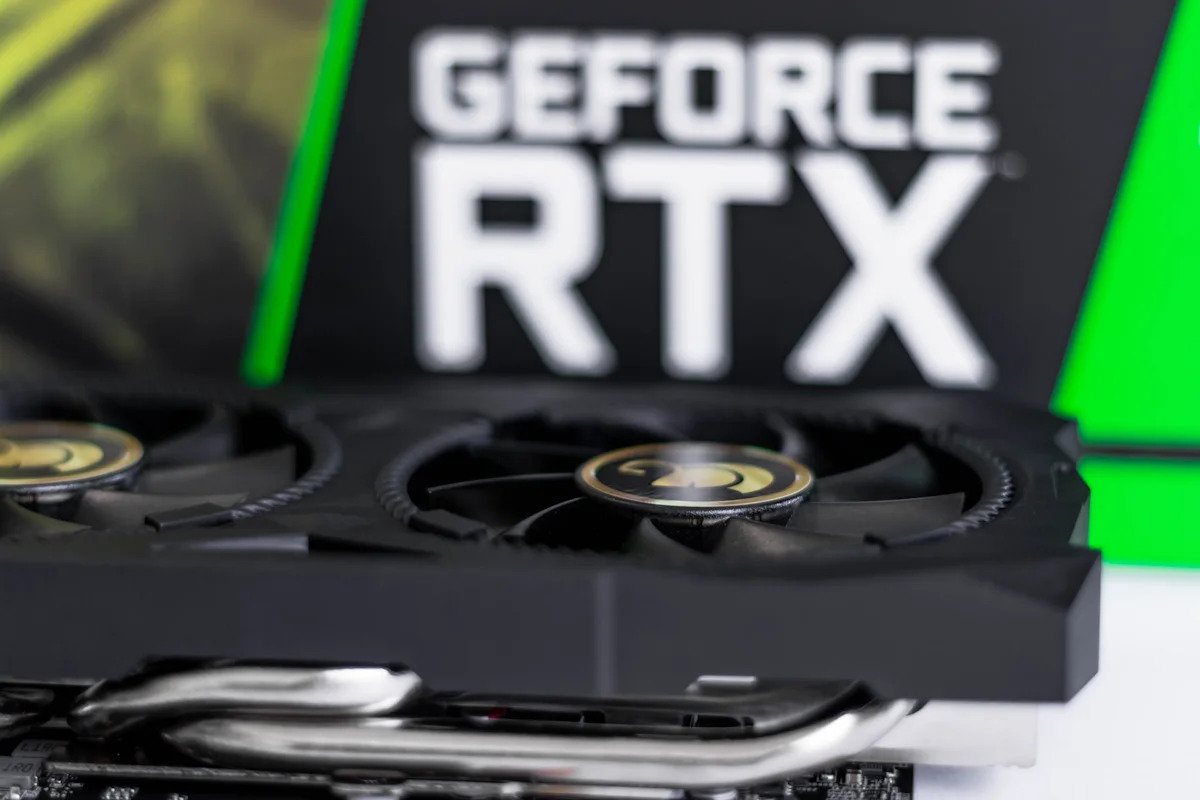
Nvidia introduced the Vera Rubin platform on June 22 to accelerate scientific computing, AI research, and data-intensive work by combining its CPUs, GPUs, and networking into a unified stack. Los Alamos National Laboratory will deploy the platform in new supercomputers, extending Nvidia's presence in critical research infrastructure and agentic AI applications.
Summaries like this, in your inbox every morning.
Sign up free →What happened
On June 22, Nvidia launched the Vera Rubin platform, which combines native double-precision performance, Nvidia CUDA-X libraries, and the full-stack capabilities of the Nvidia AI platform. Supercomputers at Los Alamos National Laboratory will use Nvidia Vera CPUs, Rubin GPUs, and Quantum-X800 InfiniBand networking in an HPE Cray Supercomputing GX5000 architecture.
Why it matters
The Vera Rubin platform is designed to accelerate AI, simulation, and data-intensive research, transforming each system rack into a supercomputer for scientific discovery and unlocking agentic AI (AI that makes decisions and works autonomously) for science. This positions Nvidia's hardware deeper in the infrastructure that major research institutions rely on.
What to watch
Nvidia also launched Nvidia Halos for Robotics, described as the industry's first full-stack comprehensive safety system for robotics and physical AI, with humanoid robotics company Agility as the first user building safety into robots for factories, warehouses, and logistics operations.
No comments yet. Be the first to share your thoughts!
Log in to join the discussion




Get curated AI news from 200+ sources delivered daily to your inbox. Free to use.
Get Started FreeFree · takes 30 seconds · unsubscribe anytime
5 minutes a day. The AI essentials.
200+ sources · Email / LINE / Slack
