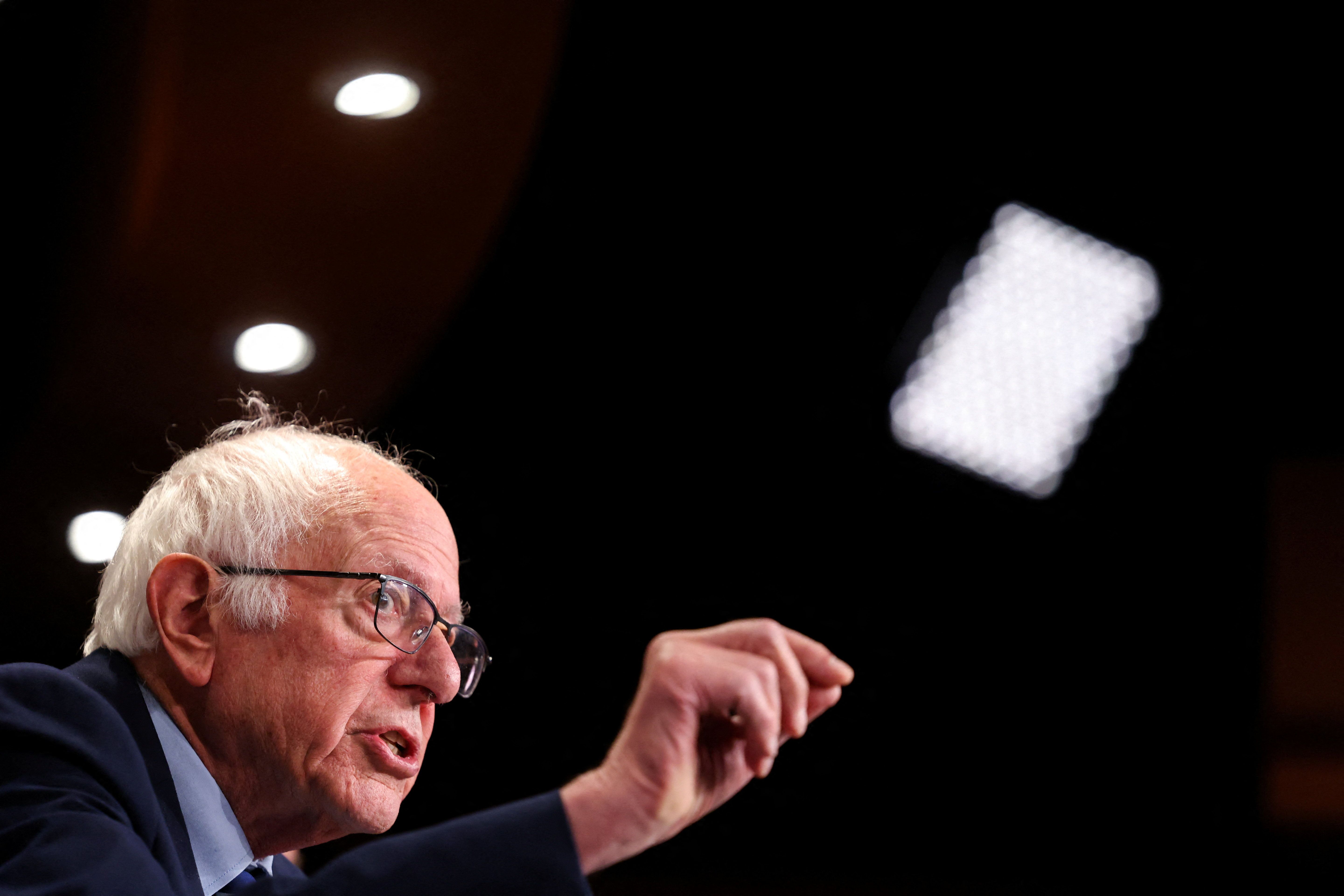
U.S. policymakers are divided on AI's long-term job impact. Gina Raimondo, heading a $500 million(約800億円) workforce initiative, predicts AI will create more jobs and boost productivity over time, following the pattern of past technologies. Senator Bernie Sanders argues that serious concerns about "many millions" of job losses should not be dismissed, pointing to ongoing automation in manufacturing and warehouses as evidence of near-term displacement.
Summaries like this, in your inbox every morning.
Sign up free →What happened
Gina Raimondo, who leads a $500 million(約800億円) US workforce preparation effort, predicted AI will ultimately create more jobs; Senator Bernie Sanders countered that warnings of "many millions" of job losses over the next decade deserve serious attention, citing factory automation and warehouse robotics.
Why it matters
The two positions reflect a deep divide in how policymakers view AI's economic impact. Raimondo expects productivity gains and wage growth (as seen with past general-purpose technologies), but acknowledges uncertainty about timing and which workers will be displaced. Sanders flags that even if new jobs emerge eventually, the transition period poses real risks to workers in manufacturing and logistics.
What to watch
Raimondo emphasized her focus on managing the transition and protecting workers who face displacement, even if she is ultimately correct that AI creates net jobs—signaling that the debate has shifted from whether disruption will occur to how to cushion it.
The disagreement between Raimondo and Sanders reflects a broader tension in AI policy: whether to focus on the long-term promise of productivity and new jobs or the near-term reality of worker displacement. Raimondo's optimism is rooted in historical precedent—she notes that "every general purpose technology increases productivity, increases jobs, increases job growth, increases wages"—yet she openly acknowledges uncertainty about timing, which industries will benefit, and which jobs will emerge. This uncertainty is crucial: both speakers agree that disruption is happening now (Sanders points to real-world factory and warehouse automation), but they differ on whether the eventual outcome will offset the losses.
Raimondo's $500 million(約800億円) workforce preparation effort signals that even optimists about AI's long-term impact accept that transition support is necessary. Her emphasis on protecting "winners and losers" during the shift suggests that policymakers across the spectrum now view workforce adaptation as a given, regardless of whether AI ultimately creates or destroys more jobs overall. Sanders' framing—that "nobody really knows" but "some pretty smart people" worry about "many, many millions" of job losses—underscores that high-level uncertainty persists, making the immediate challenge of managing transitions the most urgent policy priority.
No discussion yet for this article
Get curated AI news from 200+ sources delivered daily to your inbox. Free to use.
Get Started FreeFree · takes 30 seconds · unsubscribe anytime
1 minute a day. The AI essentials.
200+ sources · Email / LINE / Slack
