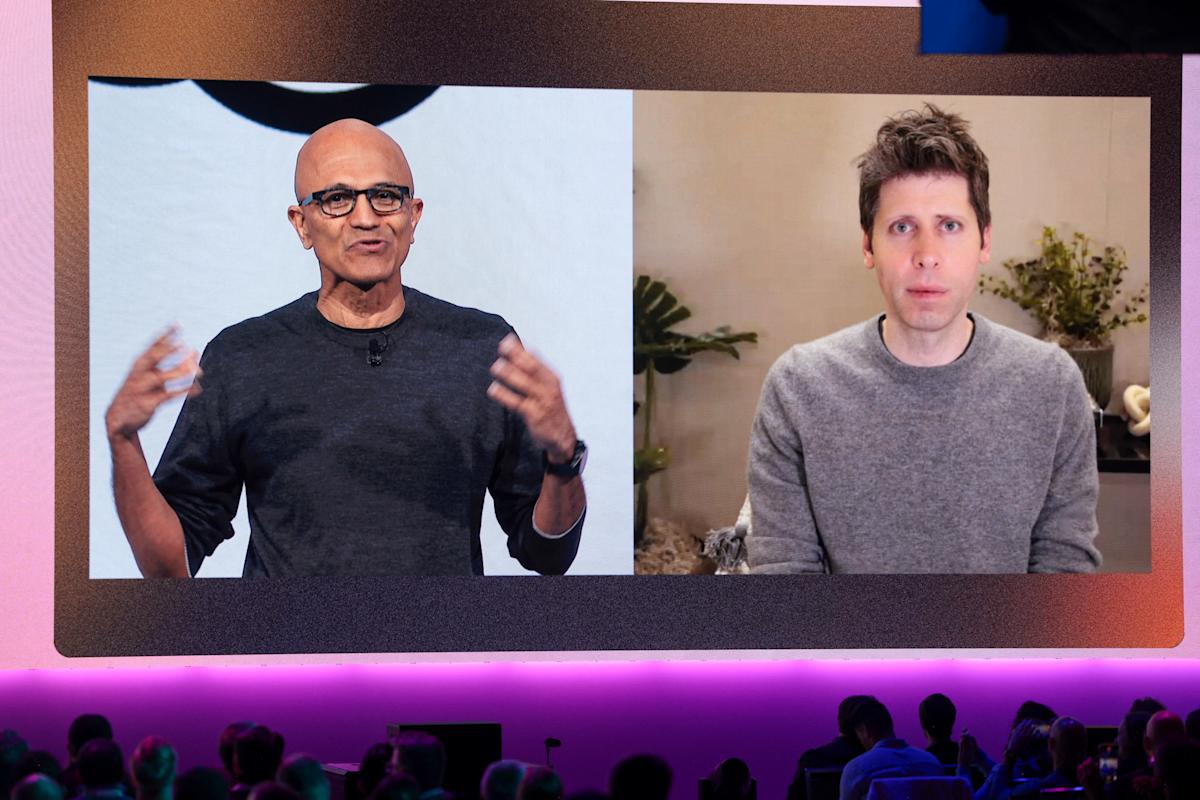
Microsoft introduced MAI-Thinking-1, a midsize AI model intended for high-efficiency, low-token-cost situations. Microsoft claimed the model matches Anthropic's Claude Opus 4.6 on the SWE-Bench Pro coding benchmark, and independent testers preferred it to Anthropic's Sonnet 4.6.
The move is part of Microsoft's shift toward a model-agnostic approach that lets users select which AI models to use, including options from Anthropic. This reflects Microsoft's effort to decrease dependence on OpenAI's technology for its Copilot offerings.
Microsoft has poured roughly $13 billion into OpenAI over the years. However, the relationship has deteriorated: Microsoft lost its status as OpenAI's exclusive cloud provider in January 2025, lost its right of first refusal in October, and in April lost exclusive access to OpenAI's intellectual property, though it no longer has to make revenue-sharing payments.
Summaries like this, in your inbox every morning.
Pick your industry and the AI tools you use, and get news related to your work every day.
Free · 30 seconds with Google · unsubscribe anytimeWhat is AIToday? →
Ask AI anything about this article. The AI reads this article, earlier AIToday articles, and Wikipedia, and cites its sources. Q&As are published on this page for other readers too.
The author projects that $3,000 split into five Nvidia, three Broadcom and two TSMC shares could be worth over…

Meta stock has risen 33% in the past month, with shares up about 15% heading into Meta Connect, where the comp…
Analog Devices Inc. released a whitepaper on the race to physical AI, arguing that success requires advances a…

A solo Amazon reseller uses Claude's scheduled tasks to run shipping requests, shipment notices, inventory syn…

The dialogue split work into verifiable tasks and judgment tasks, per Andrew Ng, and argued every job contains…
Meta removed a clause from its updated commercial terms that legal experts told Nieman Lab could let it scrape…