
Hedge funds and mutual funds both bought AI infrastructure stocks in Q2 2026, including Bloom Energy, Flex, and Seagate Technology.
Yet they diverged sharply on mega-cap AI: hedge funds bought Microsoft and Amazon.com; mutual funds sold both.
Mutual funds remain underweight AI infrastructure despite rising exposure.
What happened
During Q2 2026, hedge funds and mutual funds both added shares in Bloom Energy, Flex, and Seagate Technology, and together bought 12 AI infrastructure stocks including American Electric Power, CoreWeave, and Talen Energy. However, they split on mega-cap names: hedge funds bought Microsoft and Amazon.com while mutual funds sold both; mutual funds bought Advanced Micro Devices, Micron Technology, and SanDisk while hedge funds sold all three.
Why it matters
Hedge funds remain more exposed to the AI trade than mutual funds overall, but mutual fund exposure to AI infrastructure stocks has risen sharply this year while still falling short of benchmark weights, leaving them significantly underweight in the sector. Hedge fund returns have tracked closely with swings in the AI trade in recent months, making their positioning shifts a market indicator.
What to watch
Goldman Sachs' analysis covered 991 hedge funds with $5.4 trillion in gross equity positions and 504 large-cap active mutual funds with $4.6 trillion in equity assets as of Q3 2026's start. Both groups also increased financials exposure to multi-year highs, with hedge funds raising their net tilt by more than 300 basis points.
Ask the AI about this article →
Goldman Sachs' analysis of positioning across 991 hedge funds holding $5.4 trillion of gross equity positions and 504 large-cap active mutual funds holding $4.6 trillion in equity assets reveals a market bifurcation in Q2 2026. While both investor groups converged on smaller AI infrastructure plays—adding to Bloom Energy, Flex, Seagate Technology, and a dozen other infrastructure names—they split decisively on the mega-cap AI stocks that have driven recent market moves. Hedge funds' net tilt toward mega-cap AI appears selective: they sold most of the group while buying only Microsoft and Amazon.com, whereas mutual funds, conversely, sold those same two stocks. The body notes that hedge fund returns have tracked closely with swings in the AI trade, suggesting their positioning shifts signal confidence or caution in the sector's direction.
Meanwhile, mutual funds have increased their allocation to AI infrastructure stocks sharply but remain underweight the sector relative to benchmark weights, potentially signaling either caution or a transition still underway. Both groups also broadened their exposure beyond AI: they increased financials sector tilts to multi-year highs, with hedge funds raising their net tilt by more than 300 basis points to the largest position in the sector since before the 2008 financial crisis, and mutual funds hitting their largest financials overweight since at least 2012.
AI-summarized, only the topics you pick — one digest a day via Email, Slack, or Discord.
Free · takes 30 seconds · unsubscribe anytime
Ask AI anything about this article. Q&As are published on this page for other readers too.
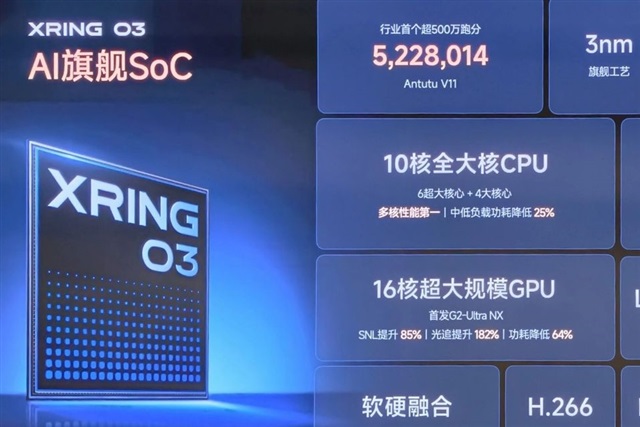
Xiaomi is expanding its in-house semiconductor push from smartphones into AI acceleration and autonomous drivi…
Nvidia is reportedly planning a major price increase for its AI chips, and Microsoft, Google, and Oracle—which…

SanDisk, Micron, and Western Digital remain cheaply valued, according to a market analysis, even as concerns p…

Google and NextEra have announced plans to launch an AI-powered grid by 2026

IBM's stock is rebounding from a historic selloff, with retail investors buying the dip

Tempus AI shares have rallied sharply following positive Phase 3 results from a Moderna-Merck cancer vaccine t…