Stanley Druckenmiller's Duquesne Family Office exited five semiconductor and photonics stocks (Micron, Intel, Broadcom, Lattice Semiconductor, Coherent) in the second quarter while more than 1,000% increasing its Amazon position and initiating a new Alphabet stake.
Both companies are major funders of AI infrastructure with their own chip designs, unlike the suppliers he sold.
The portfolio's total holdings grew from about $3.4 billion to $5.2 billion, and the trade pattern suggests he believes the most durable AI gains belong to the companies bankrolling the build-out rather than the component makers competing to supply them.
What happened
Stanley Druckenmiller's Duquesne Family Office sold five semiconductor and photonics companies—Micron Technology, Intel, Broadcom, Lattice Semiconductor, and Coherent—between March and June. In the same quarter, it more than 1,000% increased its Amazon stake to 541,600 shares (about $129 million) and added a new Alphabet position of 336,300 Class A shares (about $120 million), while also adding to Taiwan Semiconductor Manufacturing and opening new positions in Advanced Micro Devices and Lam Research.
Why it matters
The trades reflect a shift toward companies that fund AI infrastructure build-out rather than suppliers competing for contracts. Amazon and Alphabet together plan to spend more than $400 billion this year on capital expenditures, much of it for AI, and both design their own chips—Amazon's in-house chip business has passed a $25 billion annual revenue run rate, and Alphabet's cloud unit sells systems built on its own TPU chips. Component suppliers must win a spot in every product cycle, whereas companies placing the orders do not, suggesting Druckenmiller believes the durable gains lie with the buyers, not the sellers.
What to watch
The portfolio filing is a snapshot as of June 30; the document does not reveal when trades occurred or what positions have changed since. Druckenmiller's activity level means he may have moved on from some positions already, so monitor future filings for confirmation of whether this shift persists.
Ask the AI about this article →
The filing reveals a deliberate pivot from semiconductor suppliers to the companies that buy chips for AI infrastructure. Druckenmiller's exits of Micron, Intel, Broadcom, Lattice Semiconductor, and Coherent—all component or equipment makers—contrast sharply with his simultaneous buildup in Amazon and Alphabet, the world's two largest technology buyers. The pattern becomes clearer when examining the companies he retained: Taiwan Semiconductor Manufacturing and STMicroelectronics, both foundational to the AI supply chain, received additional investment, while newer positions in Advanced Micro Devices and Lam Research also sit closer to the center of the build-out. The common thread is proximity to the AI infrastructure race. Amazon's cloud computing revenue accelerated to 37% year-over-year growth in the second quarter (its fastest rate in 18 quarters), and the company lifted its annual capital spending to about $220 billion. Alphabet similarly doubled its quarterly capital expenditure to $44.9 billion and raised its full-year plan to between $195 billion and $205 billion. Both companies increasingly design critical chips themselves—Amazon's in-house chip business has surpassed a $25 billion annual revenue run rate, while Alphabet's cloud unit deploys systems built on its own TPU chips. This vertical integration may signal that Druckenmiller sees a structural advantage: companies that place orders write checks for every product cycle and can choose suppliers, whereas component makers must compete for placement in each generation.
For example, today's edition would include:
AI-summarized, only the topics you pick — one digest a day via Email, Slack, or Discord.
Free · takes 30 seconds · unsubscribe anytimeWhat is AIToday? →
Ask AI anything about this article. Q&As are published on this page for other readers too.
Visko raised $10 million in pre-seed funding from Llama Ventures and opened public access to its first foundat…

U.S. markets ended August higher, with the S&P 500 up 2.6% and the Nasdaq up 3.9%

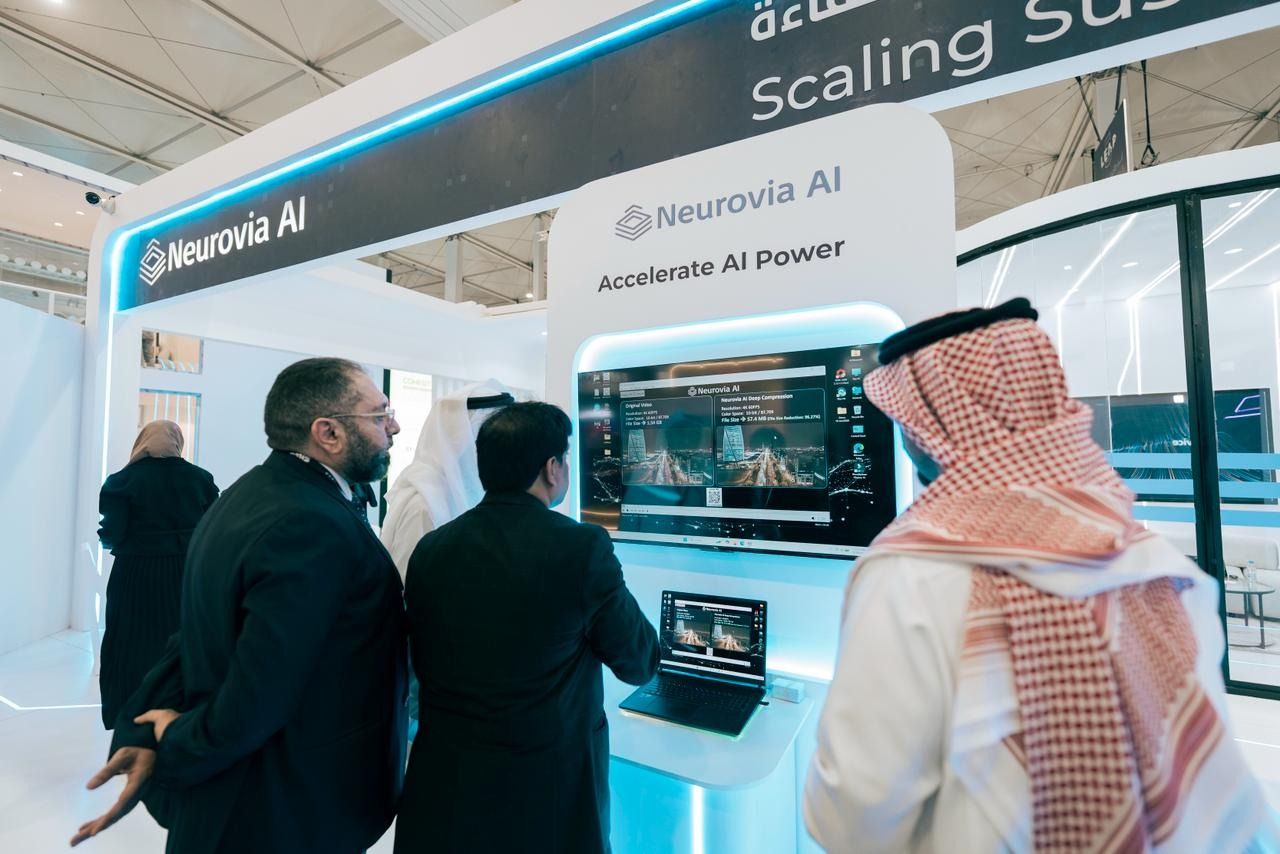
Neurovia AI, an Abu Dhabi-based company, is pitching Saudi security agencies software that it says can compres…
AI company Runway has unveiled Solaris, the first model in a new category it calls "Interface World Models." I…

John Deere introduced JD, a conversational AI tool that lets farmers ask open-ended questions about their hist…

Nvidia CEO Jensen Huang said on Fox Business that AI is creating 'hundreds of thousands' of jobs, including in…