
What happened
Palantir CEO Alex Karp criticized frontier AI labs on CNBC, claiming enterprises are getting no value from tokens purchased from OpenAI and Anthropic, and risking transfer of their business IP to these vendors. Karp also suggested AI companies should charge a percentage of value delivered rather than per token.
Why it matters
Most large enterprises that are not themselves technology companies have little realistic risk of IP theft, since OpenAI and Anthropic do not use customer prompts, outputs, or data to train future models unless customers opt in—and most large businesses access models through secure cloud services like Microsoft Azure or Amazon Bedrock where such data sharing does not occur. However, design partners and early-access customers do face more exposure, and at least one documented case exists: Anthropic built a Claude for Design tool while collaborating with Figma, leading Figma to discover the product competed more directly with Figma's own features than Anthropic had disclosed, and Figma's CEO stated Anthropic was "not consistently candid" about the scope.
What to watch
Karp's own pricing model—charging a percentage of value derived—reflects Palantir's business approach and is self-serving, since software has traditionally been priced per unit (electricity by kilowatt-hour, Microsoft Word by subscription, not by deal value). His argument that frontier labs pose an IP theft risk contradicts his own suggestion that AI companies should perform tasks directly for customers, which would expose IP even more.
Summaries like this, in your inbox every morning.
Karp's critique centers on two claims: that enterprises are wasting money on tokens from frontier AI labs and that those labs are stealing competitive secrets. The evidence for the first claim is real—many large companies are indeed concerned about return on investment and token costs, particularly in agentic use cases (AI that makes decisions and completes tasks without human intervention). However, the body notes that some companies are reporting value, particularly in software development and customer service, and that underperformance often reflects inadequate strategic prioritization rather than vendor failure. The second claim—IP theft—is largely unsupported for typical enterprises. OpenAI and Anthropic maintain explicit non-use policies for customer data in model training, and most large non-tech businesses access these models through intermediaries like Microsoft Azure and Amazon Bedrock where deeper data sharing does not occur.
The credible risk applies to a narrower category: design partners and early-access collaborators who grant labs deeper visibility into their workflows. The Figma-Anthropic case is a genuine example: Anthropic built a design tool while partnering with Figma, and Figma's exit and complaints suggest asymmetric access and insufficient transparency. Other alleged instances mentioned in the body come from venture investors—Jason Calacanis and Chamath Palihapitiya—who have axes to grind, including stakes in Palantir itself.
Karp's proposed alternative—that AI labs should charge based on value delivered rather than tokens consumed—is self-serving (Palantir uses value-based pricing) and economically inconsistent. Software and utilities have long charged per unit of consumption, not per unit of customer outcome, because general-purpose technologies serve too many use cases to price by result. His suggestion also contains an internal contradiction: if IP theft is a genuine concern, shifting to a model where AI companies perform tasks directly for customers would actually expose IP more, not less, since the vendor would need deeper operational access.
Pick your industry and the AI tools you use, and get news related to your work every day.
Free · 30 seconds with Google · unsubscribe anytimeWhat is AIToday? →
Ask AI anything about this article. The AI reads this article, earlier AIToday articles, and Wikipedia, and cites its sources. Q&As are published on this page for other readers too.
In Q2, billionaires or their funds sold six 'Magnificent Seven' AI stocks

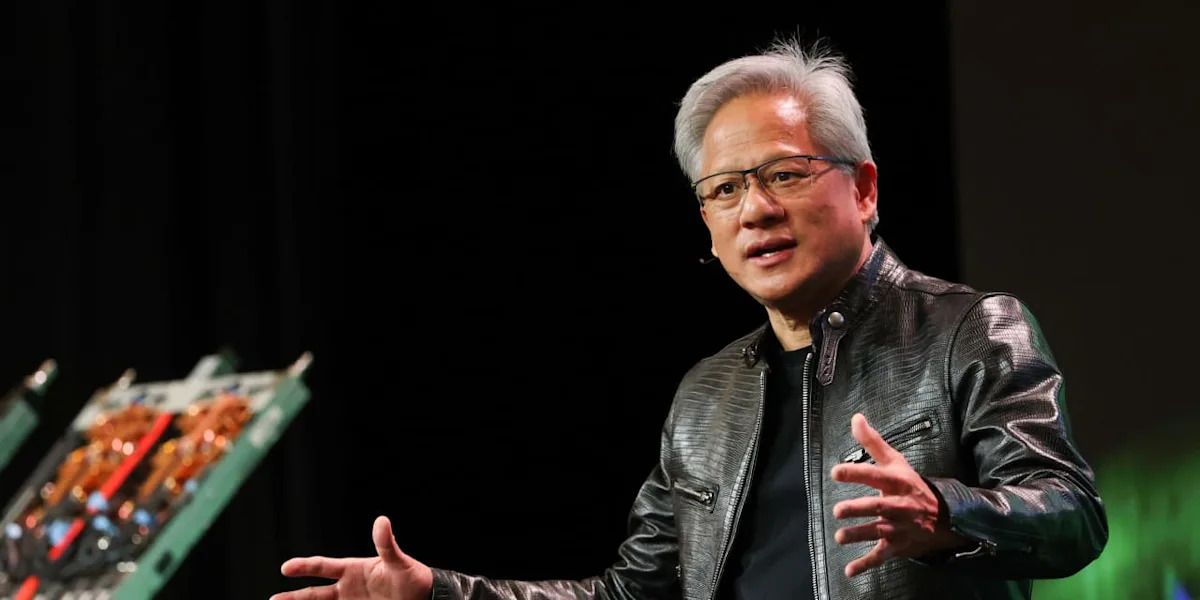
Nvidia was rising early Friday, even as the wider chip sector kept falling, Barron's reported
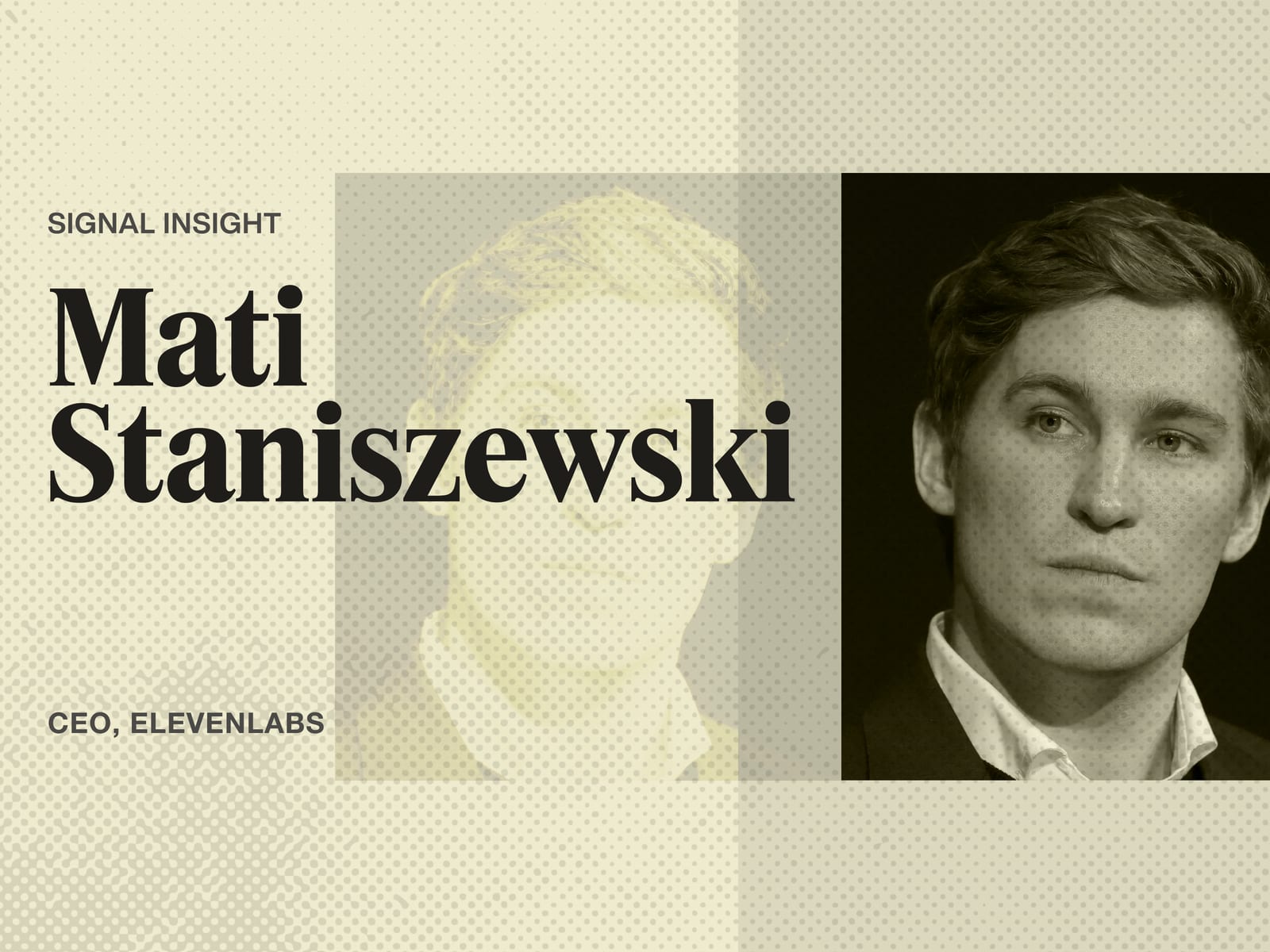
ElevenLabs completed a $300 million employee tender at a $22 billion valuation, and co-founder Mati Staniszews…
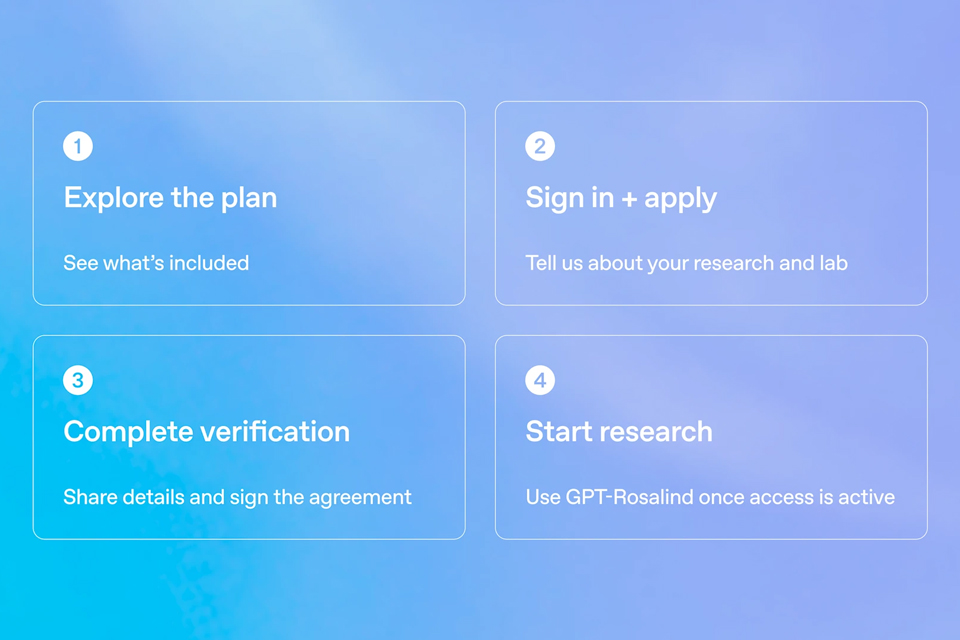
On October 15, OpenAI announced the Rosalind Academic Plan, giving approved US university labs free access to…
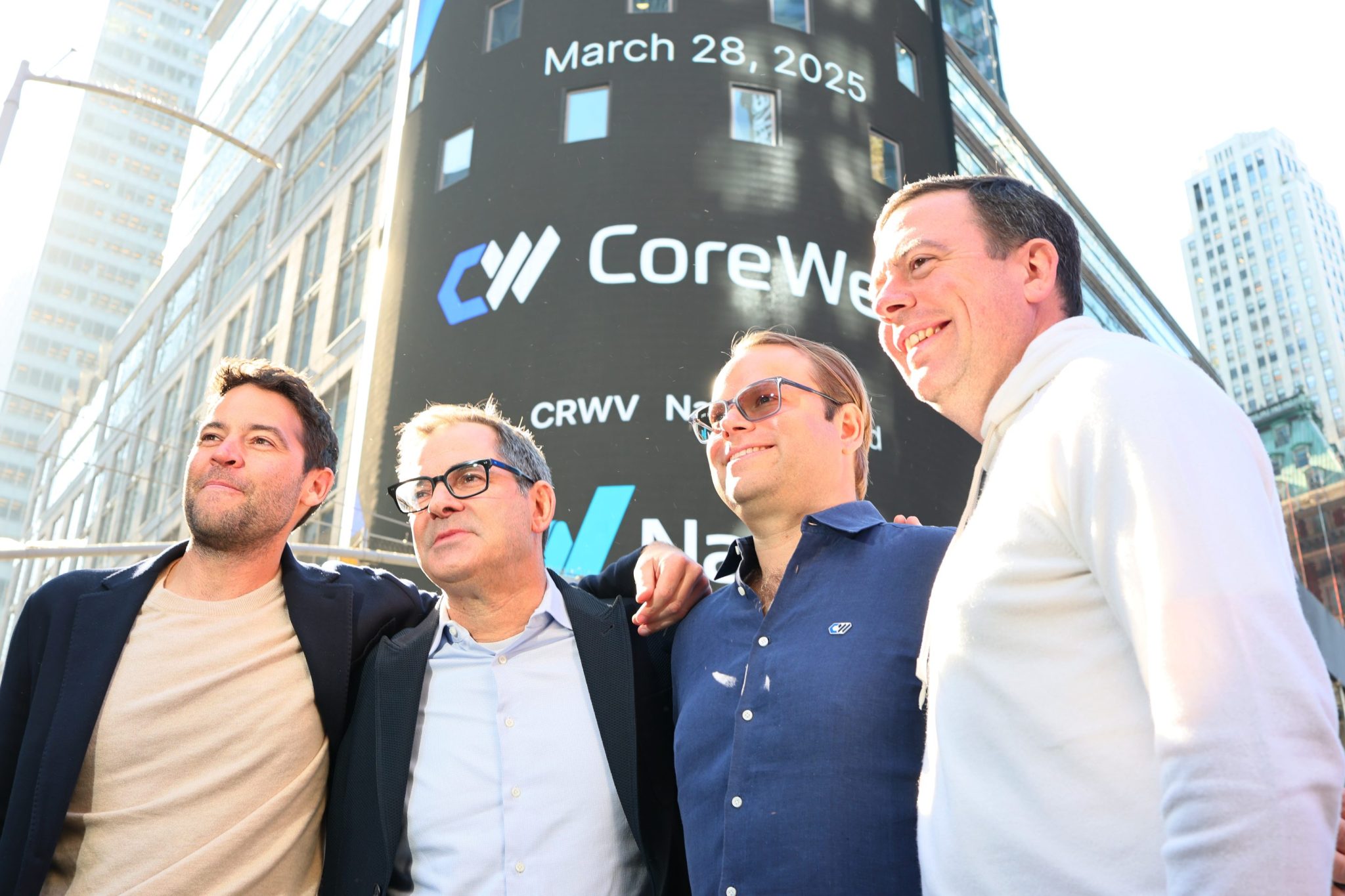
Neostellar Capital principal Evan Schlossman said CoreWeave's $103.7 billion in remaining performance obligati…
Supermicro Computer appointed Mark Long as chief financial officer, bringing an experienced technology finance…