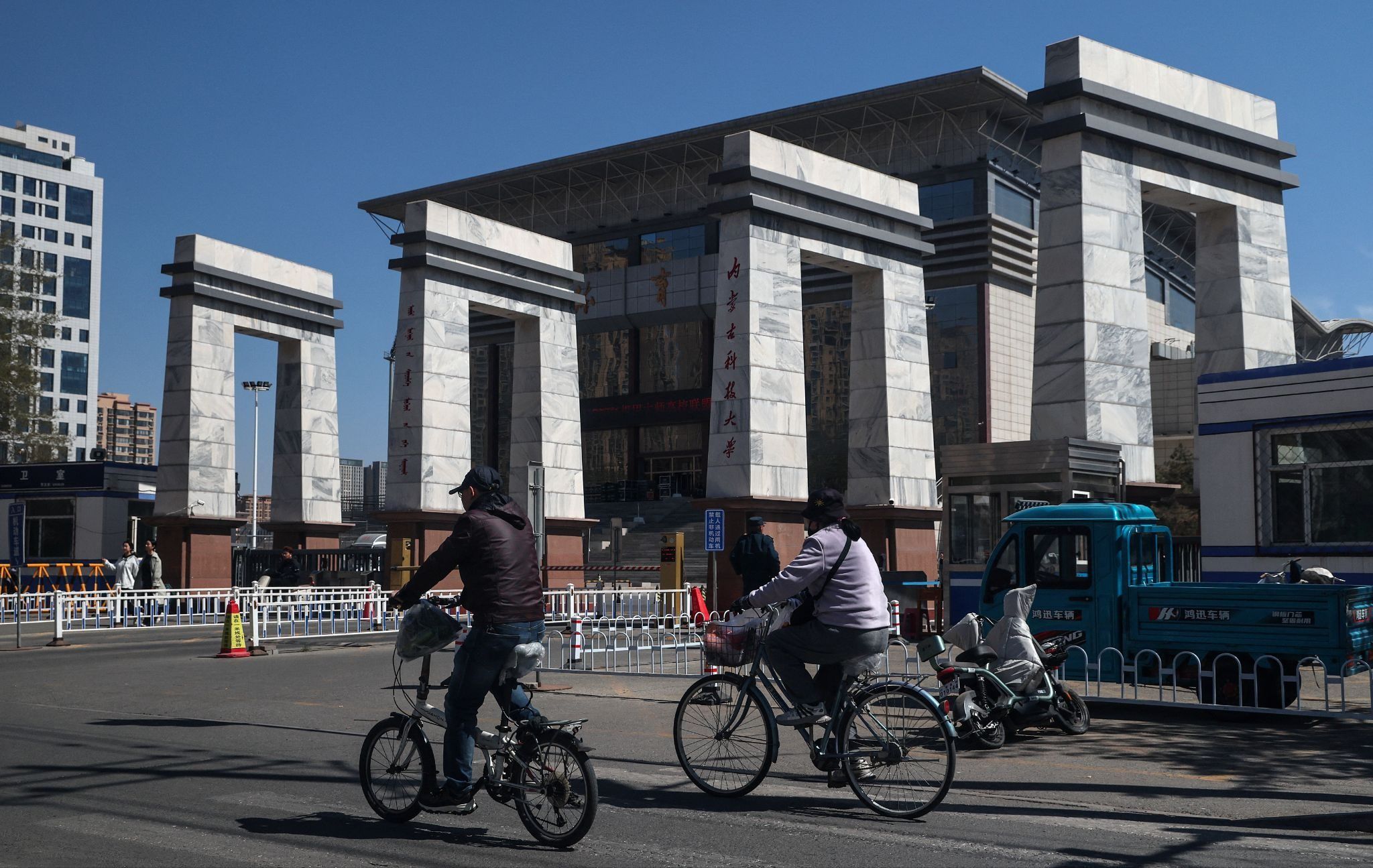
Beijing is overhauling its education system to prepare students for the AI era, announcing plans to integrate AI across all school levels and replacing over 12,000 humanities-focused undergraduate programs with new ones in fields like embodied intelligence. The move demonstrates how China's centralized governance enables rapid systemic change in response to technological shifts, contrasting with slower institutional adaptation in the West and reflecting the obsolescence of the traditional career-for-life model.
Summaries like this, in your inbox every morning.
Sign up free →What happened
Beijing announced plans to integrate AI across all levels of schooling. Universities have revoked or suspended 12,200 undergraduate degree programs, many in the humanities, and introduced 10,200 new ones, such as embodied intelligence.
Why it matters
China's centralized control allows the government to overhaul its education system quickly in response to technological shifts, in contrast to institutional inertia in the West. The move reflects a fundamental shift in career expectations—the traditional model of studying one major and staying in a stable job for life no longer applies.
What to watch
The scale of the curriculum overhaul—12,200 programs suspended and 10,200 new ones introduced—signals how rapidly Beijing is reshaping higher education to align with AI and emerging fields.
No discussion yet for this article
Get curated AI news from 200+ sources delivered daily to your inbox. Free to use.
Get Started FreeFree · takes 30 seconds · unsubscribe anytime
1 minute a day. The AI essentials.
200+ sources · Email / LINE / Slack
