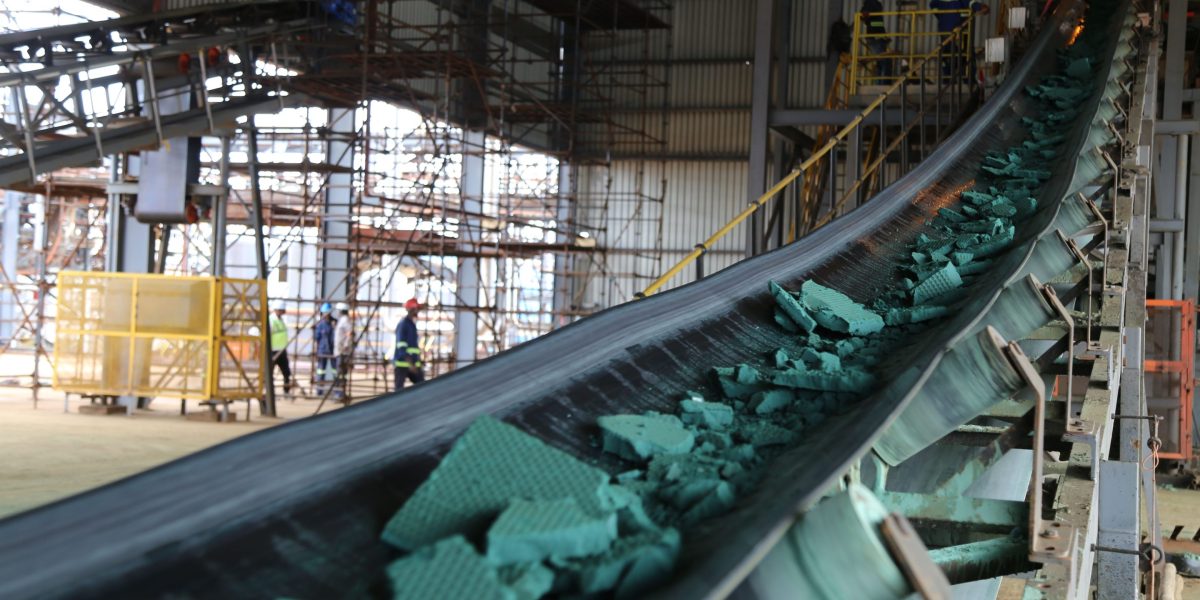
In 2024 alone, global lithium production required an estimated 456 billion liters of water—equivalent to the annual domestic water needs of roughly 62 million people in sub‑Saharan Africa. In Chile's Salar de Atacama, mining activities account for up to 65% of total regional water use, competing with agriculture and ecosystems.
Rare earth mineral production generates up to 2,000 metric tons of waste for every metric ton of usable material. Mining generates toxic wastewater containing heavy metals, acids and radioactive residues; when improperly stored, these chemicals seep into groundwater and waterways. Rivers near cobalt and copper mines in some parts of the world have become so acidic that communities can no longer drink from them.
Communities living near extraction sites report people suffering from skin diseases, gastrointestinal illnesses, reproductive health problems and chronic health conditions associated with long‑term exposure to heavy metals in polluted water and soil. In the Democratic Republic of the Congo, studies document high rates of miscarriages, congenital malformations and infant mortality among populations exposed to cobalt and other metals. In Chile's Antofagasta region, lung cancer rates are nearly three times the national average.
The authors—researchers at the United Nations University Institute for Water, Environment and Health—recommend stronger international governance including binding international rules, enforceable supply chain due-diligence laws, mandatory environmental and human rights standards for mining operations, and investment in less water-intensive mining technologies.
Summaries like this, in your inbox every morning.
Pick your industry and the AI tools you use, and get news related to your work every day.
Free · 30 seconds with Google · unsubscribe anytimeWhat is AIToday? →
Ask AI anything about this article. The AI reads this article, earlier AIToday articles, and Wikipedia, and cites its sources. Q&As are published on this page for other readers too.

