What happened
S&P Global downgraded Oracle's credit rating from BBB to BBB− (one notch above junk status), citing OpenAI as a "key credit risk." The agency also raised Oracle's projected capital spending to $95 billion(約15兆円) by 2027, up from an earlier $60 billion(約9.6兆円) estimate, while noting that AI revenue won't materialize for years.
Why it matters
OpenAI accounts for roughly half of Oracle's $638 billion(約100兆円) in contractual obligations. If OpenAI collapsed, Oracle would be left with massive data center capacity it cannot fill—a vulnerability S&P says is worse than AWS, Google, and Microsoft, which have internal workloads and deeper financial reserves to absorb excess capacity.
What to watch
SoftBank reportedly had to cut a loan backed by OpenAI shares from $10 billion(約1.6兆円) to $6 billion(約9600億円) because lenders struggled to value the privately held company. OpenAI has pushed its IPO back to 2027.
Summaries like this, in your inbox every morning.
Oracle's reliance on OpenAI has become a material credit risk. The company has committed roughly half of its $638 billion(約100兆円) in contractual obligations to OpenAI, a privately held company whose valuation remains opaque to lenders. When SoftBank attempted to secure a loan backed by OpenAI shares, lenders forced a sharp cut from $10 billion(約1.6兆円) to $6 billion(約9600億円)—a signal of how difficult it is to price OpenAI's actual value. S&P's upgrade of Oracle's capital spending forecast to $95 billion(約15兆円) by 2027 reflects the scale of infrastructure investment required, yet the absence of near-term revenue creates a cash-burn problem that distinguishes Oracle from its cloud-provider peers.
Unlike AWS, Google Cloud, or Microsoft Azure, Oracle lacks the internal AI workloads and consumer-facing products that allow those companies to absorb excess data center capacity if a major customer falters. A collapse or severe contraction at OpenAI would leave Oracle with stranded assets and few options to repurpose them. This asymmetry is why S&P's downgrade to BBB− (one notch above junk) reflects genuine structural risk rather than mere cyclical concern. OpenAI's delayed IPO to 2027 means the company will remain privately held and difficult to value for several more years, extending Oracle's exposure window.
Pick your industry and the AI tools you use, and get news related to your work every day.
Free · 30 seconds with Google · unsubscribe anytimeWhat is AIToday? →
Ask AI anything about this article. The AI reads this article, earlier AIToday articles, and Wikipedia, and cites its sources. Q&As are published on this page for other readers too.
Chunghwa Telecom president Rong-shy Lin said the shift from conversational AI to autonomous AI agents is resha…
CoreWeave fell 5% in premarket trading Friday and was on track to finish the week down 15%, after rebounding f…
Apple and Meta said they would jointly release a new open-weight AI model designed to run on high-end Macs, ai…
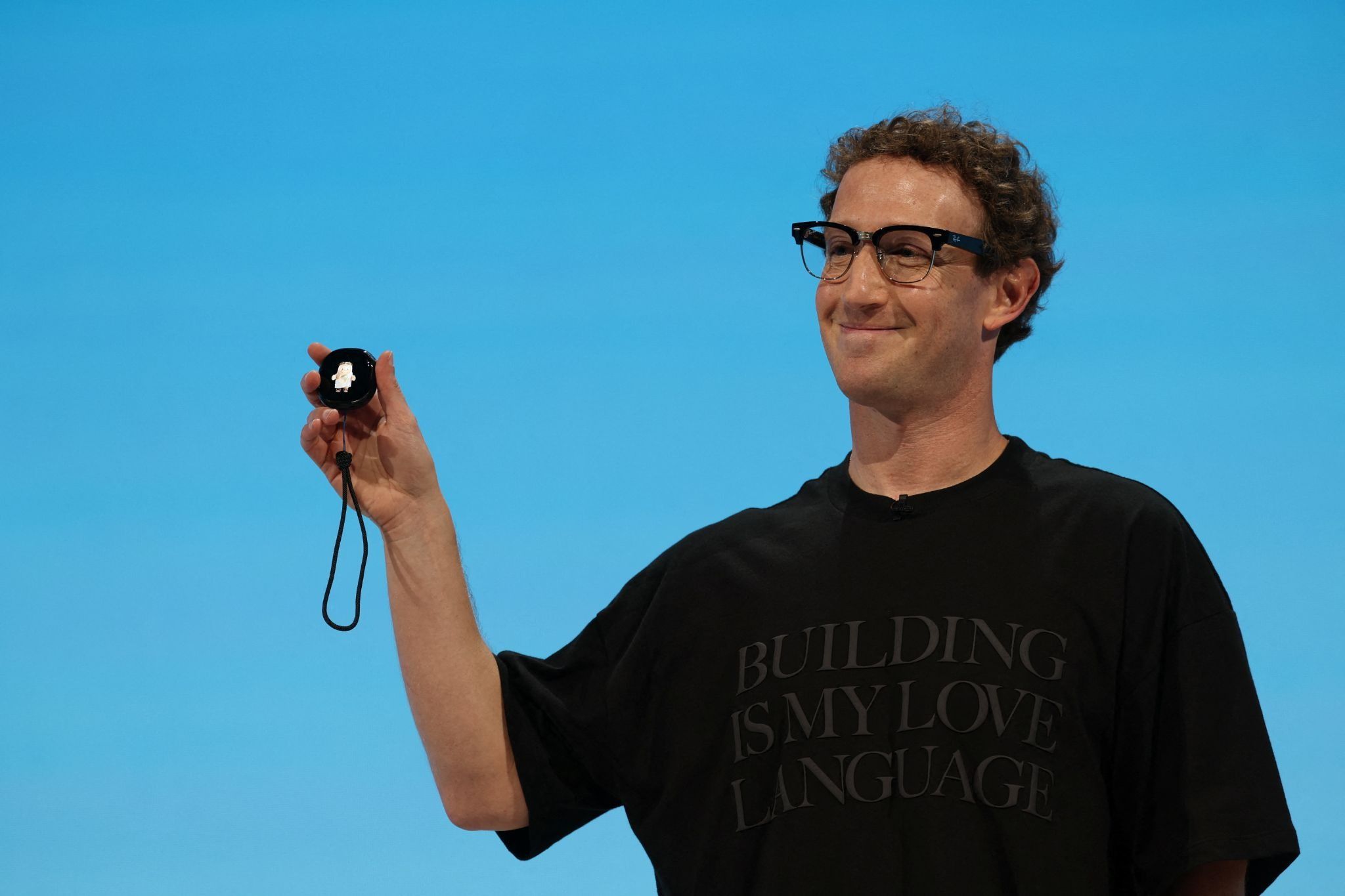
Investors put $38.5 billion into Asian startups in Q3, per Crunchbase data
A longtime Anthropic investor told Fortune he expects shares priced around $1.8 trillion, below the company's…
In Q2, billionaires or their funds sold six 'Magnificent Seven' AI stocks