AI data centers are becoming one of the world's fastest-growing sources of electricity demand as generative AI adoption accelerates, but unlike conventional data centers, they draw power unpredictably because of intensive GPU workloads. This variable consumption creates new operational challenges for power grids and demands higher reliability from on-site backup power systems.
Summaries like this, in your inbox every morning.
Sign up free →What happened
As generative AI adoption accelerates, AI data centers are becoming one of the fastest-growing sources of electricity demand worldwide. Unlike conventional data centers, they exhibit highly variable power consumption driven by intensive GPU workloads.
Why it matters
The unpredictable power draw from AI facilities creates new challenges for grid operators managing electricity supply. It also raises reliability demands on the on-site power systems that back up these data centers—a problem traditional data centers do not present to the same degree.
What to watch
Grid operators and facility planners will need to adapt infrastructure to handle the dynamic load profile of AI workloads, as the sector continues to be one of the fastest-growing sources of electricity demand.
As generative AI adoption accelerates worldwide, AI data centers have emerged as one of the fastest-growing sources of electricity demand. This explosive growth is driven by the computational requirements of large language models and other AI systems, which depend on arrays of graphics processing units (GPUs) to run inference and training workloads. However, the power consumption profile of AI facilities differs sharply from that of conventional data centers, creating novel challenges for both the electricity grid and the facilities themselves.
Unlike traditional data centers, which typically operate at relatively constant power levels, AI data centers exhibit highly variable power consumption. This variability is a direct consequence of GPU workloads. The computational load on GPUs fluctuates depending on user demand—the number and complexity of AI queries being processed at any given moment. When many users submit complex requests simultaneously, power draw spikes; during quiet periods, it drops. This dynamic behavior creates operational complexity for grid operators, who must balance electricity supply and demand in real time and cannot rely on the predictable load profiles they have traditionally used for planning and forecasting.
The unpredictable nature of AI data center power draw also places new demands on on-site power systems. These facilities require high-reliability backup power—generators, battery systems, and other equipment that ensure continuous operation during grid disturbances or outages. Conventional data centers, while requiring robust on-site power, benefit from relatively stable demand patterns that are easier to protect. AI facilities must now maintain power systems capable of handling rapid, dramatic swings in load, a more stringent requirement that raises both engineering and cost barriers.
Generative AI's rapid adoption is reshaping global energy infrastructure. The article identifies AI data centers as among the world's fastest-growing sources of electricity demand, a trend driven by the computational intensity of large language models and similar AI systems. However, the power profile of these facilities differs fundamentally from traditional data centers. Conventional data centers typically run at relatively steady load levels, allowing grid operators to forecast demand and allocate power predictably. AI facilities, by contrast, exhibit highly variable consumption because GPU workloads—the computational engine behind generative AI—fluctuate dynamically depending on the inference requests being processed and the complexity of the tasks performed.
This variability creates a two-tier challenge. First, it imposes new operational demands on grid operators who must now accommodate unpredictable surges and drops in demand from a major electricity consumer. Second, it raises the bar for on-site power systems—backup generators, uninterruptible power supplies (UPS), and other reliability infrastructure that protect data center operations during grid disturbances. A conventional data center may tolerate brief power quality variations that an AI facility cannot, because GPU-intensive workloads are sensitive to interruptions and power instability.
AI-summarized, only the topics you pick — one digest a day via Email, Slack, or Discord.
Free · takes 30 seconds · unsubscribe anytime
No comments yet. Be the first to share your thoughts!
Log in to join the discussion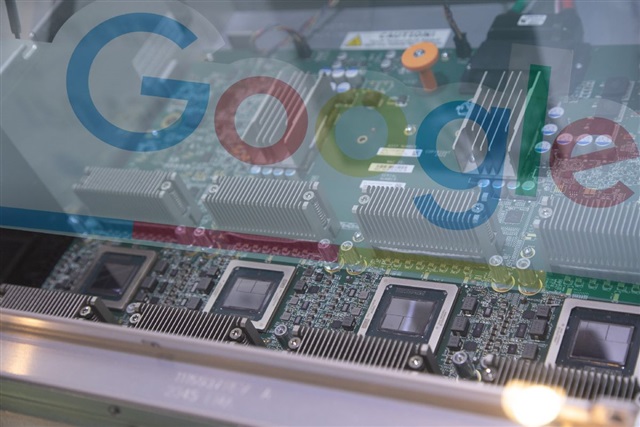


Get curated AI news from 200+ sources delivered daily to your inbox. Free to use.
Get Started FreeFree · takes 30 seconds · unsubscribe anytime
